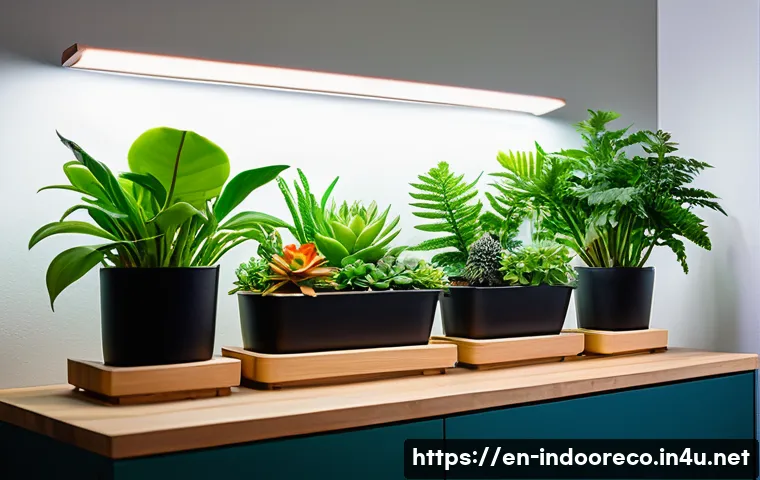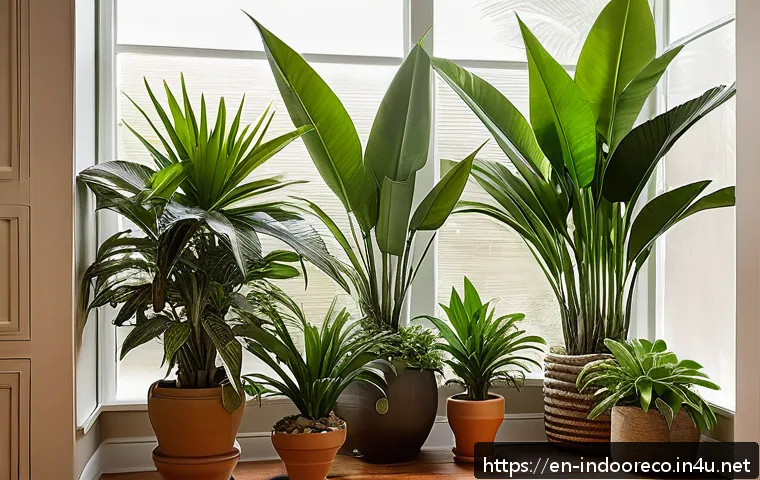
Lately, more people are seeking ways to reconnect with nature without stepping outside, especially as urban living becomes the norm. Creating a natural indoor ecosystem not only refreshes your living space but also boosts mood and air quality, making your home a true sanctuary.
If you’ve ever wondered how to bring the calming effects of nature indoors, you’re in the right place. In this guide, I’ll share practical tips and insights from personal experience to help you transform your home into a vibrant, green retreat.
Let’s dive into how tiny ecosystems can make a big impact on your daily life!
Choosing the Right Plants for Your Indoor Oasis
Understanding Light Requirements
When I first started building my indoor green space, I quickly realized that not all plants thrive under the same light conditions. Some species demand bright, direct sunlight, while others prefer shady corners or indirect light.
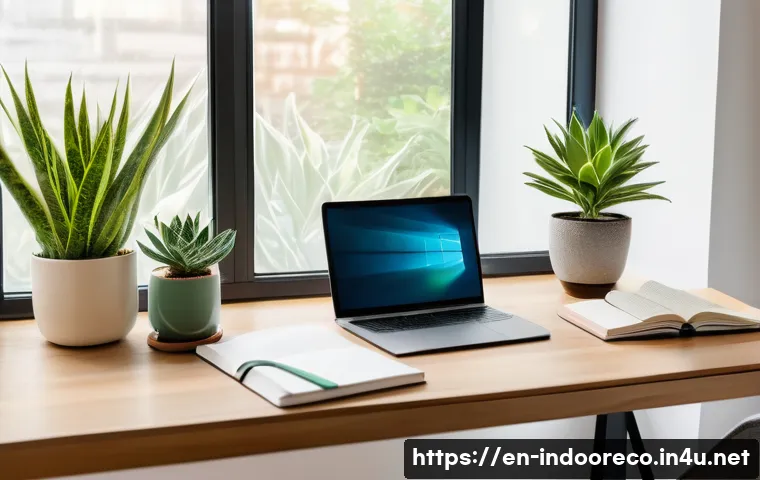
To avoid the disappointment of wilting leaves, it’s essential to assess the natural light your space receives throughout the day. For example, south-facing windows often provide intense light perfect for succulents and cacti, whereas north-facing rooms are better suited for low-light plants like snake plants or pothos.
I found that experimenting with placement and observing how plants respond over a week or two is the best way to find their sweet spot.
Low-Maintenance vs. High-Maintenance Plants
If you’re juggling a busy lifestyle, low-maintenance plants can be a lifesaver. Personally, I started with hardy options such as ZZ plants and spider plants that require minimal watering and tolerate occasional neglect.
However, if you’re eager to engage more deeply, high-maintenance plants like orchids or fiddle leaf figs can be incredibly rewarding but demand consistent care and attention.
Deciding between these two types depends on how hands-on you want to be with your indoor ecosystem. Remember, the goal is to enjoy the process, not to stress over it.
Incorporating Air-Purifying Varieties
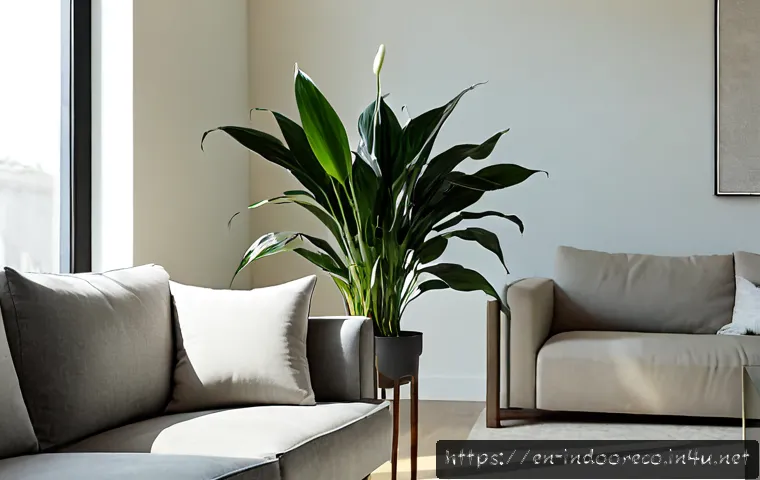
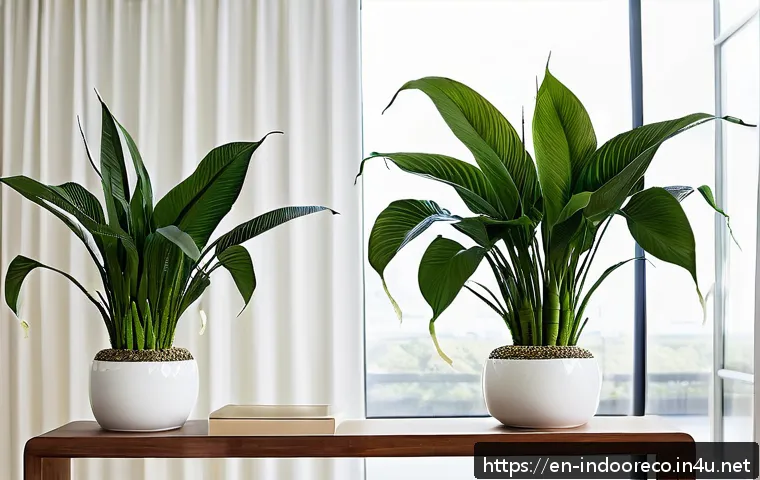
One of the biggest perks I noticed after adding certain plants indoors was a noticeable improvement in air quality. Plants like peace lilies, Boston ferns, and rubber plants are known for their ability to filter toxins and boost oxygen levels.
Beyond aesthetics, these varieties contribute to a healthier living environment, especially in urban apartments where pollution and indoor allergens tend to build up.
Including at least a few air-purifying plants can make your indoor ecosystem both beautiful and functional.
Designing a Balanced Indoor Habitat
Layering Plants for Visual Interest
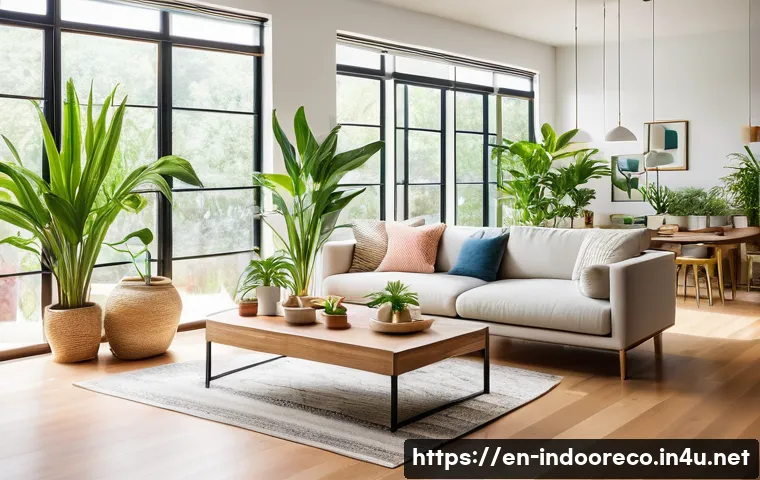
Creating an engaging indoor ecosystem isn’t just about scattering pots around; it’s about layering different plant heights and textures to mimic natural settings.
I like to arrange taller plants like dracaenas or palms near the back or corners, medium-sized plants in the middle, and smaller succulents or herbs upfront.
This layering not only adds depth but also allows each plant to get the light it needs without overcrowding. Over time, you’ll find this approach makes your green space feel more alive and immersive.
Integrating Natural Elements Beyond Plants
To truly evoke nature indoors, I recommend adding other natural components like stones, driftwood, or moss. These elements introduce texture and variety, enriching the overall vibe.
For instance, placing smooth river rocks around a succulent pot or incorporating a small water feature can enhance tranquility and create a more dynamic environment.
These subtle touches go a long way in breaking the monotony and making your setup feel thoughtfully curated.
Creating Microclimates Within Your Home
Interestingly, different corners of your home can develop unique microclimates based on humidity, temperature, and airflow. I noticed that my bathroom with a window became a mini jungle for tropical plants due to higher humidity, while my living room stayed drier, favoring desert plants.
Recognizing these microclimates helps in positioning plants where they’ll thrive naturally, reducing the need for artificial adjustments like humidifiers or extra lighting.
Watering and Soil Care Tips for Thriving Plants
Establishing a Consistent Watering Routine
One of the trickiest parts of indoor gardening is finding the right balance with watering. Overwatering is a common pitfall that I encountered early on, leading to root rot and unhappy plants.
A good rule I follow now is to check soil moisture with my finger before watering; if the top inch feels dry, it’s time to hydrate. Some plants prefer their soil to dry out completely between waterings, while others need consistent moisture.
Setting reminders or using self-watering pots can also help maintain a steady routine without guesswork.
Choosing the Best Soil Mixes
Not all soils are created equal, and the right mix depends heavily on your plant selection. Succulents and cacti thrive in fast-draining sandy soil, whereas tropical plants prefer richer, moisture-retentive blends.
I’ve experimented with mixing potting soil with perlite or orchid bark to improve aeration and drainage, which made a huge difference in plant health.
Using the right soil composition ensures roots can breathe and absorb nutrients efficiently, which is crucial for long-term growth.
Fertilizing Without Overdoing It
While feeding plants can boost their growth and vibrancy, I’ve learned that less is often more. Over-fertilizing can burn roots or cause excessive foliage growth at the expense of flowers.
I typically fertilize during the growing season—spring and summer—with a balanced, diluted liquid fertilizer every few weeks. In fall and winter, I cut back or pause feeding altogether, allowing plants to rest.
Tracking your fertilizing schedule helps prevent accidental overfeeding and keeps your ecosystem balanced.
Using Terrariums and Closed Ecosystems
Setting Up a Basic Terrarium
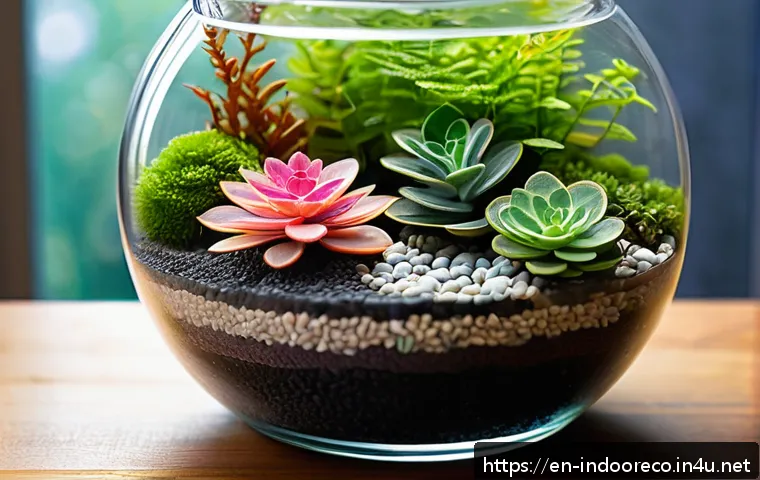
Terrariums are fantastic for bringing a miniature natural world indoors, especially if you’re short on space. My first attempt involved layering gravel, activated charcoal, potting soil, and a few small ferns inside a glass container.
The enclosed environment creates humidity and reduces watering needs, making it a low-maintenance option. Sealing the terrarium or leaving it slightly open depends on the plants inside and the moisture levels you want to maintain.
Watching this tiny ecosystem evolve over weeks is incredibly satisfying.
Maintaining a Closed Ecosystem
A closed ecosystem, like a sealed terrarium, is almost self-sustaining if balanced correctly. However, I found it’s important to monitor humidity and condensation regularly.
Too much moisture can encourage mold growth, while too little dries plants out. Occasionally airing out the terrarium or wiping condensation off the glass keeps things healthy.
Adding small insects like springtails can also help manage decomposition and keep the soil aerated naturally.
Choosing Plants Suited for Enclosed Spaces
Not every plant thrives in a terrarium setting. Plants that enjoy humidity and stable conditions, such as mosses, ferns, and fittonias, are ideal. I avoid succulents or cacti in closed terrariums because they prefer drier environments and can rot easily in constant moisture.
Selecting the right plants for your terrarium ensures longevity and reduces the need for constant intervention.
Benefits of Indoor Green Spaces for Mental and Physical Health
Stress Reduction and Mood Enhancement
From my experience, spending time near indoor plants has a calming effect that’s hard to overstate. The presence of greenery can reduce stress hormones and promote relaxation, making your home feel like a personal sanctuary.
Even simple acts like watering or pruning plants provide a meditative break from daily worries. It’s no surprise that many therapists now recommend “plant therapy” as a complementary approach to mental wellness.
Improving Air Quality and Sleep
Indoor plants act as natural air purifiers by absorbing pollutants and releasing oxygen, which contributes to better breathing and overall health. I noticed that rooms with plants felt fresher, and some people even report improved sleep quality when plants like lavender or jasmine are nearby.
While plants alone won’t replace a good ventilation system, they certainly add a layer of natural filtration that benefits your home environment.
Encouraging Mindfulness and Connection
Caring for plants encourages mindfulness by grounding you in the present moment. Observing subtle changes in growth or leaf color sharpens your awareness and connects you more deeply with nature’s rhythms.
This connection is especially valuable in urban settings where green spaces can be scarce. Over time, nurturing an indoor ecosystem fosters patience, empathy, and a sense of accomplishment that positively impacts daily life.
Essential Tools and Accessories for Indoor Gardening
Choosing the Right Containers
The type of container you use affects both aesthetics and plant health. I prefer containers with drainage holes to prevent waterlogging, but decorative cachepots without holes can work if paired with proper watering techniques.
Materials like terracotta allow for better air exchange, while plastic pots retain moisture longer. Matching container style with your home decor also helps create a cohesive look, making your indoor ecosystem feel like a natural part of your living space.
Using Grow Lights Effectively
For spaces with limited natural light, grow lights are a game changer. I started using full-spectrum LED grow lights to supplement sunlight during winter months or in rooms without windows.
Positioning the lights about 12-18 inches above plants and running them for 10-14 hours a day mimics natural conditions. This setup helped keep my plants healthy and vibrant year-round, especially those that require more intense light.
Essential Maintenance Tools
A few simple tools make plant care easier and more enjoyable. I keep a small watering can with a narrow spout for precision watering, pruning shears for trimming dead leaves, and a moisture meter to check soil hydration without guesswork.
These tools reduce stress and help maintain your indoor ecosystem’s health, especially when managing multiple plants with varying needs.
| Plant Type | Light Preference | Watering Frequency | Maintenance Level | Air-Purifying Ability |
|---|---|---|---|---|
| Snake Plant | Low to Medium | Every 2-3 weeks | Low | High |
| Peace Lily | Low to Bright Indirect | Weekly | Medium | High |
| Succulents | Bright Direct | Every 1-2 weeks | Low | Low |
| Fiddle Leaf Fig | Bright Indirect | Weekly | High | Medium |
| Boston Fern | Indirect | 2-3 times per week | Medium | High |
Wrapping Up
Creating your own indoor oasis is both a rewarding and calming journey. By understanding your plants’ needs and designing a balanced environment, you can foster a thriving green space that enhances your home. Remember, patience and observation are key to helping your plants flourish. Enjoy the process of nurturing life and bringing nature indoors.
Helpful Tips to Keep in Mind
1. Always assess the natural light in your space before choosing plants to ensure they thrive.
2. Match plant maintenance levels with your lifestyle to keep your indoor garden enjoyable and stress-free.
3. Incorporate air-purifying plants to improve your home’s air quality and create a healthier environment.
4. Use layering and natural elements to add depth and visual interest to your indoor garden.
5. Establish consistent watering and soil care routines tailored to your plant types for lasting success.
Key Takeaways
Choosing plants that suit your home’s light and humidity conditions is essential for their health. Low-maintenance plants are great for beginners or busy schedules, while high-maintenance species require more attention but offer unique beauty. Proper soil mixes, watering habits, and occasional fertilizing keep your plants thriving without overwhelming you. Lastly, adding tools like grow lights and moisture meters can simplify care and boost your indoor garden’s success.
Frequently Asked Questions (FAQ) 📖
Q: uestionsQ1: How can I start creating a natural indoor ecosystem if I have limited space and no garden access?
A: Great question! Even with minimal space, you can easily set up a thriving indoor ecosystem. Start small with low-maintenance plants like pothos, spider plants, or succulents that don’t require much room or sunlight.
Using terrariums or vertical planters can maximize space while adding a lush vibe. I personally found that grouping a few plants near a bright window and adding a small water feature or pebble tray really brought the environment to life without needing a backyard.
It’s all about choosing the right plants and containers to fit your lifestyle.
Q: What are the main benefits of having an indoor natural ecosystem beyond just aesthetics?
A: Beyond looking beautiful, indoor ecosystems offer several health and wellness perks. They improve air quality by filtering toxins and boosting oxygen levels, which can enhance focus and reduce stress.
From my experience, spending time near indoor plants has noticeably lifted my mood and even helped me sleep better. Plus, caring for these mini ecosystems creates a calming routine that connects you to nature, which is especially valuable if you live in a busy city where outdoor green spaces are limited.
Q: How do I maintain an indoor ecosystem without it becoming a burden or requiring too much time?
A: Maintenance doesn’t have to be overwhelming! Choose resilient plants that match your schedule—succulents, snake plants, and ZZ plants are super forgiving and need minimal watering.
I recommend setting simple reminders to water or mist your plants once or twice a week. Also, occasional pruning and checking for pests keeps everything healthy without much hassle.
I’ve learned that integrating plant care into my daily routine, like watering while having morning coffee, makes it feel effortless and enjoyable rather than a chore.