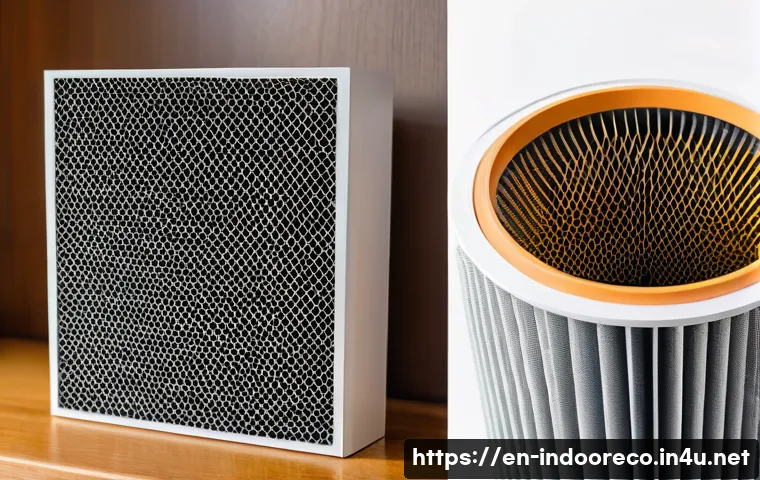
Keeping your indoor air fresh and healthy hinges largely on the state of your air purifier’s filter. Over time, these filters trap dust, allergens, and pollutants, gradually losing their efficiency.
But how often should you really change them to maintain optimal air quality? It’s a question many overlook until they notice a drop in performance or a musty smell.
Understanding the right replacement schedule not only protects your health but also extends the life of your device. Let’s dive into the details and make sure you’re breathing easy with a clean filter!
Recognizing When Your Air Purifier Filter Needs Attention
Signs of a Clogged Filter
One of the first things I noticed when my air purifier filter was due for a change was a noticeable decrease in airflow. The fan seemed to work harder, and the room didn’t feel as fresh as usual.
This happens because dust and debris accumulate on the filter, restricting air passage. Another common sign is an unpleasant, musty odor that lingers despite regular cleaning of the room.
This smell often comes from trapped pollutants and mold growth on the filter surface. If you’re experiencing frequent allergy flare-ups or coughing indoors, it might also be time to check your filter.
These symptoms are your body’s way of telling you that the air quality has declined due to filter saturation.
Visual Inspection Tips
A quick glance can save you from prolonged exposure to poor air quality. Most filters have a visible layer where dust particles collect, making it easier to judge if they need replacement.
If the filter looks gray or brown rather than white or off-white, it’s a clear indicator it’s time to swap it out. However, some filters require a more detailed check — HEPA filters, for example, should be inspected closely for any tears or damage that might reduce their effectiveness.
A flashlight can help you spot dust buildup in hard-to-see areas. Remember, even if the filter doesn’t look overly dirty, it can still be clogged with microscopic pollutants that aren’t visible to the naked eye.
Impact of Environmental Factors
The environment where your purifier is located plays a huge role in how often you need to change the filter. For instance, if you live in a city with high pollution levels, your filter will accumulate particles much faster than someone in a rural area.
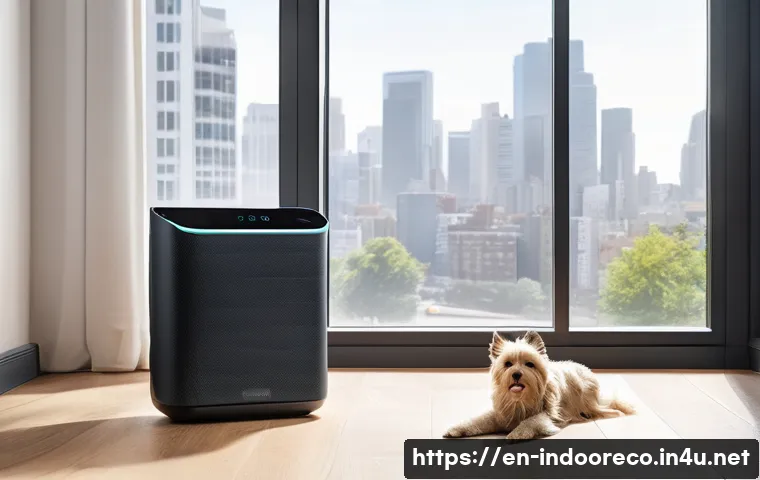
Similarly, households with pets tend to have more hair and dander, which can clog filters sooner. Smokers in the home or frequent use of candles and incense also contribute to faster filter wear.
I found that in a busy household with two dogs and city traffic nearby, my filter needed changing every three months instead of the usual six. It’s important to tailor your replacement schedule to your specific living conditions rather than relying solely on generic guidelines.
Understanding Filter Types and Their Lifespans
HEPA Filters: The Gold Standard
High-Efficiency Particulate Air (HEPA) filters are widely regarded as the most effective at capturing fine particles like pollen, dust mites, and even some bacteria.
Typically, these filters last between six to twelve months, depending on usage and environment. I’ve personally found that in a moderately polluted urban setting, replacing my HEPA filter every nine months balanced performance and cost effectively.
One thing to keep in mind is that HEPA filters cannot be washed or reused; once clogged, their efficiency drops drastically, so timely replacement is crucial to maintain air quality.
Carbon Filters: Odor and Chemical Control
Carbon filters are designed to absorb odors, smoke, and volatile organic compounds (VOCs). Their lifespan tends to be shorter, usually around three to six months, because their activated carbon material gets saturated quickly.
I remember using a purifier in a kitchen-adjacent room where cooking fumes were constant; the carbon filter needed replacing every four months to keep the air fresh.
Some models combine HEPA and carbon filters, so it’s important to check each component’s replacement schedule separately.
Washable and Permanent Filters
Some air purifiers come with washable or permanent filters, offering a more sustainable option. These filters typically require monthly cleaning to maintain performance, but they don’t last forever.
Over time, their filtering ability diminishes due to wear and tear. My experience with a washable pre-filter was positive; cleaning it monthly helped reduce dust buildup on the main filter, extending the purifier’s overall lifespan.
However, for the main HEPA or carbon filters, replacement is still necessary as washable types can’t trap the smallest particles effectively forever.
How Usage Patterns Affect Filter Replacement Frequency
Continuous vs. Intermittent Use
If your air purifier runs 24/7, your filter will naturally wear out faster. I noticed that during the winter months, when the purifier was constantly on due to closed windows and heating systems, the filter needed changing sooner.
Conversely, running the purifier only during certain hours or days slows down filter degradation. For example, using the device primarily at night or only during allergy season can extend filter life.
It’s worth adjusting your replacement schedule based on how intensively you use your purifier.
Room Size and Airflow Settings
Larger rooms require more powerful airflow settings, which can strain filters faster. In a small bedroom, low to medium settings suffice, preserving the filter longer.
However, in a living room or open-plan space, higher fan speeds pull more air through the filter, causing quicker clogging. I once tried running my purifier on the highest setting all day in a large room, and the filter needed replacement within just a few months.
Balancing fan speed with actual air quality needs helps manage filter longevity without sacrificing comfort.
Seasonal Influences
Seasons bring different challenges. Spring and fall often come with increased pollen, while winter brings indoor dust and dry air that can exacerbate filter wear.
I find myself replacing filters more frequently in these transitional seasons. Summer, with open windows and natural ventilation, might reduce indoor pollutant buildup, allowing filters to last longer.
Monitoring air quality trends throughout the year can guide you in adjusting filter maintenance accordingly.
Maintaining Your Air Purifier for Optimal Performance
Regular Cleaning Routines
Besides changing filters, cleaning the purifier itself helps maintain peak efficiency. Dust can accumulate on the exterior and inside the unit, reducing airflow and forcing the motor to work harder.
I make it a habit to wipe down the unit weekly with a dry cloth and vacuum the intake vents to prevent dust buildup. This simple step can prolong filter life by reducing the overall particle load.
Using Filter Replacement Indicators
Many modern air purifiers come equipped with filter replacement indicators that alert you when it’s time to change the filter. While these sensors are helpful, I’ve learned not to rely solely on them.
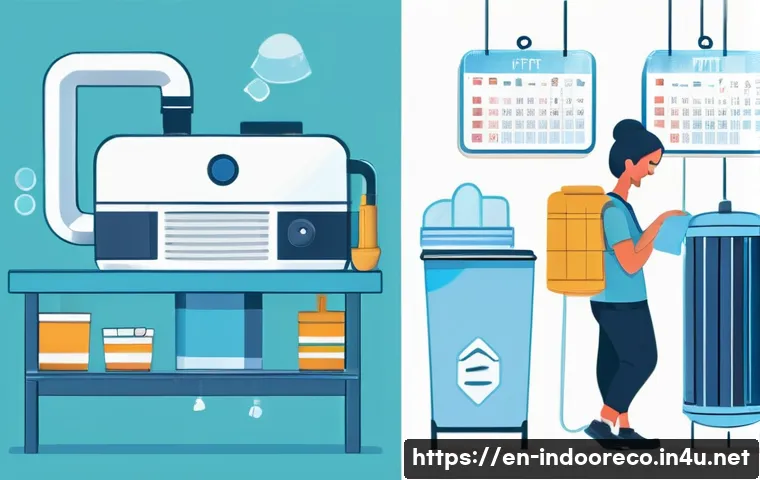
Sometimes, environmental factors cause the filter to clog faster than the sensor detects, or the sensor might reset incorrectly after a power outage. Combining these indicators with visual checks and performance observations ensures you don’t miss timely replacements.
Storing Spare Filters Properly
Keeping backup filters on hand is smart, especially if you live in an area with fluctuating air quality. However, I discovered that filters need to be stored in a dry, cool place to prevent degradation.
Avoid keeping them in humid basements or near chemicals. Proper storage ensures your replacement filters remain effective when you need them, preventing unpleasant surprises during installation.
Cost vs. Benefits: Balancing Expenses and Health
Evaluating Filter Replacement Costs
Replacing filters regularly can feel like a recurring expense, but the benefits often outweigh the costs. High-quality HEPA filters may cost anywhere from $30 to $100, depending on the brand and model.
Carbon filters tend to be less expensive but require more frequent changes. In my experience, budgeting for filter replacements as part of your household maintenance is essential to avoid compromising air quality or risking damage to the purifier.
Health Implications of Delayed Replacement
Skipping or delaying filter changes can lead to poor indoor air quality, which may worsen allergies, asthma, or other respiratory conditions. I noticed that when I pushed filter replacement beyond the recommended time, my allergies flared up, and the air felt stuffy.
Clean filters help trap harmful particles before they circulate in your living space, making the investment in timely replacements critical for your well-being.
Optimizing Replacement Timing for Savings
To save money without sacrificing health, consider factors like your local air quality index and lifestyle habits. In areas with cleaner air, you might extend filter life slightly, while in polluted or high-pet environments, more frequent replacements are necessary.
Using purifier settings intelligently—such as lowering fan speed when air quality improves—can also reduce filter wear and lower costs over time.
Common Myths About Air Purifier Filters
“Filters Last Forever If Cleaned”
A lot of people think that washing or vacuuming a HEPA filter can restore it completely, but that’s not true. I tried cleaning a HEPA filter once, hoping to stretch its life, but the purifier’s performance noticeably dropped afterward.
HEPA filters trap microscopic particles deep within their fibers, and cleaning can damage their structure or fail to remove embedded pollutants. It’s best to replace these filters as recommended by the manufacturer.
“Every Filter Replacement Interval Is the Same”
Another misconception is that all filters have a universal lifespan. In reality, replacement frequency varies widely depending on filter type, usage, and environmental factors.
For example, a carbon filter in a smoking household may need replacement every two months, while the same filter in a smoke-free home might last six months.
Understanding your unique situation helps avoid unnecessary replacements or overdue changes.
“Ignoring Filter Replacement Doesn’t Affect the Device”
Some believe that old filters only affect air quality but not the purifier itself. However, clogged filters force the purifier’s motor to work harder, potentially leading to overheating or mechanical failure.
From personal experience, I’ve seen older purifiers develop fan issues after prolonged use with neglected filters. Timely replacements protect both your health and your investment.
Typical Replacement Schedules for Popular Air Purifier Models
Manufacturer Recommendations vs. Real-World Use
Manufacturers usually provide general guidelines for filter replacement—often every 6 to 12 months for HEPA filters and 3 to 6 months for carbon filters.
Yet, these recommendations assume average usage and environmental conditions. In reality, many users find that their filters require more frequent changes, especially in urban or pet-friendly homes.
Listening to your purifier’s performance and environmental cues is key.
Adjusting Based on Personal Experience
I’ve found that tracking my filter changes and monitoring air quality improvements helps me fine-tune my schedule. For instance, during pollen season, I switched to replacing filters every four months instead of six and noticed a significant reduction in allergy symptoms.
Keeping a simple log or calendar reminder can help manage this process efficiently.
Summary Table of Filter Lifespans by Type and Usage
| Filter Type | Typical Lifespan | Factors Influencing Replacement Frequency | Recommended Replacement Interval |
|---|---|---|---|
| HEPA | 6-12 months | Air pollution, pet dander, continuous use | Every 6-9 months for urban/pet households |
| Carbon | 3-6 months | Odors, smoke, VOCs, heavy cooking | Every 3-4 months in high-odor environments |
| Washable Pre-filter | Variable, with monthly cleaning | Dust levels, frequency of cleaning | Clean monthly, replace every 1-2 years |
| Permanent Filter | 1-2 years | Usage intensity, environmental contaminants | Inspect quarterly, replace if damaged |
Conclusion
Maintaining clean and functional air purifier filters is essential for ensuring the quality of the air you breathe. Paying attention to signs of filter wear and adjusting replacement schedules based on your environment can make a noticeable difference in health and comfort. With the right care and timely changes, your purifier will perform optimally, protecting your home from pollutants effectively.
Useful Tips to Remember
1. Regularly check your filter for reduced airflow or unpleasant odors as early signs of clogging.
2. Tailor your filter replacement frequency to your living conditions, such as pollution levels and pet presence.
3. Combine manufacturer guidelines with your personal observations to avoid premature or delayed filter changes.
4. Clean your purifier unit routinely to extend filter life and maintain efficient performance.
5. Store spare filters in a dry, cool place to preserve their effectiveness until use.
Key Takeaways
Consistent monitoring and timely replacement of air purifier filters are crucial for maintaining indoor air quality and protecting respiratory health. Environmental factors and usage patterns significantly influence filter lifespan, so personalizing your maintenance routine is important. Neglecting filter changes can reduce purifier efficiency and increase costs in the long run. Prioritizing proper care ensures both your well-being and the longevity of your device.
Frequently Asked Questions (FAQ) 📖
Q: How often should I change the air purifier filter to keep my indoor air fresh?
A: Generally, it’s best to replace your air purifier filter every 3 to 6 months, but this can vary depending on the type of filter and how often you run the purifier.
For example, if you live in a city with high pollution or have pets, you might need to change it more frequently. Personally, I found that swapping my filter every 4 months keeps the air noticeably cleaner and prevents any musty odors from developing.
Q: What signs indicate that my air purifier filter needs changing?
A: The most common signs are a drop in air purifier performance, like reduced airflow or the device running louder than usual, and a persistent stale or musty smell in the room.
If you start noticing dust settling faster or your allergies acting up more, that’s a strong hint. From my experience, paying attention to these changes helped me avoid wasting time with a clogged filter and kept my air quality consistently good.
Q: Can I clean and reuse my air purifier filter instead of replacing it?
A: It depends on the filter type. Some HEPA filters are designed to be disposable and shouldn’t be washed because water damages their structure. However, pre-filters can often be vacuumed or lightly washed to extend their life.
I once tried rinsing a HEPA filter to save money, but it ended up reducing its effectiveness and caused my purifier to work harder. So, it’s safer to follow the manufacturer’s guidelines to avoid compromising air quality and your device’s longevity.