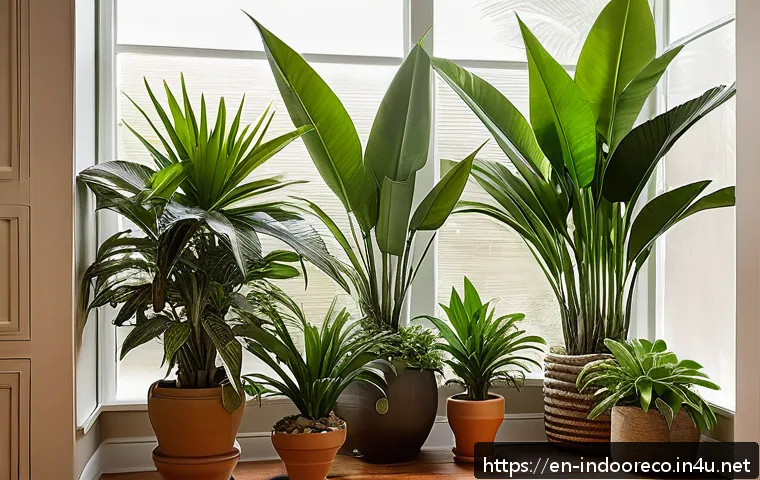
Houseplants can improve a room’s comfort and appearance, but they are not a substitute for ventilation or an air purifier. Compare plant care needs, pet safety, light conditions, and air-quality options before buying.
Houseplants can make a room feel calmer and more welcoming, but they do not replace ventilation or a properly chosen air purifier. For reducing indoor pollutants, source control and fresh-air circulation are generally more reliable than adding more plants.
The best purchase depends on your room’s light, available care time, pet access, and whether particles or stale air are your main concern. A plant can be a useful comfort upgrade, while an air purifier or indoor air-quality monitor may be the more practical tool for a specific air concern.
Choose plants for appearance and realistic care needs, not for promised health outcomes. Check drainage, pot size, and species safety before bringing a plant into a home with cats, dogs, or small children.
A combined approach often works well: reduce sources, ventilate when practical, use filtration when needed, and add plants that you can maintain comfortably.
At a Glance
- Houseplants support visual comfort and may modestly affect humidity close to the plant, but they are not a substitute for ventilation or filtration.
- Air purifiers can reduce certain airborne particles when they are appropriately sized, filtered, and used correctly.
- Plant choice should start with light, pet access, drainage, and care time, not a claim that a plant will clean an entire room’s air.
| Option | Best suited for | Ongoing attention | Key buying consideration |
|---|---|---|---|
| Houseplants | Appearance, a more comfortable-feeling room, and modest local humidity support | Watering, light checks, cleaning leaves, drainage, and pest prevention | Light requirements, pot drainage, available space, and pet safety |
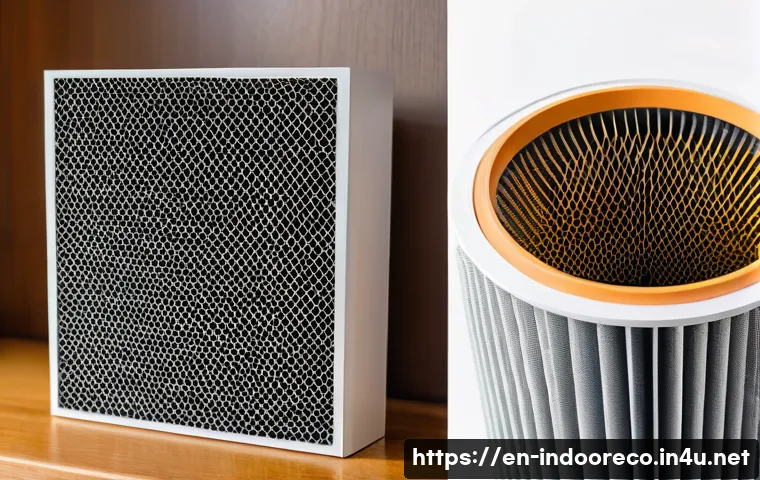
| Portable air purifier | Reducing certain airborne particles in an enclosed area | Correct placement, regular operation, and replacement filters | Room coverage, filter type, particle source, noise, and energy use |
| Ventilation improvements | Reducing stale indoor air and addressing pollutants at a room level | Opening windows when practical and maintaining airflow paths | Outdoor conditions, building layout, weather, and the source of indoor pollutants |
What Houseplants Realistically Contribute to Indoor Air Comfort
The Quick Answer: Visual Comfort and Humidity Support, Not a Replacement for Filtration
Plants can make an apartment, house, or workspace look more finished. They add color, texture, and a sense of routine to places that otherwise feel plain. Depending on room conditions and care, a plant may also have a modest effect on humidity in the area around it.
That said, a plant is not an air-cleaning machine. Frequently cited research on plant-based air cleaning was performed in controlled chamber settings. Those conditions do not directly represent a typical bedroom, living room, or office with changing airflow, open doors, furnishings, and different pollutant sources.
If your main goal is cleaner indoor air, begin with source control and ventilation. Then consider a portable air purifier if particles are a concern. Choose plants because you enjoy them and can care for them consistently.
Why Room Size, Ventilation, and Pollutant Sources Matter More Than Plant Count
A single plant in a large room and several plants in a small room are not simple air-quality formulas. The actual result depends on room size, ventilation, what is creating the pollutant, and how air moves through the space. The exact reduction any one plant may achieve in a specific room is unknown.
For example, adding plants will not remove the need to address a clear source of unwanted indoor air. If a room feels stale, first look at airflow. If the concern is airborne particles, compare an appropriately sized air purifier with the room’s practical coverage needs. An indoor air-quality monitor can also help you observe changing conditions, though it does not identify every cause by itself.
Compare Plants, Air Purifiers, and Ventilation Before You Spend
What Each Option Is Best Suited to Address
Plants are primarily a decor and care-based choice. They can soften a hard-looking workspace, bring a little life to a rental, and create a more relaxing visual environment. A purifier is a more direct purchase consideration when you are focused on certain airborne particles. Ventilation is often the more dependable starting point for reducing pollutants in real indoor spaces.
It helps to avoid treating these options as competitors. A plant can sit near a reading chair while a purifier serves a different purpose elsewhere in the room. Good airflow and sensible source control can support both choices.
Upfront Cost, Ongoing Maintenance, Noise, Energy Use, and Replacement Filters
Every option has a different ownership routine. A plant may need a container, drainage support, suitable potting conditions, and possibly a grow light. A portable air purifier may involve noise, energy use, and replacement filters. Ventilation may be as simple as using available windows when conditions allow, but outdoor air and building layout matter.
Before buying, compare the work as well as the product. A low-maintenance plant is only low maintenance if its light and watering needs match the spot you have. Likewise, an air purifier only works as intended when it is used correctly and its filter is maintained.
When a Combined Approach Makes Sense
A combined plan is often the most realistic. Use ventilation and source control as practical foundations. Add an air purifier when particle reduction is a priority for a particular room. Add plants for their appearance and the small daily sense of comfort they can provide.
This approach also prevents overspending on plants for the wrong reason. Instead of filling a room with greenery in hopes of a predictable air-quality result, choose a manageable number of plants and put the larger budget toward the tool that addresses your actual concern.
Choose Plants by Light, Care Level, and Household Safety
Lower-Light Options for Apartments and Desks
For a dimmer apartment corner or desk, look for plants clearly labeled for lower-light conditions. Do not assume “low light” means “no light.” Observe the location over several days, including how much daylight it receives and whether nearby furniture blocks it.
Keep the choice simple. A compact plant with straightforward watering needs is often easier to maintain than a large statement plant in the wrong location. If you work in an office, confirm whether weekend heating, cooling, and lighting patterns will affect the plant.
Brighter-Room Choices and When Grow Lights Add Value
Brighter rooms offer more flexibility, but direct sun and warm windows can still change watering needs. Read the species label and place the plant according to its stated light preference. Rotate or reposition it only when that care guidance supports it.
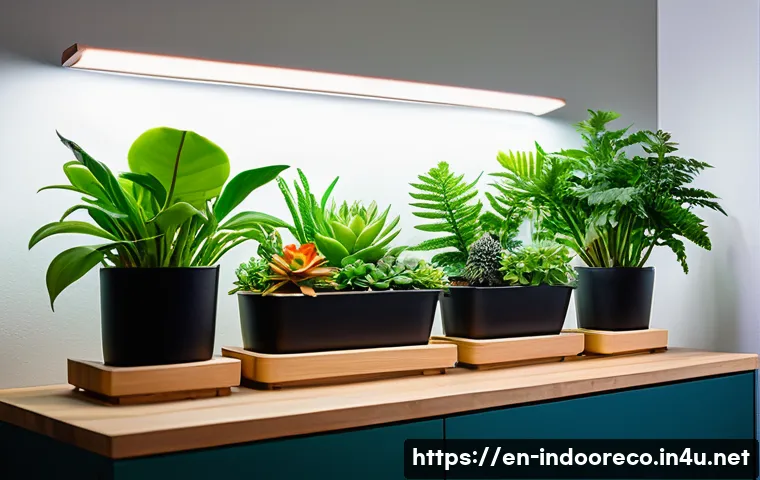
A grow light can be worth considering when the desired plant does not receive enough suitable natural light. It is not automatically necessary for every indoor plant. Compare the light’s placement needs, operating routine, and available outlet space before buying one.
Pet and Child Safety Checks Before Bringing a Plant Home
Some popular houseplants can be harmful when chewed by cats or dogs. Never rely only on a broad category such as “pet-friendly” or “indoor plant.” Confirm the exact species, check reliable pet-safety guidance, and seek veterinary guidance when needed for your specific animal.
Placement matters too. A plant advertised as safe may still create a mess if soil is dug up, while a plant that is not appropriate for chewing should not be made accessible through a low table or floor pot. Choose a stable pot and think about who can reach it.
Avoid Common Plant-Care Problems That Can Make a Room Feel Worse
Overwatering, Poor Drainage, and Fungus Gnats
Overwatering is one of the easiest ways to turn a pleasant plant purchase into a frustrating maintenance problem. Damp soil and poor drainage can contribute to mold growth or fungus gnats. Use a pot with suitable drainage, avoid leaving excess water standing around the pot, and follow the plant’s watering needs rather than a rigid calendar.
Decorative containers can be useful, but they should not hide a drainage problem. Check what is happening inside the pot, not just whether the planter looks good on a shelf.
Dusty Leaves, Crowded Pots, and Neglected Maintenance

Plants are part of the room, so they need basic upkeep. Dusty leaves can make a healthy-looking plant appear neglected, and crowded pots can make watering and cleanup harder. Build small checks into your routine: inspect leaves, remove fallen debris, and look for signs that soil is staying wet longer than expected.
Do not buy more plants than you can comfortably monitor. One well-placed, well-maintained plant usually contributes more to a room’s appearance than several neglected ones.
When to Prioritize Moisture Control and Fresh-Air Circulation
If moisture, musty conditions, or recurring pests are becoming a concern, pause before adding more plants. Focus on moisture control, drainage, and fresh-air circulation. Plants should not be used to cover up a room problem that needs direct attention.
In a small space, leave enough room around pots for cleaning and airflow. Avoid placing plants where they block vents, crowd a windowsill, or make it harder to use an air purifier effectively.
Room-by-Room Guidance for Homes and Small Workspaces
Bedrooms: Low-Maintenance Placement Without Blocking Airflow
A bedroom plant should fit the room without creating clutter around the bed, window, or airflow path. Choose a manageable size and a stable pot. If you use a portable air purifier in the bedroom, avoid placing plants where they obstruct the unit’s intake or outlet.
Keep care realistic. Bedrooms with limited daylight may call for a plant selected specifically for that condition, while a brighter room may allow more options. Pet access should remain part of the decision.
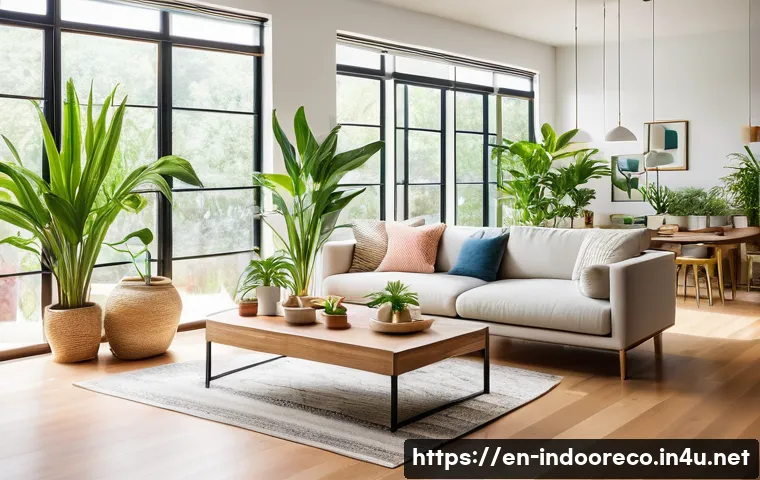
Living Rooms: Balancing Decorative Scale and Available Daylight
Living rooms can handle larger visual statements, but size alone does not make a plant a better fit. Match the plant to the actual daylight near its intended location, not to the brightest window elsewhere in the home. Leave space around the pot for cleaning and check that it will not be bumped by foot traffic.
If the room is where guests gather, a plant can be an effective decor purchase. If the concern is particles or stale air, compare an air purifier and ventilation options separately instead of expecting the plant to do both jobs.
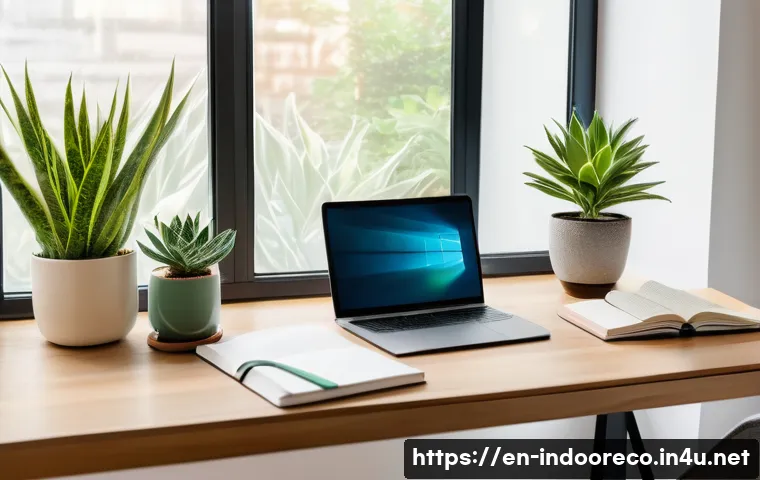
Home Offices: Compact Plants, Desk Space, and Air-Quality Equipment
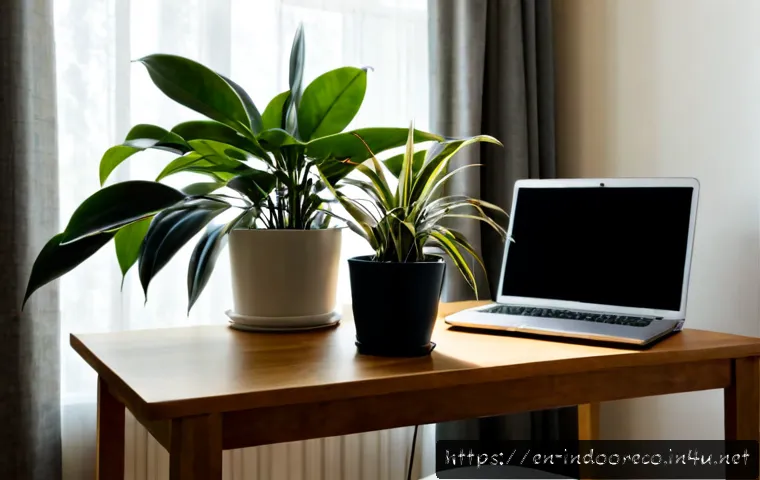
For a home office, compact plants are often easier to place without sacrificing work surface area. Keep soil and water away from electronics, cords, and paperwork. A small plant may improve the look of a desk, but it should not crowd the space where you work every day.
If you are comparing an indoor air-quality monitor or an air purifier for the office, place equipment where it can operate without obstruction. Choose based on the room’s size, particle source, and local conditions rather than on a general product claim.
Selection Criteria and Comparison Summary
Make the final choice with a short checklist. First, confirm the light level in the exact location. Second, decide how much watering, leaf cleaning, and repotting attention you can realistically provide. Third, verify the exact plant species for pet and child safety. Fourth, choose a pot with drainage and enough room to manage excess water. Fifth, if airborne particles are the main concern, compare an appropriately sized air purifier and its replacement-filter needs before purchasing additional plants. Finally, consider a grow light only if the available light does not match the plant you want.
For product details, compare the manufacturer’s room-coverage guidance, filter information, plant-care label, pot drainage design, and pet-safety information on the relevant product or official guidance page.
Closing Thoughts
Houseplants are a practical way to make indoor spaces look fresher and feel more personal. Their strongest value is usually visual comfort and the routine of caring for something living. For indoor air concerns, start with source control and ventilation, then consider filtration based on the room and the issue you are trying to address. A well-chosen plant and the right air-quality tools can work side by side without asking either one to do more than it can.
Useful Things to Know
1. Check the exact location: Light can vary greatly within the same room.
2. Inspect drainage before watering: Wet soil and standing water can create avoidable problems.
3. Keep airflow paths open: Do not block vents or air purifier intake and outlet areas with pots or furniture.
4. Confirm species safety: A plant’s common name is not enough for pet-related decisions.
5. Buy for the real need: Decor, particle concerns, and stale air may call for different solutions.
Important Limitations
It is not possible to predict the exact pollutant reduction a particular plant will provide in an individual home or office. Plants alone should not be assumed to improve allergy, asthma, or other health symptoms. The best purifier size and filter type also depend on room size, particle source, and local conditions. For pet safety, confirm the specific species and seek veterinary guidance when appropriate.
Frequently Asked Questions
Q1. Can houseplants replace an air purifier for indoor air quality?
A1. No. Houseplants can improve a room’s appearance and may modestly affect humidity near the plant, but they are not a replacement for ventilation or an air purifier. Portable air purifiers can help reduce certain airborne particles when appropriately sized, filtered, and used correctly.
Q2. Which houseplants are safest for homes with cats or dogs?
A2. Safety depends on the exact plant species, not just a general plant category or store label. Some popular houseplants can be harmful if chewed. Confirm the species with reliable pet-safety information and seek veterinary guidance for your pet when needed.
Q3. Is it worth buying an air-quality monitor before choosing plants or an air purifier?
A3. It can be useful if you want more information about changing conditions in a particular room. However, a monitor does not determine the right solution on its own. Consider the room size, likely particle source, ventilation, and your practical maintenance preferences before choosing an air purifier or adding plants.