Indoor environments are bustling with countless microorganisms, some beneficial and others potentially harmful. Maintaining a balanced indoor microbiome is crucial for our health, as it influences air quality, immune responses, and even mental well-being.

With more people spending time inside homes and offices, understanding how to nurture this invisible ecosystem becomes more important than ever. Factors like ventilation, humidity, and cleaning habits all play a role in shaping these microbial communities.
Curious about how to create a healthier indoor space? Let’s dive deeper and explore the fascinating world of indoor microbiome balance together!
Optimizing Airflow to Cultivate a Healthy Microbial Mix
How Ventilation Shapes Microbial Diversity
When you think about the air circulating inside your home or office, it’s not just about keeping it fresh — it’s about influencing which microorganisms thrive.
Proper ventilation brings in outdoor air that carries a variety of microbes, enriching the indoor microbial community and preventing the dominance of potentially harmful species.
I’ve noticed in my own living space that simply opening windows regularly during mild weather significantly changes the air quality and even reduces musty smells.
Mechanical ventilation systems, like HVAC units with fresh air intake, can be a game-changer too, especially in airtight modern buildings where natural airflow is limited.
Balancing Ventilation and Energy Efficiency
One challenge many face is striking a balance between adequate airflow and keeping energy bills manageable. Over-ventilating in cold or hot seasons can lead to discomfort and higher costs, tempting people to seal their homes tightly.
However, this can create stagnant air pockets where undesirable microbes flourish. Using energy recovery ventilators (ERVs) or heat recovery ventilators (HRVs) can help maintain fresh air circulation without wasting energy.
In my experience, investing in these systems pays off by promoting a healthier indoor environment and reducing long-term maintenance costs related to moisture damage or poor air quality.
DIY Tips for Improving Air Circulation
You don’t always need complex systems to improve airflow. Simple steps like strategically placing fans to encourage cross-ventilation or keeping interior doors open can make a noticeable difference.
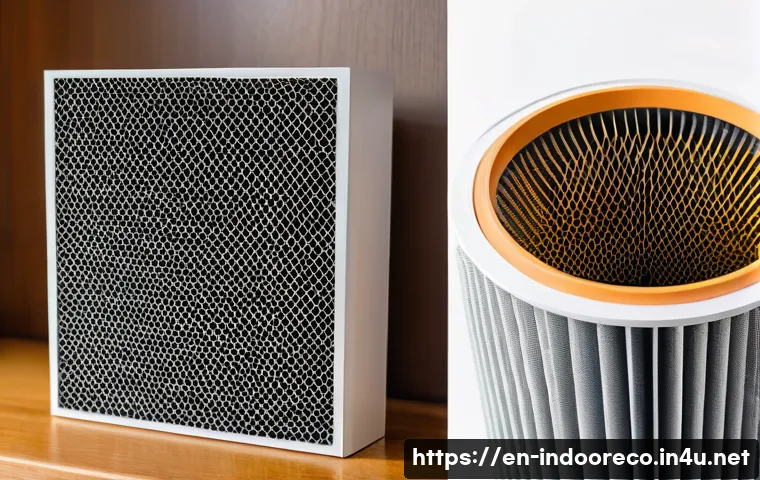
Also, positioning air purifiers near areas where dust and particles accumulate can help reduce microbial buildup. I’ve found that rotating these small adjustments seasonally helps keep the indoor microbial ecosystem more dynamic and balanced.
Humidity Control: The Silent Regulator of Indoor Microbes
Why Humidity Matters for Microbial Growth
Humidity plays a pivotal role in determining which microorganisms thrive indoors. Too much moisture creates a perfect environment for mold and dust mites, while extremely dry air can irritate your respiratory system and reduce beneficial microbial diversity.
From my own trial and error, maintaining indoor humidity between 40% and 60% feels best — it keeps the air comfortable and helps keep harmful microbes at bay.
During winter, dry heating often lowers humidity drastically, which can exacerbate allergies and respiratory discomfort.
Effective Ways to Manage Indoor Humidity
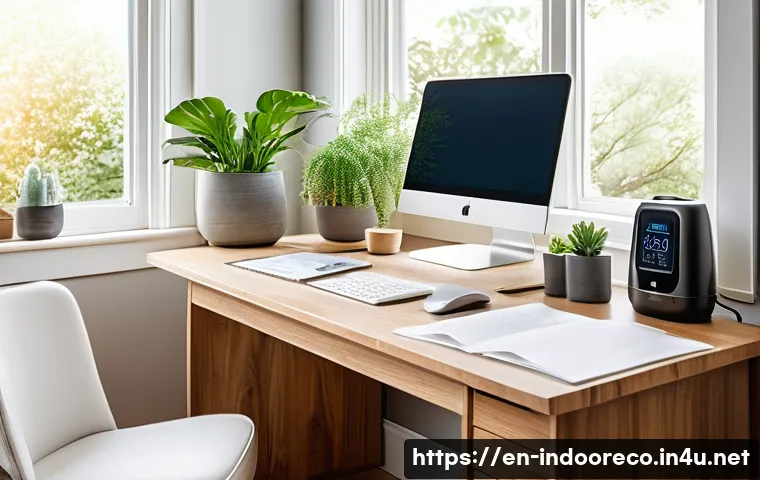
Using humidifiers or dehumidifiers strategically can help you maintain that sweet spot. I personally use a smart humidifier that adjusts output based on real-time humidity readings.
Besides gadgets, simple habits like drying clothes outside or using exhaust fans in bathrooms and kitchens significantly reduce excess moisture. It’s also essential to check for leaks or water damage regularly because hidden dampness is a breeding ground for mold and bacteria.
The Consequences of Neglecting Humidity Levels
Ignoring humidity control can lead to long-term health issues and costly repairs. Mold spores circulating in the air may trigger asthma or allergic reactions, and the structural integrity of your home could be compromised.
From conversations with friends who skipped these precautions, I’ve learned that persistent humidity problems often lead to expensive remediation down the line.
Staying proactive is key.
Cleaning Practices That Support Beneficial Microbes
Choosing Cleaning Methods That Don’t Over-Sanitize
While it’s tempting to use harsh disinfectants everywhere, over-sanitizing can wipe out helpful microbes that keep harmful ones in check. I’ve switched to milder, eco-friendly cleaning agents in most areas, reserving disinfectants for high-touch surfaces only.
This approach maintains microbial diversity and reduces chemical exposure, which my family appreciates. It’s about finding that middle ground — clean enough to be safe but not sterile to the point of imbalance.
Frequency and Timing of Cleaning
How often you clean matters just as much as what you use. Overdoing it daily in low-traffic areas may disrupt microbial communities unnecessarily. Instead, focusing on routine cleaning in kitchens, bathrooms, and entryways, combined with occasional deep cleans, keeps things balanced.
I like to schedule deeper cleans seasonally, which also coincides with checking humidity and ventilation adjustments.
Incorporating Natural Microbial Boosters
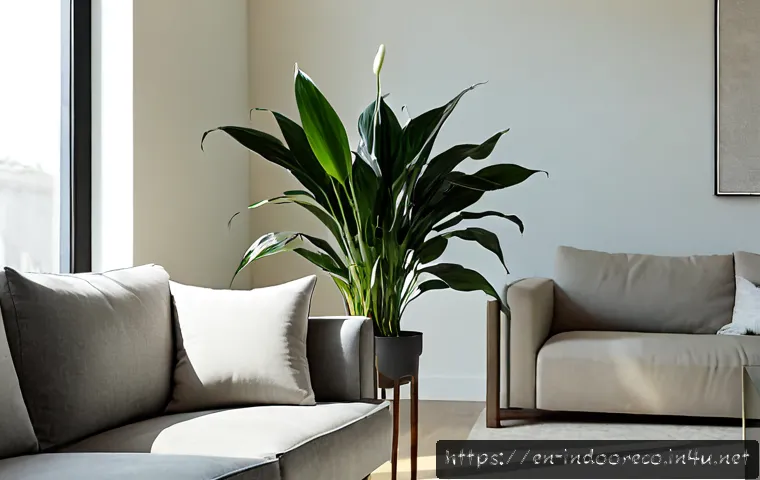
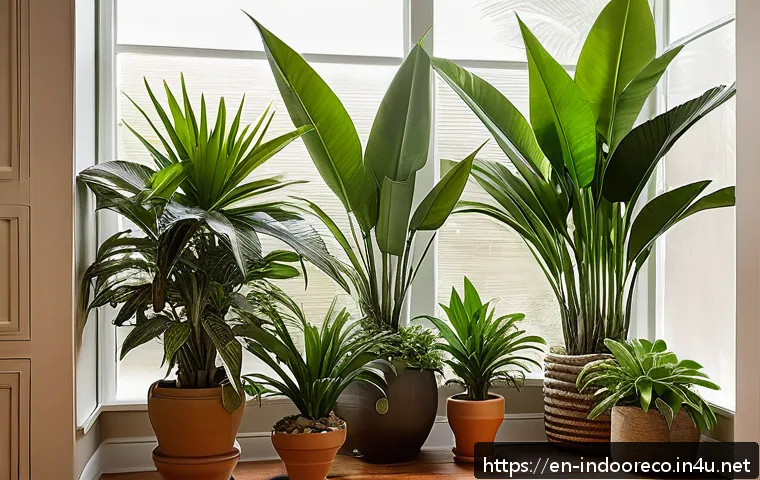
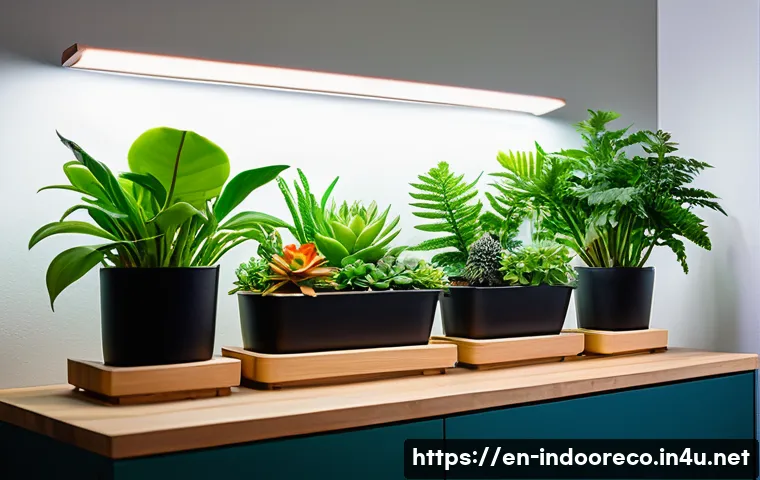
Some natural materials like houseplants and certain wooden surfaces can encourage beneficial microbes. I’ve added a few low-maintenance plants around my home not just for aesthetics but because they seem to contribute to a more balanced indoor ecosystem.
Studies suggest that these natural elements can introduce and sustain helpful microbial populations, which is a bonus on top of their air-purifying qualities.
Understanding the Role of Surfaces in Microbial Habitats
Surface Materials and Microbial Growth
Not all surfaces are created equal when it comes to harboring microbes. Porous materials like fabric and wood tend to support more diverse microbial communities compared to non-porous ones like metal or plastic.
From personal experience, wooden furniture and natural fiber rugs feel warmer and more “alive,” which might be linked to their microbial profiles. However, these materials also require more attentive cleaning to avoid unwanted microbial buildup.
High-Touch Surfaces: Hotspots for Microbial Exchange
Door handles, light switches, and remote controls are microbial hotspots due to frequent contact. While these need regular cleaning, it’s crucial to use gentle methods to avoid stripping away all microbes.
I keep disinfectant wipes handy for these areas but avoid spraying harsh chemicals directly on surfaces to preserve material integrity and microbial balance.
Innovations in Antimicrobial Surface Technology
Recent advances have introduced surfaces coated with antimicrobial agents designed to reduce harmful microbes without disturbing beneficial ones. Though still emerging, I’m considering these options for my workspace, especially in shared areas.
It’s promising technology that could change how we think about maintaining indoor health.
How Lifestyle Choices Influence Indoor Microbial Communities
Pets and Their Microbial Contributions
Having pets can dramatically alter your home’s microbial landscape. My experience with dogs and cats shows that their presence increases microbial diversity, which can be beneficial for immune development, especially in children.
Of course, it means staying vigilant about pet hygiene and cleaning, but the trade-off often results in a richer indoor ecosystem.
Cooking and Food Storage Habits
The kitchen is a microbe hotspot, influenced heavily by what and how you cook. Fresh produce brings in beneficial microbes, while improper food storage can encourage pathogens.
I’ve learned to regularly clean my fridge and compost organic waste to keep microbial balance optimal. Also, using natural fermentation like homemade yogurt or kimchi introduces helpful bacteria into the environment.
Human Activity Patterns and Microbial Shifts
The number of people in a space, how often they come and go, and their hygiene habits all impact microbial communities. High traffic can increase microbial exchange, which is usually good, but overcrowding or poor hygiene can tip the balance toward harmful microbes.
I’ve noticed that inviting friends over and maintaining open airflow makes my home feel fresher and healthier overall.
Tracking Indoor Microbial Health: Tools and Indicators
Using Smart Sensors for Real-Time Monitoring
Technology now allows us to monitor indoor air quality and humidity with smart sensors that connect to our phones. I installed one last year and was amazed at how often humidity spikes without me realizing.
This data helps me adjust ventilation and humidification before issues arise, making proactive management easier.
Visual and Sensory Clues to Microbial Imbalance
Sometimes, you don’t need gadgets to tell if your indoor microbiome is off. Musty odors, visible mold spots, persistent allergies, or respiratory irritation are red flags.
I’ve learned to trust these signs and act promptly by increasing airflow, adjusting humidity, or cleaning affected areas more thoroughly.
Summary Table of Key Indoor Microbial Influencers
| Factor | Effect on Microbial Balance | Management Tips |
|---|---|---|
| Ventilation | Introduces diverse outdoor microbes, reduces stagnation | Use natural airflow, ERVs/HRVs, fans; avoid airtight sealing |
| Humidity | Supports or inhibits mold and dust mites depending on level | Maintain 40-60% RH; use humidifiers/dehumidifiers; fix leaks |
| Cleaning | Removes harmful microbes but can eliminate beneficial ones if overdone | Use mild cleaners; focus on high-touch areas; avoid over-sanitizing |
| Surface Type | Porous materials support diverse microbes; non-porous less so | Choose natural materials; clean regularly; consider antimicrobial coatings |
| Lifestyle | Pets, cooking, human activity shape microbial diversity | Maintain pet hygiene; proper food storage; encourage airflow and cleanliness |
Natural Strategies to Enhance Indoor Microbial Balance
Incorporating Plants and Greenery
Adding indoor plants is a simple yet effective way to introduce beneficial microbes and improve air quality. I’ve experimented with spider plants and peace lilies, which seem to reduce dust and add a refreshing vibe.
These plants create microhabitats for helpful microbes on their leaves and soil, enriching the indoor ecosystem naturally.
Using Natural Cleaning Products
Switching to vinegar, baking soda, and essential oils for cleaning offers antimicrobial benefits without harsh chemicals. I’ve found these methods effective for everyday dirt and grime, and they help preserve beneficial microbes better than synthetic agents.
Plus, they’re safer for kids and pets, which is a big win in my household.
Encouraging Outdoor-Indoor Microbial Exchange
Bringing in elements from outside—like fresh air, dirt on shoes, or natural fabrics—helps keep indoor microbes diverse. I’m careful not to overdo it with sterilizing everything, understanding that some microbial exposure is good for immune health.
This approach feels more balanced and less stressful compared to obsessing over every germ.
Common Myths and Misconceptions About Indoor Microbes
Myth: All Indoor Microbes Are Dangerous
Many people believe that microbes indoors are mostly harmful, but that’s far from reality. A balanced indoor microbiome includes many beneficial species that support our immune system and mental well-being.
From my own research and experience, embracing microbial diversity is healthier than striving for sterility.
Myth: More Cleaning Always Means Healthier Spaces
Over-cleaning can backfire by eliminating protective microbial communities. I’ve seen how reducing the use of harsh disinfectants helped reduce allergies in my family, highlighting that more cleaning isn’t always better.
It’s about smart, targeted cleaning rather than constant scrubbing.
Myth: Only New Buildings Have Microbial Problems
Older homes often have unique microbial challenges due to moisture and materials, but newer buildings can trap stale air and foster harmful microbes if ventilation is poor.
I’ve lived in both and learned that building age doesn’t guarantee microbial health — proactive management does.
Conclusion
Maintaining a healthy indoor microbial environment is more achievable than many realize. By thoughtfully managing airflow, humidity, cleaning habits, and lifestyle choices, you can foster a balanced microbial community that supports well-being. Small, consistent actions make a significant difference in creating a fresh and comfortable living space. Embracing these strategies leads to healthier air and a happier home.
Useful Information to Remember
1. Regular ventilation brings in diverse outdoor microbes, preventing harmful buildup and improving air quality.
2. Keeping indoor humidity between 40% and 60% helps control mold growth and supports respiratory health.
3. Avoid over-sanitizing; using mild cleaners preserves beneficial microbes while keeping spaces safe.
4. Incorporating natural elements like houseplants can boost microbial diversity and enhance air purification.
5. Monitoring indoor conditions with smart sensors or by noticing odors and moisture spots allows proactive care.
Key Takeaways for Healthy Indoor Microbial Balance
Effective management of indoor microbial health revolves around balanced ventilation and humidity control to prevent microbial overgrowth. Cleaning should be targeted and gentle to maintain beneficial microbes while removing harmful ones. Choosing natural materials and adding greenery supports a thriving indoor ecosystem. Finally, lifestyle habits, including pet care and food practices, play a crucial role in shaping your home’s microbial community. Staying mindful and proactive ensures a healthier environment for you and your family.
Frequently Asked Questions (FAQ) 📖
Q: How can I improve the indoor microbiome to promote better health?
A: Improving your indoor microbiome starts with enhancing air quality and maintaining balanced humidity levels. Opening windows regularly to increase ventilation helps introduce fresh air and reduce the buildup of harmful microbes.
Using a humidifier in dry climates or during winter can prevent overly dry air, which tends to favor certain bacteria and viruses. Additionally, avoid overusing harsh chemical cleaners; instead, opt for gentle cleaning methods that remove dirt without wiping out all microbes, allowing beneficial ones to thrive.
Incorporating houseplants can also support a diverse microbial environment. From my experience, these small changes make a noticeable difference in how fresh and comfortable my home feels.
Q: Can indoor cleaning habits negatively affect the microbial balance?
A: Absolutely. While cleaning is essential for hygiene, excessive or improper use of strong disinfectants can disrupt the natural microbial community indoors.
This can lead to the dominance of resistant or harmful microbes, potentially impacting your immune system negatively. I found that switching to eco-friendly, mild cleaners and focusing on cleaning high-touch surfaces rather than sterilizing everything drastically improved the air quality and reduced allergic reactions in my household.
It’s about striking a balance—clean enough to remove dirt and germs but gentle enough to preserve beneficial microbes.
Q: Does ventilation really make a big difference in indoor microbial health?
A: Yes, ventilation is a game-changer. Stale indoor air tends to accumulate pollutants, moisture, and unwanted microbes, creating an unhealthy environment.
Proper airflow helps dilute and remove these contaminants, supporting a more balanced microbiome. In my office, installing a simple exhaust fan and opening windows whenever possible noticeably reduced musty odors and improved my focus and energy levels.
Even something as straightforward as cracking a window for 10-15 minutes daily can refresh the microbial community indoors, making a significant impact on overall well-being.