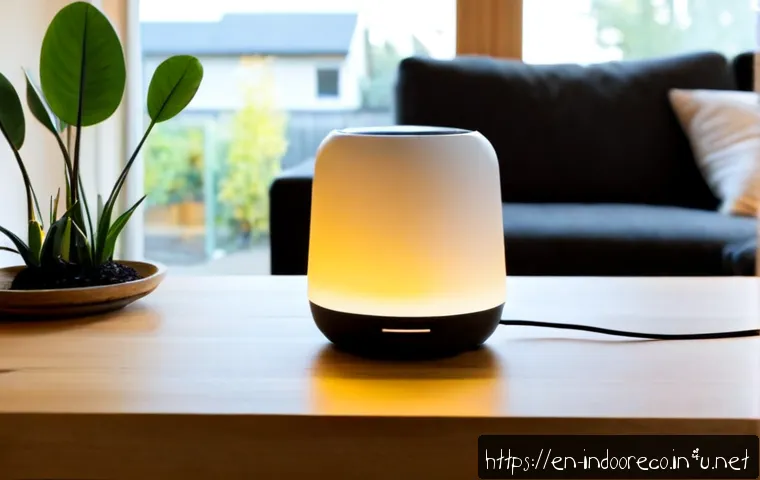
Choose an indoor air quality monitor by matching its sensors to the problem you want to observe: PM2.5 for particles, CO2 for ventilation awareness, and humidity or VOC trends for comfort and changing conditions.
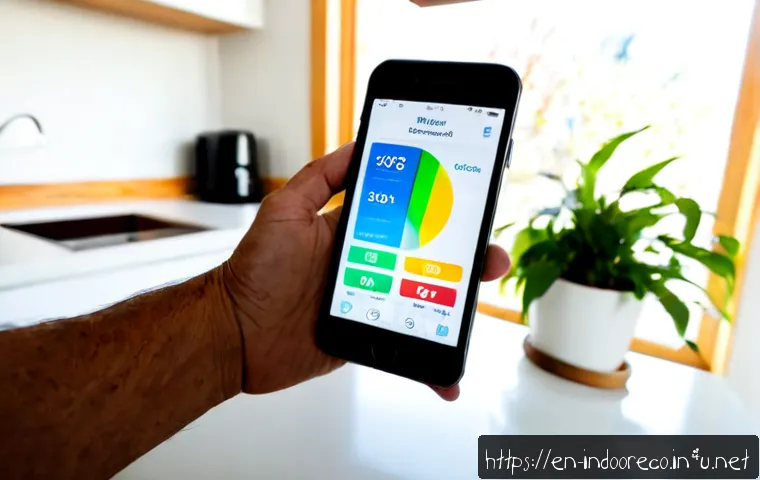
The best smart-home model is not necessarily the one with the most sensors; it is the one that works in the right room, fits your automation platform, and has acceptable long-term costs.
A basic monitor can be enough when you only need visibility and alerts. A connected monitor makes more sense when you want to trigger a purifier, fan, humidifier, or HVAC-related routine.
Before comparing air quality monitor options, check platform compatibility, sensor documentation, replacement requirements, and any subscription terms.
Treat readings as useful signals for investigation, not as a complete diagnosis of your home.
At a Glance
- PM2.5 is useful for tracking fine particles from cooking, dust, and outdoor pollution events.
- CO2 can help show how well an occupied room is being ventilated, but it does not measure every indoor pollutant.
- Smart alerts and automations are valuable only when the monitor is compatible with the purifier, fan, humidifier, thermostat, or hub you already use.
| What to Compare | Why It Matters | Best Fit | Check Before Buying |
|---|---|---|---|
| PM2.5 sensor | Tracks fine particulate matter, including particles associated with cooking and outdoor pollution. | Kitchens, living rooms, homes affected by smoke or traffic. | Room placement, alert settings, and whether particle trends are shown clearly. |
| CO2 sensor | Provides a practical signal of ventilation conditions in occupied rooms. | Bedrooms, offices, shared living spaces. | Historical trends, overnight views, and smart-home platform compatibility. |
| VOC sensor | Can reveal changes over time, especially around odors or new materials. | Renovation periods, new furnishings, changing household routines. | How the device explains trends; consumer VOC data may not identify a specific chemical. |
| Humidity and temperature | Helps monitor comfort, condensation risk, and conditions that may support mold growth. | Bedrooms, bathrooms, basements, and seasonal comfort tracking. | Whether it can alert or automate a humidifier, dehumidifier, or fan. |
| Connected features | Can send alerts or trigger routines with compatible smart-home devices. | Homes with existing hubs, smart speakers, or automation platforms. | Supported platforms, Wi-Fi requirements, privacy settings, and recurring costs. |
What a Smart Indoor Air Monitor Can—and Cannot—Tell You
The Fastest Way to Decide Which Measurements Matter
Start with the room and the event you want to understand. If cooking smoke, dust, or outdoor pollution is your concern, prioritize a monitor with a PM2.5 sensor. If a bedroom or home office feels stale when people are present, a CO2 reading can provide ventilation awareness. If you are watching dampness, condensation, or comfort changes, relative humidity and temperature may be more useful than a broad air-quality score.
For changing odors after a renovation or new furniture purchase, a VOC sensor can be helpful as a trend tool. It may show that conditions changed after a particular event, but consumer-grade VOC readings are generally better for identifying changes and patterns than naming a particular chemical.
Why a Single Air-Quality Score Is Not a Complete Diagnosis
A generic score can be convenient for a quick glance, but it can hide the reason behind the result. A score may change because of particles, VOCs, humidity-related conditions, or another measurement used by that device. Look for a monitor that lets you view the underlying data rather than relying only on one label or color.
One elevated reading also does not establish the cause. Cooking, an open window, direct airflow, a humid bathroom, or the sensor’s location can all influence what the monitor reports. Use the data to ask better questions: What changed? Did the pattern repeat? Does it occur in one room or throughout the home?
Three-Line Summary for Buyers
Choose PM2.5 when airborne particles are the main concern. Choose CO2 when you want to observe ventilation patterns in occupied rooms. Add humidity, temperature, VOCs, and automation only when those measurements solve a real problem in your home.
Compare Air Quality Measurements Before You Buy
PM2.5 for Cooking Smoke, Dust, and Outdoor Pollution Events
PM2.5 means fine particulate matter with a diameter of 2.5 micrometers or smaller. For many households, this is a practical measurement because particle levels can change during cooking, cleaning, nearby outdoor pollution events, or when outdoor air enters through windows and doors.
A PM2.5 monitor can help you see whether particle levels rise in the kitchen and whether they change after ventilation or filtration routines. It cannot, by itself, tell you the exact source of every particle. When comparing an air quality monitor with a smart air purifier, consider whether you need separate visibility first or whether a purifier with integrated sensing fits your daily routine better.
CO2 for Occupied Rooms and Ventilation Awareness
CO2 readings can be used as an indicator of how well an occupied room is being ventilated. This makes a CO2-capable monitor especially relevant for bedrooms, home offices, and shared spaces where people spend long periods with doors and windows closed.
CO2 is not a direct measurement of every indoor pollutant. A low or changing CO2 reading should not be treated as proof that every other air-quality concern has been resolved. Still, recurring CO2 trends can be useful when deciding whether to adjust everyday ventilation habits or investigate an HVAC or building-related question further.
VOC, Humidity, and Temperature: Useful Signals with Limits
VOC readings can be useful when you want to spot changes around cleaning, painting, renovation work, new furnishings, or noticeable odors. The most helpful view is often a timeline: did the reading change after a specific event, and did it return toward its earlier pattern?
Relative humidity affects comfort, condensation risk, and conditions that may support mold growth. Temperature adds context because comfort and humidity are closely linked in everyday use. A monitor with these sensors may be a better fit for a bathroom-adjacent bedroom, basement, or room where seasonal humidity is a concern.
Do not assume a multi-sensor device is automatically the best value. More measurements can mean more information to interpret, and the quality, calibration needs, and long-term reliability of a specific product should be checked in its technical documentation.
Comparison Table: Sensor Types, Use Cases, and Practical Trade-Offs
| Measurement | Useful Question | Practical Value | Important Limitation |
|---|---|---|---|
| PM2.5 | Do particles rise during cooking or when outdoor conditions change? | Helps identify repeatable particle events. | Does not automatically identify the particle source. |
| CO2 | Does this occupied room appear to need better ventilation awareness? | Useful for room occupancy and ventilation trends. | Does not directly measure every indoor pollutant. |
| VOCs | Did air conditions change after an odor, cleaning task, or renovation event? | Useful for observing changes over time. | Consumer readings may not identify a specific chemical. |
| Humidity | Is the room becoming more humid or prone to condensation? | Supports comfort and moisture-condition monitoring. | Does not identify the source of moisture. |
| Temperature | Are temperature shifts affecting comfort or humidity conditions? | Adds context to humidity and HVAC routines. | Does not measure airborne pollution. |
Smart-Home Features That Deliver Real Value
Alerts Versus Automations: What Is Worth Paying For
Alerts are the simplest smart feature. They can notify you when a measurement changes, allowing you to check a window, adjust a fan, or review what happened in the room. For many renters and first-time buyers, alerts may be enough.
Automations become useful when they lead to a practical response. Depending on compatibility, a smart monitor may trigger a purifier, fan, humidifier, dehumidifier, or HVAC control. The value is not in automation for its own sake; it is in reducing the need to watch an app every day.
Before paying extra for automation features, ask whether you would actually use them. A reliable notification may be more useful than a complex routine that does not work with your existing devices.
Compatibility With Smart Speakers, Hubs, and Home Platforms
Smart-home platform compatibility should be a buying requirement, not an afterthought. A monitor may connect to Wi-Fi yet still have limited support for your hub, smart speaker, thermostat, or automation platform. Check the product’s current compatibility information before purchasing, especially if you expect it to trigger other devices.
Also confirm what data is available to automations. Some products may display readings in their own app while offering fewer options to other platforms. If your goal is a connected air-quality setup, compare integration options as carefully as sensor coverage.
Linking a Monitor to an Air Purifier, Fan, Dehumidifier, or Thermostat
A monitor can help you notice a repeatable pattern; a connected device may help respond to it. For example, a repeated particle pattern may lead you to compare air purifier options, while recurring humidity changes may make a dehumidifier or fan automation relevant. CO2 trends in an occupied room may point to a ventilation question.
However, the monitor does not determine which remedy is right for every property. Whether an air purifier, ventilation change, dehumidifier, HVAC adjustment, or professional inspection is appropriate depends on the home and the underlying cause. Use device data as one part of the decision.
Privacy and Wi-Fi Considerations for Connected Sensors
Connected sensors may send readings to an app or cloud service. Review the account requirements, Wi-Fi setup process, data-sharing controls, and app permissions before adding a device to your home network. A stand-alone monitor may be a better fit if you prefer a simpler setup or do not need remote alerts.
It is also wise to consider what happens during a Wi-Fi interruption. Check whether the monitor still displays local readings and whether historical data, alerts, or automations depend on an active connection.
Set Up Your Monitor Without Creating Misleading Readings
Where to Place a Sensor in Bedrooms, Living Rooms, and Kitchens
Place the monitor where you want representative information, not simply where it is easiest to plug in. In a bedroom, choose a location that reflects the occupied space rather than a spot directly next to a window or vent. In a living room, use a stable area away from concentrated airflow. In a kitchen, a monitor can be useful for seeing cooking-related particle events, but placement should avoid making every brief cooking action look like the condition of the whole home.
For larger homes, one sensor cannot necessarily describe every room. Room comparisons can be more informative than moving a single monitor constantly, particularly when bedrooms, kitchens, and basements have different conditions.

Locations That Commonly Distort Results
Sensor placement near kitchens, open windows, direct airflow, or humid bathrooms can skew readings. These locations are not always wrong; they can be appropriate when you specifically want to study that local event. The key is to understand that the data may describe a nearby source rather than the general room condition.
Avoid treating a monitor beside a stove, supply vent, open window, or steamy bathroom as a whole-home reference point. If a reading seems surprising, review the location before assuming the problem is permanent or widespread.
Use Trends, Events, and Room Comparisons Instead of One-Off Readings
The most useful air-quality monitor comparison is often not between two devices but between repeated situations in your own home. Look for a device that makes it easy to view historical trends, notice events, and compare rooms when possible.
Track simple context alongside the data: cooking, windows opened or closed, visitors, cleaning, showers, or changes in outdoor conditions. A repeated pattern is more useful than reacting to a single spike. This approach can also help you decide whether a basic monitor is enough or whether a smart purifier, HVAC accessory, or ventilation discussion is worth considering.
When Persistent Readings May Justify a Building or HVAC Check
If a pattern remains persistent despite sensible placement checks and normal household changes, it may be reasonable to consider a building, ventilation, or HVAC review. The monitor cannot identify the precise cause on its own, and it should not replace an appropriate professional assessment when one is needed.
Bring the trend history and room context to any discussion. Clear records of when conditions change can be more useful than a single screenshot or a broad air-quality score.
Choose the Right Approach for Your Home and Budget
Renters: Portable Monitoring and Non-Permanent Improvements
Renters may prefer a portable monitor that can move from a bedroom to a living area without permanent installation. Alerts and clear trend charts can provide useful visibility without requiring changes to the property. Before investing in integrated HVAC accessories, confirm what you are allowed to install and whether the equipment can work with the existing system.
A portable monitor can also help separate room-specific concerns from whole-home assumptions. Compare device size, power needs, app requirements, and the practicality of moving it between spaces.
Families and Bedrooms: Ventilation and Overnight Trend Monitoring
For occupied bedrooms, CO2, humidity, and temperature trends may be the most relevant combination. The question is often not whether one reading is “good” or “bad,” but whether the room shows a repeatable overnight ventilation or comfort pattern.
Choose an interface that is easy to understand at a glance. If you plan to use alerts, make sure they are adjustable enough to be useful without creating unnecessary notifications.
Homes Affected by Wildfire Smoke, Traffic, or Seasonal Pollen
When outdoor conditions may affect indoor particle levels, PM2.5 monitoring can provide useful context. It can help you observe whether particle conditions change after windows are opened, after outdoor air events, or during normal household activities.
For this use case, consider whether you want a stand-alone air quality monitor for visibility or a smart purifier arrangement that can respond through compatible automations. Check room coverage information and replacement filter requirements directly on the relevant product pages before selecting an air purifier.
Renovations and New Furnishings: Tracking Odors and Airborne Particles
Renovation work, new furnishings, and cleaning routines can coincide with changing odors and air conditions. A monitor with VOC and PM2.5 coverage may help show changes over time, especially when you record what happened around each event.
Do not use a consumer VOC value to identify a specific chemical or to diagnose a property issue. If conditions are concerning or persistent, the right next step may require further evaluation beyond what a consumer monitor can provide.
Upfront Price, Subscriptions, Replacement Filters, and Long-Term Ownership Costs
The purchase price is only one part of an air quality monitor comparison. Review whether the device has a subscription plan, whether sensors or accessories have replacement requirements, and whether an integrated purifier adds ongoing filter costs. If you are considering a connected ecosystem, include the cost and usefulness of the linked devices as well.
Technical documentation can help clarify calibration expectations and product-specific maintenance. Do not assume that all monitors have the same accuracy, long-term reliability, or support requirements.
Selection Criteria and Comparison Summary
Use this short checklist before buying:
- Match sensors to the problem: PM2.5 for particles, CO2 for ventilation awareness, and humidity or VOC tracking when those conditions matter in the room.
- Check room coverage and placement: decide whether you need one fixed location, a portable monitor, or room-to-room comparisons.
- Compare smart-home compatibility: confirm support for your hub, speaker, purifier, fan, humidifier, thermostat, or automation platform.
- Review ongoing ownership costs: look for subscriptions, replacement sensors, replacement filters, and maintenance guidance.
- Prioritize usable data: trend history and adjustable alerts are often more valuable than a generic score alone.
- Separate monitoring from diagnosis: repeated readings can guide the next question, but they do not prove the source or remedy.
Buy a basic monitor when visibility and alerts are enough. Choose a connected monitor when automation genuinely fits your ecosystem. Consider a purifier or ventilation-related solution only when your readings show a repeatable pattern and the product’s compatibility, replacement costs, and room coverage fit your situation. For final product details, check the official specifications and ongoing-cost information on the relevant product page.
Closing Thoughts
A smart indoor air quality monitor is most useful when it answers a specific household question. Start with the room, the likely event, and the measurement that gives you the clearest signal. Then compare smart-home compatibility and long-term ownership requirements before paying for extra features. Good placement and repeatable trends matter more than watching a single score.
Useful Things to Know
- PM2.5 refers to fine particulate matter that is 2.5 micrometers in diameter or smaller.
- CO2 can support ventilation awareness in occupied spaces but does not directly measure every pollutant.
- Relative humidity can influence comfort, condensation risk, and conditions that may support mold growth.
- Consumer VOC readings are generally more useful for observing changes than identifying a specific chemical.
- Placement near windows, vents, kitchens, or humid bathrooms can change what a sensor reports.
Important Considerations
Monitor performance, calibration needs, accuracy, and long-term reliability vary by product and should be verified in the manufacturer’s technical documentation. Compatibility with a specific smart-home hub, HVAC system, or automation platform also requires product-by-product confirmation. Readings can indicate a pattern, but they cannot establish the exact cause of elevated values or determine whether a purifier, ventilation upgrade, dehumidifier, or professional inspection is the correct solution.
Frequently Asked Questions
Q1. Which air quality measurements are most useful for a smart home?
A1. The most useful measurements depend on the room and your goal. PM2.5 is relevant for cooking particles, dust, and outdoor pollution events. CO2 can help with ventilation awareness in occupied rooms. Humidity and temperature are useful for comfort and condensation-related monitoring, while VOC readings can help show changes over time around odors or new materials.
Q2. Are smart air quality monitors accurate enough to decide whether I need an air purifier?
A2. A monitor can help you identify repeatable particle trends and compare conditions before and after everyday events. It cannot, by itself, identify the cause of every reading or determine the right remedy for a particular home. Review product documentation, placement, room coverage, and the pattern over time before comparing air purifier options or other solutions.
Q3. How much should I expect to spend on an indoor air quality monitor and ongoing maintenance?
A3. Costs vary by sensor coverage, connected features, subscription plans, and whether the setup includes devices such as a purifier or HVAC accessory. Compare the upfront device price with any subscription terms, replacement sensor expectations, replacement filters, and long-term maintenance details before buying.