A biofilter is worth considering when pollutants can be treated by stable microorganisms and you can support the conditions they need. For water, it is commonly used to support ammonia conversion; for air, it may help control biodegradable odors and some volatile organic compounds.
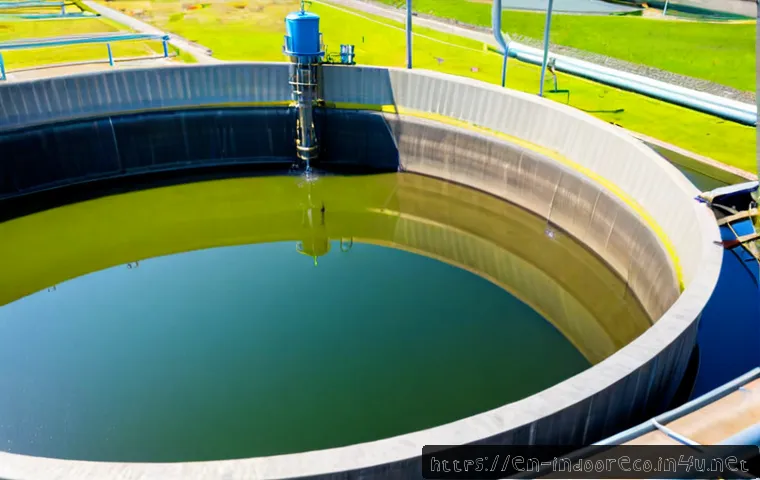
It is not automatically a replacement for mechanical filtration, chemical treatment, or source control. The best fit depends on the incoming pollutant, flow pattern, available space, maintenance capacity, and whether pre-treatment is needed.
Comparing filtration equipment, replacement media, installation requirements, and operating labor before purchase can prevent an expensive mismatch. A simple system may suit a home pond, while wastewater or exhaust applications often require a more detailed design review.
At a Glance
- Biofilters use microorganisms growing on filter media to transform or remove certain pollutants.
- Water biofilters commonly support ammonia conversion, while air biofilters can help manage biodegradable odors and some volatile organic compounds.
- Reliable performance depends on suitable flow, moisture, oxygen, temperature, loading, and ongoing maintenance.
| Decision Factor | Water Biofilter | Air Biofilter |
|---|---|---|
| Typical use | Aquariums, ponds, aquaculture, recirculating water, and selected process-water applications | Odor-control systems for composting, food operations, and industrial exhaust |
| Main biological role | Supports transformation of ammonia into less harmful nitrogen compounds | Helps treat biodegradable odor-causing compounds and some volatile organic compounds |
| Key operating needs | Water flow, oxygen availability, stable water conditions, and clean media pathways | Suitable airflow, moisture, oxygen, and protected media conditions |
| Common maintenance concern | Solids buildup, clogging, inconsistent flow, and harmful chemical exposure | Drying, channeling, unsuitable loading, and media condition |
| Main cost drivers | Filter equipment, media, pumps, plumbing, testing, labor, and installation | Filter media, fans, ducting, site footprint, monitoring, labor, and installation |
What Biofilters Do and When They Are the Right Choice
A biofilter is a treatment unit where microorganisms live on a filter medium. As water or air passes through that medium, the microorganisms can transform or remove certain pollutants. The medium is not merely a physical screen. Its job is to provide surface area for microbial growth while allowing water or air to move through the system.
The Biological Process in Plain Language
Biological filtration works best when the organisms on the media have stable conditions. They need an appropriate environment that may include oxygen, moisture, suitable temperature, pH, and a manageable pollutant load. In a water system, biological filtration commonly supports the conversion of toxic ammonia into less harmful nitrogen compounds. In an air-treatment setup, the biological community can help break down biodegradable odor-causing compounds and some volatile organic compounds.
A new biofilter, or one that has been heavily cleaned, may not deliver consistent treatment immediately. It can require a stabilization period before biological activity becomes more reliable. This matters when comparing a ready-to-install filter unit with an ongoing maintenance plan: equipment is only one part of the system.
Pollutants That May Be Suitable for Biological Treatment
Biofiltration may be a practical option when the target pollutant is compatible with biological treatment and the incoming stream can be kept within manageable operating conditions. For example, ammonia management is a common reason to use biological filtration in aquariums, ponds, aquaculture, and recirculating water systems. In air applications, odor-causing compounds that are biodegradable may be candidates for an odor-control biofilter.
The exact removal performance for a pollutant, site, media type, or system design must be confirmed for the actual application. A filter that suits one pond, process-water stream, or exhaust source may not suit another.
When Mechanical, Chemical, or Other Treatment Methods May Be Needed First
Biological media can be impaired by high solids, oils, chemicals, or pollutant concentrations that interfere with microbial activity. In those situations, pre-treatment may be needed before the stream reaches the biofilter. Mechanical filtration may help manage solids. Other treatment approaches may be considered when biological activity alone is not appropriate for the incoming condition.
This is an important buying point. Do not compare biofilter equipment solely by vessel size or media appearance. Ask whether the proposed setup includes the needed pre-treatment, flow control, monitoring access, and protection from damaging inputs.
Comparing Water and Air Biofilter Applications
Water and air biofilters share the same basic principle: microorganisms grow on media and treat compatible pollutants. Their system layouts, maintenance routines, and installation requirements can be very different. Start by separating your application into a water-treatment path or an air-treatment path.
Aquariums, Ponds, Aquaculture, and Recirculating Water Systems
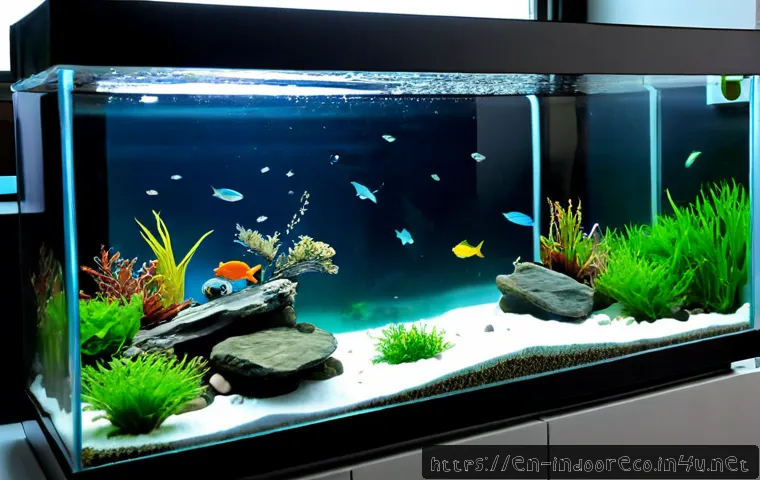
For aquarium and pond keepers, a biofilter is often part of a broader filtration setup. It supports biological conversion of ammonia, while other components may handle visible debris or other water-quality concerns. The filter media needs enough accessible surface area, but it also needs water to pass through it consistently.
Before choosing equipment, consider where the unit will sit, how water will reach it, whether a pump is already in place, and how easily the media can be inspected. A media replacement plan also matters. Cleaning practices should avoid unnecessarily disrupting the microbial community, especially when the filter is still stabilizing.
Wastewater Polishing and Process-Water Treatment
In wastewater polishing or process-water treatment, the design question is more detailed. Incoming solids, oils, chemicals, changes in loading, and inconsistent flow may affect biological activity. A biofilter may form one stage of treatment, rather than the entire solution.
Facility operators should collect available information about the incoming water, operating schedule, and existing treatment steps before requesting equipment or installation quotes. The appropriate system size, hydraulic loading, media type, and layout are application-specific. Those items should be evaluated rather than assumed from a general product description.
Odor Control for Composting, Food Operations, and Industrial Exhaust
Air biofilters may be used where biodegradable odor-causing compounds are present, including certain composting, food-operation, and industrial exhaust situations. The filter medium must allow airflow while maintaining conditions suitable for biological activity. Moisture is especially important: media that dries out may not support consistent treatment.
For an odor-control project, define the exhaust source before comparing air-treatment equipment. Note whether emissions are steady or variable, whether oils or chemicals could affect the media, and whether the available site has enough space for the proposed footprint. Ducting, fans, monitoring access, and weather exposure can all influence the practical installation.
Comparison Table: Performance Needs, Footprint, Monitoring, and Cost Drivers
| Application | What to Evaluate First | Space and Access | Maintenance Risk | Lifecycle Cost Considerations |
|---|---|---|---|---|
| Aquarium or pond | Water flow, ammonia-management need, existing pump, solids control | Access for cleaning and media inspection | Clogging, inconsistent water flow, disruptive cleaning | Filter equipment, media, pump operation, routine labor |
| Recirculating water or aquaculture | Loading pattern, oxygen availability, water conditions, pre-treatment need | Space for plumbing and maintenance work | Overload, chemical exposure, solids accumulation | Equipment, pumps, testing, labor, replacement media |
| Wastewater or process water | Influent condition, solids, oils, chemicals, flow variation | Service access and room for pre-treatment if needed | Shock loads, impaired microbial activity, media blockage | Installation, energy, monitoring, labor, waste handling |
| Odor-control exhaust | Odor source, airflow, moisture needs, pollutant compatibility | Footprint for media bed, fan, ducting, and inspections | Drying, channeling, unsuitable loading, weather exposure | Media, fans, ducting, energy, labor, contractor support |
Costs, System Size, and Value Over Time
The lowest equipment price does not necessarily represent the lowest overall cost. Biofilter value depends on whether the unit can operate consistently in the real site conditions and whether the owner can maintain it. A practical comparison includes upfront equipment and the ongoing work needed to protect biological performance.
Upfront Equipment, Media, Plumbing, Fans, Pumps, and Installation Factors
For water systems, upfront costs may involve the filter housing or vessel, biological media, plumbing, pumps, and installation work. For air systems, the equipment scope may include media, fans, ducting, support structures, and installation. The site layout can change the complexity of either type of project.
Ask equipment suppliers or installation services to explain what is included. A quote may differ because it assumes different media, different access requirements, different plumbing or ducting work, or a different level of system monitoring. Comparing scope line by line is more useful than comparing one total alone.
Ongoing Energy, Testing, Labor, and Replacement-Media Considerations
Operating costs can include energy for pumps or fans, routine inspections, testing where appropriate, labor, and replacement media. The frequency and cost of media replacement cannot be assumed without knowing the operating conditions and media condition. Maintenance also has a value beyond its direct cost: neglected flow paths, drying, or clogging can reduce performance and create additional work later.
A useful lifecycle comparison asks, Who will inspect the system, how will they reach it, and what will they check? If the answer is unclear, an apparently simple filter may become difficult to manage.
When Professional Design or Contractor Support Can Reduce Operating Risk
Professional design or contractor support may be useful when the application has variable loading, possible chemical exposure, complex plumbing or ducting, limited space, or local compliance questions. This does not guarantee a particular treatment outcome. It can, however, help clarify the site conditions that affect system fit and maintenance planning.
For commercial water treatment or odor-control projects, request a clear description of the proposed installation layout, service access, monitoring approach, and assumptions about the incoming stream. Local permitting, discharge limits, odor regulations, and waste-handling requirements should be checked with the relevant local authority or qualified provider.
Installation and Maintenance Mistakes That Reduce Performance
Most biofilter problems are not solved by adding more media after the fact. They often begin with unstable conditions, unsuitable incoming material, poor access, or a maintenance plan that does not match the system. Preventing these issues is usually easier than restoring performance after the microbial community has been disrupted.
Starting Before Microbial Conditions Are Stable
A newly installed or heavily cleaned biofilter may need time to stabilize. Avoid assuming that a new unit will immediately provide consistent biological treatment. Plan for this period, especially if the system is expected to handle a meaningful pollutant load from the first day.
For a pond or aquarium, avoid abrupt changes that may disturb the filter environment. For business applications, document startup conditions and confirm who will observe the system during early operation.
Clogging, Channeling, Drying, Poor Aeration, and Inconsistent Flow
Filter media needs suitable flow. In water systems, solids can contribute to clogging and restrict water movement. In air systems, poor airflow distribution can create channeling, where air bypasses parts of the media. Drying can also reduce the conditions needed for biological activity in an air biofilter.
Inspectability is therefore a selection criterion, not a convenience feature. Choose a setup with practical access to media, flow paths, pumps or fans, and any monitoring points. If a component cannot be checked safely and routinely, maintenance risk increases.
Protecting the System From Oils, Disinfectants, Shock Loads, and Extreme Temperatures
Oils, chemicals, disinfectants, unusually high pollutant loads, and extreme temperature conditions can impair biological activity. Where those conditions are possible, determine whether pre-treatment, source control, or a different treatment approach is needed. Do not rely on a general-purpose biofilter claim when the incoming stream has unusual characteristics.
Outdoor installations also deserve a climate-exposure review. Weather can affect moisture, temperature, access, and equipment protection. The appropriate arrangement depends on the location and system design.
Selecting the Right Setup for Your Application
The right biofilter is the one that matches the pollutant, operating pattern, space, and maintenance resources available. A smaller residential setup and a commercial odor-control installation should not be evaluated with the same checklist, even if both use biological media.
Questions for Homeowners, Pond Keepers, and Aquarium Operators
- Is the main need biological ammonia conversion, visible solids removal, or both?
- Does the planned filter have suitable water flow and access for routine maintenance?
- Will the media be protected from unnecessary disruption during cleaning?
- Is there enough space for the filter, plumbing, pump connections, and safe service access?
- Could chemicals, disinfectants, or sudden changes in water conditions affect the system?
When comparing pond or aquarium filtration equipment, review the media arrangement, plumbing compatibility, pump requirements, and replacement-media availability. The product details page or supplier documentation should clearly state what components are included.
Questions for Facility Managers and Small-Business Operators
- What pollutant or odor source is the system expected to address?
- Are incoming solids, oils, chemicals, or variable loading likely to impair biological treatment?
- Is pre-treatment required before the water or air enters the biofilter?
- What footprint, utility connections, ducting, plumbing, and service access are available?
- Who will handle inspections, monitoring, media maintenance, and contractor coordination?
- Are there local discharge, odor, permitting, or waste-handling requirements to confirm?
For a facility project, a quote is more useful when it includes the assumptions behind the design. Ask whether the proposal addresses flow distribution, media access, moisture or oxygen needs, and protection from harmful incoming materials.
Measurements and Site Details to Collect Before Comparing Equipment or Service Quotes
Collecting the right details makes equipment and installation comparisons more meaningful. Record the application type, the target pollutant, the operating schedule, the pattern of water flow or airflow, available installation space, climate exposure, existing pumps or fans, and any known solids, oils, chemicals, or sudden load changes.
Also identify practical constraints: access doors, drain locations, electrical availability, plumbing routes, duct routes, and the person responsible for maintenance. For wastewater and odor-control applications, confirm what monitoring or local regulatory checks may apply before selecting a final system size or treatment configuration.
Selection Criteria and Comparison Summary
Before buying biofiltration equipment or requesting an installation quote, use this short decision checklist:
- Match the filter to the pollutant: ammonia management in water is a different task from odor treatment in an exhaust stream.
- Review incoming conditions: identify solids, oils, chemicals, variable loading, and other factors that may require pre-treatment.
- Compare lifecycle cost: include equipment, media, pumps or fans, energy, testing, labor, maintenance access, and replacement-media planning.
- Confirm the physical fit: check footprint, plumbing or ducting routes, weather exposure, utility connections, and service clearance.
- Plan for stable operation: account for the stabilization period and avoid maintenance practices that unnecessarily disrupt the biological media.
- Verify outside requirements: confirm applicable local permitting, discharge, odor, and waste-handling obligations for the site.
When comparing products or service providers, check the official product details or quote scope for included media, installation work, maintenance access, and operating assumptions.
Closing Thoughts
Biofiltration can be a practical treatment tool when the pollutant is biologically suitable and the operating environment can remain stable. It is most effective as part of a complete system plan rather than as a stand-alone purchase decision. For a pond or aquarium, focus on water flow, media care, and access. For wastewater or odor control, place equal weight on incoming conditions, pre-treatment, installation layout, monitoring, and maintenance responsibility.
Useful Things to Know
1. Filter media supports microbial growth, but it must also allow appropriate water or air flow.
2. A heavily cleaned or newly installed biofilter may need time before treatment performance becomes consistent.
3. Mechanical filtration or other pre-treatment may be needed when solids, oils, chemicals, or high pollutant concentrations could interfere with biological activity.
4. Maintenance access should be considered before installation, not after the filter is operating.
Important Considerations
Actual pollutant removal efficiency, system size, media selection, airflow, hydraulic loading, layout, equipment cost, and operating cost depend on the specific site and design. Local permitting, discharge limits, odor regulations, and waste-handling requirements also vary. Confirm these details with an appropriate equipment provider, installer, or relevant local authority before making a final purchase or installation decision.
Frequently Asked Questions
Q1. What is a biofilter most commonly used for?
A1. A biofilter is commonly used where microorganisms on filter media can treat certain pollutants. In water systems, it commonly supports the conversion of toxic ammonia into less harmful nitrogen compounds. In air-treatment applications, it can help control biodegradable odor-causing compounds and some volatile organic compounds.
Q2. Is a biofilter suitable for odor control, or is another air-treatment system better?
A2. A biofilter may be suitable for biodegradable odor-causing compounds when airflow, moisture, media condition, and pollutant loading support biological activity. The best approach depends on the exhaust source and incoming conditions. Oils, chemicals, unsuitable pollutant concentrations, or space limitations may mean pre-treatment or another approach should be evaluated.
Q3. What costs should I compare before buying a biofilter system?
A3. Compare the scope of equipment, filter media, pumps or fans, plumbing or ducting, installation, energy use, testing, labor, maintenance access, and replacement-media needs. For larger water-treatment or odor-control projects, also compare the cost and scope of professional design, monitoring, and contractor support.