7 Smart Lighting Tips to Boost Your Indoor Plants Growth Like a Pro

webmaster

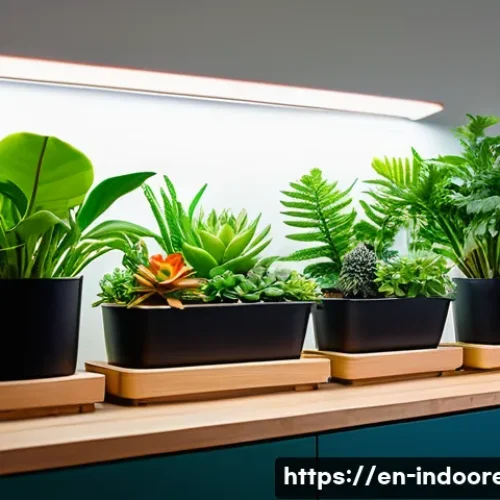
스마트 조명 시스템과 식물 - A modern indoor gardening setup featuring a variety of thriving houseplants like succulents, ferns, ...

Smart lighting systems are revolutionizing the way we care for our indoor plants by providing precise control over light intensity, color, and timing.

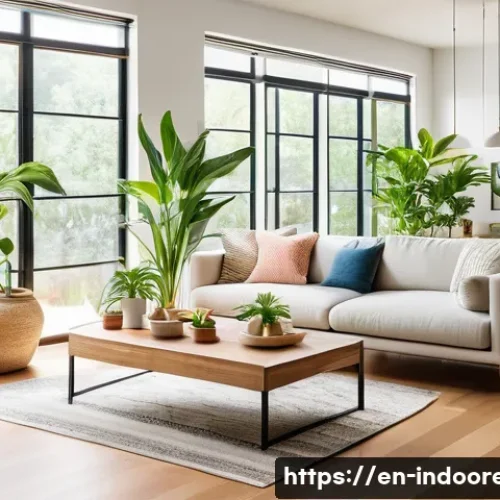
스마트 조명 시스템과 식물 관련 이미지 1

These advanced setups mimic natural sunlight patterns, promoting healthier growth and vibrant foliage even in low-light environments. As technology becomes more affordable and user-friendly, plant enthusiasts are discovering new ways to optimize their green spaces effortlessly.

Whether you’re a seasoned gardener or a casual plant parent, integrating smart lighting can transform your plant care routine. Let’s dive deeper to uncover how these innovations can benefit your leafy friends—stay tuned as we explore the details!

Mastering the Art of Light Customization for Thriving Indoor Greens

Understanding Light Spectrum and Its Impact on Plant Health

Not all light is created equal when it comes to nurturing indoor plants. Different wavelengths within the light spectrum play unique roles in photosynthesis and overall plant development.

Blue light, for instance, encourages leafy growth and keeps plants compact, while red light often promotes flowering and fruiting stages. What’s exciting about modern lighting setups is their ability to fine-tune these spectrums.

By adjusting the balance of blue, red, and even green or far-red light, you can tailor the light environment to your plant species’ specific needs. From my experience, experimenting with spectrum control has made a noticeable difference, especially for plants that usually struggle indoors like succulents and ferns.

Timing and Duration: Mimicking Nature’s Rhythm

Plants evolved with a natural circadian rhythm, responding to the length and intensity of daylight. Smart lighting systems let you replicate this rhythm precisely, adjusting light exposure to simulate sunrise, midday brightness, and sunset hues.

This dynamic scheduling helps plants optimize their photosynthetic cycles and rest periods, which you can’t easily achieve with static grow lights. I’ve personally found that setting gradual dimming and brightening phases reduces stress on sensitive plants and encourages more robust growth.

Plus, it’s a relief not having to remember manual on/off times anymore!

Intensity Control: Avoiding Light Burn and Energy Waste

Too much light can be as harmful as too little. That’s why controlling light intensity is a game changer. Smart lighting allows you to dim or brighten based on the plant’s stage of growth or even room conditions like natural sunlight availability.

For example, seedlings generally require gentler illumination compared to mature plants. Adjusting intensity also means you save on electricity bills while preventing leaf burn or bleaching.

From my trial runs, plants exposed to fine-tuned light intensity showed fewer signs of stress and more consistent development.

Advertisement

Seamless Integration with Home Automation for Effortless Plant Care

Voice Control and Mobile Apps: Convenience at Your Fingertips

One of the coolest perks of these systems is how easily they sync with smart home ecosystems. I love being able to tell my voice assistant to turn on the “plant light mode” without leaving the couch.

Mobile apps offer even more control, with intuitive interfaces to tweak settings anytime, anywhere. This level of convenience means you’re more likely to maintain consistent care routines, which ultimately benefits your plants.

Plus, many apps provide usage stats and growth tips, making the learning curve enjoyable rather than daunting.

Automation and Scheduling: Set It and Forget It

Automated schedules remove the guesswork from plant lighting. You can program lights to turn on and off at optimal times or even adjust dynamically based on weather or season changes if the system supports sensors.

This “set it and forget it” approach is a huge relief for busy plant parents who might otherwise forget daily light adjustments. My personal setup includes a weekend vacation mode, ensuring my plants get proper lighting even when I’m away.

It’s a small investment that pays off in healthier, happier greenery.

Energy Efficiency and Environmental Benefits

Smart lighting is not just good for plants but also for the planet. These systems use LED technology, which consumes significantly less energy than traditional bulbs.

The ability to dim and schedule lights further reduces power usage. Over time, this translates to lower utility bills and a smaller carbon footprint. I’ve noticed my electricity costs drop noticeably since switching to a smart setup, which made the initial investment easier to justify.

For anyone conscious about sustainability, this is a win-win scenario.

Advertisement

Choosing the Right Setup: Matching Technology to Your Plant Collection

Assessing Your Plant Types and Their Light Requirements

Different plants thrive under different lighting conditions, so knowing your collection’s needs is crucial. Tropical plants often prefer higher intensity and a mix of blue and red light, while shade-loving varieties might need softer illumination with more green light.

Taking the time to categorize your plants helps in selecting a system that offers customizable spectrum and intensity control. I recommend creating a simple chart or list that outlines each plant’s ideal lighting parameters before purchasing any equipment.

Types of Smart Lighting Devices: Fixtures, Strips, and Panels

The market offers a variety of form factors, each with its pros and cons. Light panels provide broad, even coverage ideal for larger setups, while LED strips are flexible and great for accentuating shelves or smaller plant clusters.

Fixtures with adjustable arms give directional control, perfect for individual plants needing focused light. I personally use a combination depending on the space and plant arrangement, which allows me to optimize light delivery without cluttering my living area.

Budget Considerations and Long-Term Value

Smart lighting can range from affordable starter kits to premium professional-grade systems. While the upfront cost might seem high, the long-term benefits in plant health, energy savings, and ease of use often justify the expense.

Look for warranties, user reviews, and customer support reputation before investing. My advice is to start with a basic model that meets your immediate needs and upgrade as you grow more confident.

The flexibility to scale up is key for anyone serious about indoor gardening.

Advertisement

Monitoring Growth and Adjusting Light for Optimal Results

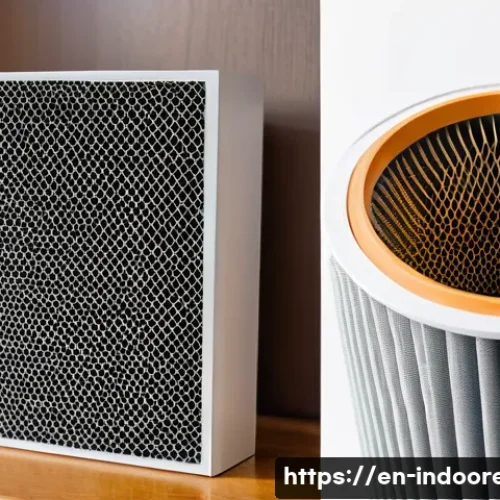
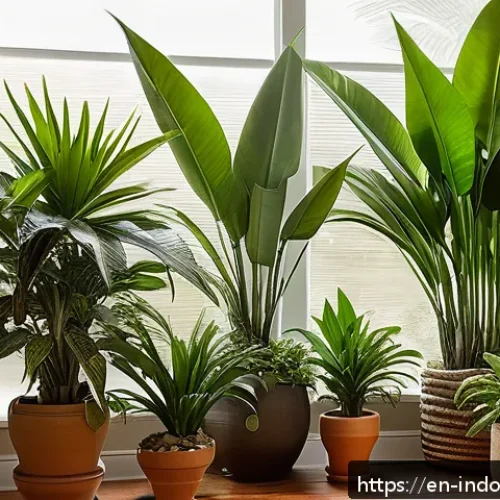
스마트 조명 시스템과 식물 관련 이미지 2

Tracking Plant Responses to Light Changes

Observing how your plants react to different light settings is essential. Signs like leaf color, new growth, and overall vigor tell you whether adjustments are needed.

I keep a simple journal or take photos weekly to compare progress. This practice helped me realize that some plants needed more blue light during the vegetative phase, while others benefited from increased red light before blooming.

Over time, this data collection becomes invaluable for fine-tuning your lighting strategy.

Using Sensors for Real-Time Feedback

Advanced systems incorporate light sensors that measure ambient and artificial light levels, automatically tweaking output to maintain ideal conditions.

This hands-off approach is incredibly effective for maintaining consistency without manual intervention. In my setup, sensors helped prevent overexposure during sunny days and boosted light intensity on cloudy ones, keeping plants happy year-round.

If you have the budget, investing in sensor-equipped devices is a smart move.

Combining Light with Other Growth Factors

Light is just one piece of the puzzle. Temperature, humidity, and watering schedules also influence plant health. Integrating smart lighting with other environmental controls creates a holistic system.

For instance, increasing light intensity might require adjusting watering frequency to prevent drying out. My experience taught me that balancing these variables leads to more vigorous plants and reduces common issues like leaf drop or fungal growth.

Advertisement

Exploring Creative Uses Beyond Basic Illumination

Enhancing Aesthetic Appeal with Color and Effects

Beyond functional benefits, smart lighting can dramatically enhance your indoor garden’s visual appeal. Color-changing LEDs allow you to highlight foliage or create mood lighting that complements your home decor.

I often switch to warmer tones in the evening to create a cozy atmosphere, turning my plant corner into a living art piece. This creative flexibility is one of the most enjoyable aspects of smart lighting, blending technology with interior design.

Supporting Seasonal Adjustments and Plant Cycles

Some plants have specific light requirements tied to seasons, like shorter days triggering dormancy or flowering. Smart lighting enables easy simulation of these cycles indoors, helping plants maintain natural behaviors even when outside conditions differ.

For example, I’ve successfully induced blooming in my Christmas cactus by mimicking shorter day lengths with light timers. This level of control can unlock new possibilities for exotic or seasonal plants.

Encouraging Educational and Therapeutic Benefits

Smart plant lighting also offers opportunities for learning and wellness. Watching plants respond to light changes can be a fascinating educational tool for kids or hobbyists.

Moreover, tending to illuminated plants in a well-lit space has positive effects on mood and stress reduction. I’ve found that having a vibrant, well-lit plant nook in my home boosts my mental clarity and creates a calming environment, especially during darker winter months.

Feature Benefit Personal Insight
Adjustable Spectrum Tailors light to plant growth stages Improved growth and flowering in various plants
Automated Scheduling Consistent light cycles without manual effort Reduced plant stress and easier maintenance
Intensity Control Prevents light burn and saves energy Healthier leaves and lower electricity bills
Integration with Smart Home Convenient control via voice and apps Effortless adjustments and better routine adherence
Sensor Feedback Dynamic light adjustment based on environment Stable growth even with changing natural light
Advertisement

글을 마치며

Mastering light customization for indoor plants unlocks a whole new level of growth and vitality. By understanding and tailoring light spectrum, timing, and intensity, you create an environment where your greens truly thrive. Integrating smart technology not only simplifies care but also enhances your plant’s health and your living space’s ambiance. With a bit of patience and experimentation, anyone can transform their indoor garden into a flourishing sanctuary.

Advertisement

알아두면 쓸모 있는 정보

1. Different plants require specific light spectrums—blue for foliage, red for blooming—so adjusting your light accordingly makes a big difference.

2. Mimicking natural daylight cycles with gradual light changes reduces plant stress and supports healthier growth patterns.

3. Controlling light intensity prevents damage like leaf burn while saving energy and lowering electricity costs.

4. Smart home integration offers hands-free control and automation, making consistent plant care easier and more reliable.

5. Using sensors to monitor ambient light ensures your plants receive the optimal amount of light all year round without guesswork.

Advertisement

핵심 포인트 요약

Effective indoor gardening hinges on customizing light to meet your plants’ unique needs, including spectrum, duration, and intensity. Smart lighting systems provide convenience through automation and app control, fostering consistent care routines that reduce plant stress and improve growth. Selecting the right setup based on your plant types and budget maximizes both results and value. Finally, integrating sensor feedback and considering other environmental factors creates a balanced ecosystem for thriving indoor greens.

Frequently Asked Questions (FAQ) 📖

Q: How do smart lighting systems improve the growth of indoor plants compared to traditional lighting?

A: From my experience, smart lighting systems offer a level of precision that traditional lights simply can’t match. They adjust light intensity, color spectrum, and timing to closely replicate natural sunlight cycles, which helps plants photosynthesize more effectively.
This tailored approach encourages stronger stems, richer foliage, and overall healthier growth, especially for plants kept in spaces with limited natural light.
I noticed that my plants responded much better when their lighting schedule matched their natural rhythms rather than being on a fixed timer.

Q: Are smart lighting systems difficult to set up and manage for someone new to indoor gardening?

A: Honestly, I was a bit intimidated at first, but most smart lighting systems are designed with user-friendliness in mind. Many come with intuitive apps that guide you through setup and allow you to customize settings with just a few taps.
You don’t need to be a tech expert to get started. Plus, some systems even have pre-set modes tailored for common plant types, making it easier to provide the right light conditions without guesswork.
I found that once I got the hang of the app, managing the lights became almost effortless and even fun.

Q: Can smart lighting systems save money or energy in the long run?

A: Definitely. While the initial investment might seem a bit higher than traditional grow lights, smart systems are more energy-efficient because they provide just the right amount of light when plants need it.
I noticed a drop in my electricity bill after switching to a smart setup because the lights automatically dim or turn off when not necessary. Plus, healthier plants mean fewer replacements and less spending on fertilizers or treatments.
So, over time, the savings on energy and plant care really add up, making smart lighting a smart financial choice as well.

📚 References


➤ Link

– Google Search

➤ Link

– Bing Search

➤ Link

– Google Search

➤ Link

– Bing Search

➤ Link

– Google Search

➤ Link

– Bing Search

➤ Link

– Google Search

➤ Link

– Bing Search

➤ Link

– Google Search

➤ Link

– Bing Search

➤ Link

– Google Search

➤ Link

– Bing Search
Advertisement