Ever walked into a room and just felt… stale? Like the air was thick, or perhaps uncomfortably dry, messing with your skin and even your mood?
We’ve all been there! As someone who spends a lot of time indoors, especially working from home, I’ve personally experienced how much indoor air quality, particularly humidity, impacts everything from my focus to my overall well-being.
It’s no secret that the ‘plant parent’ trend has blossomed into a full-blown lifestyle, but it’s far more than just aesthetics. People are increasingly realizing the incredible, often overlooked, power of houseplants to create a healthier, more harmonious living environment.
Forget those clunky, energy-guzzling gadgets; what if I told you that some of nature’s finest could literally balance the moisture in your air, all while looking gorgeous and boosting your spirits?
This isn’t just about pretty greenery; it’s about embracing a simple, sustainable solution that aligns perfectly with the growing focus on wellness and biophilic design in our homes.
From tackling pesky dry skin to preventing mold, these natural humidity heroes are truly game-changers for indoor comfort. Ready to transform your space and breathe easier?
I’ll show you exactly how in the article below!
How Plants Work Their Magic: The Secret to Natural Humidification
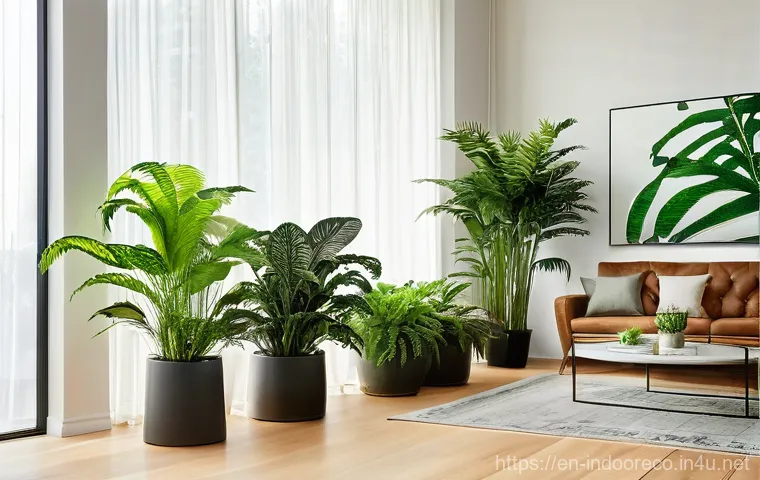
You know, it’s truly incredible how nature has this way of solving problems we often try to tackle with complex gadgets. When it comes to boosting indoor humidity, houseplants are seriously unsung heroes! I remember when I first started my work-from-home journey; my skin felt constantly tight, and my throat was always a little scratchy, especially in the dry winter months. I was running a humidifier non-stop, and honestly, the thought of all that energy consumption didn’t sit right with me. That’s when I really dove into understanding how plants actually contribute to the air we breathe, and it’s fascinating!
The Phenomenon of Evapotranspiration
The magic word here is “evapotranspiration” – sounds fancy, right? But it’s actually a pretty straightforward process. Essentially, plants act like tiny, living humidifiers. They absorb water through their roots from the soil, just like you’d expect. This water then travels up through the stems and into the leaves. Once it reaches the leaves, a portion of that water evaporates into the surrounding air through tiny pores called stomata. It’s essentially a plant’s way of “breathing” and cooling itself, but for us, it means a gentle, continuous release of moisture into our dry indoor spaces. It’s a subtle process, but trust me, over time, a few well-placed plants can make a noticeable difference in how your home feels and how you feel in it.
Creating a Microclimate of Comfort
What’s even cooler is that when you group a few plants together, they create their own little humid microclimate. It’s like they’re having a tiny, steamy spa day together, and we get to reap the benefits! I’ve personally experimented with this in my office. I have a cluster of my favorite humidity-loving plants right near my desk, and I swear, the air around me feels fresher, softer, and just more comfortable. It’s not just in my head either; the combined transpiration from multiple plants significantly enhances the localized humidity, which helps prevent that dry, stale air from settling in and making you feel sluggish. It’s a gentle, consistent boost that those electronic humidifiers sometimes struggle to replicate naturally.
My Top Picks for a Happier, More Humid Home (Tried and Tested!)
Okay, so now that we understand the ‘how,’ let’s get to the ‘who’! Over the years, I’ve tried countless houseplants, and some truly stand out as exceptional at boosting indoor humidity. These aren’t just pretty faces; they’re genuine workhorses that have personally transformed my living spaces. I’ve found that consistency in their care really helps them perform their best, turning your home into a lush, comfortable oasis.
The Unbeatable Spider Plant
If there’s one plant I’d recommend to anyone, it’s the good old Spider Plant (Chlorophytum comosum). Not only is it ridiculously easy to care for (seriously, even if you think you have a black thumb, you can keep one of these alive!), but it’s also a powerhouse when it comes to releasing moisture. I’ve got several of these cascading from hanging baskets in various rooms, and their long, arching leaves just add so much life and texture. Research from 2015 even highlighted them as one of the best for increasing indoor humidity, and NASA studies from the ’80s praised them for air purification, too. They don’t demand much, thriving in bright, indirect light, and prefer consistently moist but not soggy soil. Honestly, watching their little “spiderettes” grow just brings a smile to my face every time!
Lush Ferns and Elegant Palms
Another category I absolutely adore for humidity are ferns and palms. The Boston Fern (Nephrolepis exaltata) is a classic for a reason. They just *scream* tropical humidity! They thrive in humid environments, which makes them perfect for rooms like your bathroom or kitchen where they can really soak up and release moisture. Their lush, feathery fronds are incredibly beautiful, but they do appreciate a bit more attention – keep their soil consistently moist and they’ll reward you with glorious greenery and a noticeable humidity boost. As for palms, the Areca Palm (Dypsis lutescens) is a superstar. These elegant beauties are natural humidifiers, releasing plenty of moisture and looking incredibly chic while doing it. They love bright, indirect sunlight and moist soil, especially during their active growing season. I have a large Areca palm in my living room, and it makes the whole space feel so much more vibrant and alive, almost like bringing a piece of the tropics indoors.
Peace Lilies and Rubber Plants: A Dynamic Duo
And let’s not forget about Peace Lilies (Spathiphyllum) and Rubber Plants (Ficus elastica)! Peace Lilies are not only stunning with their elegant white blooms, but they’re also fantastic at releasing moisture and even purifying the air by removing toxins. I’ve noticed a real difference in air quality when I have a happy Peace Lily around. They do well in lower light conditions but will bloom more in brighter, indirect light. Just be mindful if you have pets, as they can be toxic if ingested. Rubber Plants, with their glossy, broad leaves, are another personal favorite. Their large leaf surface area means they’re excellent at transpiring moisture, contributing significantly to your indoor humidity levels. Plus, they’re surprisingly unfussy, tolerating various conditions and making them ideal for plant beginners. Let their soil dry out a bit between waterings, and they’ll be happy campers.
Here’s a quick overview of some of my favorite humidity-boosting plants and why they’re so fantastic:
| Plant Name | Why It’s a Humidity Hero | Ideal Conditions |
|---|---|---|
| Spider Plant | High transpiration rate, air purification, incredibly easy care. | Bright, indirect light; moist soil. |
| Areca Palm | Significant moisture release, adds tropical elegance. | Bright, indirect light; consistently moist soil. |
| Boston Fern | Excellent at increasing humidity, thrives in dampness. | Indirect light; consistently moist soil; high humidity. |
| Peace Lily | Releases moisture, removes airborne toxins, beautiful blooms. | Low to indirect light; consistent watering. |
| Rubber Plant | Broad leaves release good moisture, easy care. | Bright, indirect to partial shade; let soil dry between waterings. |
| English Ivy | High transpiration rate, good for removing mold spores. | Bright light; slightly dry soil. |
The Science-Backed Benefits of Balanced Indoor Humidity
Beyond just feeling more comfortable, maintaining optimal indoor humidity levels actually has some pretty significant benefits for our health and even our homes. It’s not just about stopping that annoying dry skin; it’s about creating an environment that genuinely supports your well-being. I’ve personally felt the difference, moving from constantly feeling ‘parched’ to genuinely thriving indoors.
Combatting Dry Skin and Respiratory Woes
Think about it: when the air is dry, it literally pulls moisture from everywhere, including your skin and mucous membranes. That’s why you get dry, itchy skin, chapped lips, and those irritating dry sinuses. I used to struggle with nosebleeds in the winter, and since I’ve ramped up my indoor humidity with plants, they’ve practically disappeared! Optimal humidity levels (ideally between 40-60% relative humidity) can significantly alleviate these symptoms, making you feel more hydrated and comfortable overall. It’s also a game-changer for respiratory health. Proper humidity can soothe dry throats and nasal irritation, and some studies even suggest it can reduce the likelihood of catching airborne viruses like the flu, as viruses survive better in very low or very high humidity extremes. This is something I’ve truly come to appreciate, especially during cold and flu season.
Protecting Your Home and Enhancing Comfort
It’s not just about us humans; our homes benefit too! Dry air can actually damage wooden furniture, hardwood floors, and even paint, causing them to crack or warp over time. I remember a few years ago, before my plant collection really took off, I noticed small cracks appearing in some of my older wooden pieces. Since maintaining better humidity, that’s no longer an issue. Furthermore, there’s an interesting phenomenon where adequately humid air actually feels warmer than dry air at the same temperature. This means that by having optimal humidity, you might even find yourself reaching for the thermostat less often, potentially saving a few bucks on your heating bills during those chilly months. It’s a win-win: better for you, better for your wallet, and better for your cherished home items!
Beyond the Basics: Advanced Tips for Your Humidity Heroes
Once you’ve got your leafy companions settled in, there are a few extra tricks I’ve learned that can really help supercharge their humidifying power and keep them thriving. These aren’t just for advanced plant parents; even if you’re relatively new to this, incorporating these simple strategies can make a big difference in how effective your plants are at balancing your indoor air.
Grouping is Gold: Creating a Plant Paradise
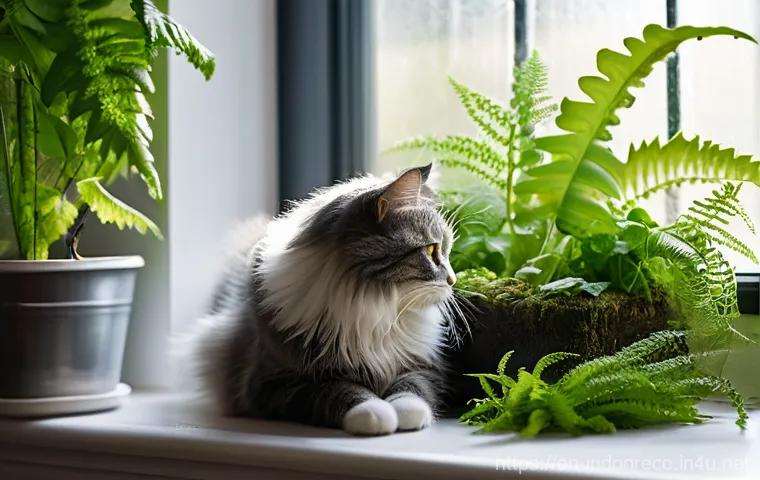
I cannot stress this enough: grouping your plants together is one of the easiest and most effective ways to boost localized humidity. As I mentioned before, plants release moisture through transpiration. When they’re clustered, that moisture gets trapped and creates a little humid microclimate around them, which benefits all the plants in the group and, of course, the air in that specific area. Think of it like a little plant party where everyone contributes to the ambiance! I’ve found that placing my most humidity-loving plants together on a small table or stand in a corner of the room works wonders. It not only looks lush and inviting but also helps them retain moisture more efficiently, leading to happier plants and more humid air for you.
Pebble Trays and Thoughtful Placement
Another fantastic, low-effort tip is to use pebble trays. Grab a shallow tray, fill it with a layer of pebbles, and add water – just enough so the bottom of your plant pot isn’t sitting directly in the water. As the water in the tray evaporates, it increases the humidity directly around your plant. I use these for several of my ferns and they absolutely adore it! Also, consider where you’re placing your plants. Keep them away from drafty windows, external doors, or heat sources like radiators and vents, as these can quickly wick away any moisture the plants are trying to release, creating dry spots and stressing your plants. Instead, think about naturally more humid rooms like your bathroom or kitchen, provided they get adequate light. I’ve even been known to bring some of my tropical beauties into the bathroom for a warm shower every now and then; they truly perk up!
Common Hurdles and How to Overcome Them (No Green Thumb Required!)
Let’s be real, even with the best intentions, plant parenthood isn’t always a smooth journey. We all hit little bumps in the road, especially when trying to optimize for something specific like humidity. But don’t you worry, I’ve run into my fair share of challenges, and I’ve learned a few simple tricks to keep those humidity heroes thriving and working their magic without getting discouraged.
Spotting the Signs of Low Humidity
One of the first things you need to do is learn to “read” your plants. They’re pretty good at telling you when they’re thirsty for more moisture in the air! If you notice the tips or edges of your plant’s leaves turning brown and crispy, or if the entire leaf starts to shrivel and curl, that’s a pretty clear sign of low humidity. Sometimes, new growth might appear stunted or misshapen. I remember panicking when my Calathea started looking sad and crinkly, thinking I was doing something terribly wrong with watering. Turns out, it was just crying out for more moisture in the air. Keeping an eye on these subtle cues allows you to adjust your approach before any serious damage is done. A quick fix like a pebble tray or grouping it with other plants can often turn things around quickly.
Avoiding the Pitfalls of Overwatering and Misting Woes
While we want more humidity in the air, it’s super important not to confuse that with overwatering your plants. Soggy soil is a fast track to root rot, which is a plant killer! Always check the soil moisture before watering – poke your finger an inch or two into the soil; if it feels dry, then water. If it’s still damp, wait a bit longer. It’s a balance! And about misting: while it can offer a temporary humidity boost, it’s not a standalone solution for plants needing high humidity. The effect is often short-lived, and if done improperly or too late in the day, it can sometimes encourage fungal issues on leaves, especially for plants with fuzzy foliage. I usually only mist plants that really love it, like ferns or air plants, and I always do it in the morning so the leaves have plenty of time to dry out. For most plants, focusing on grouping and pebble trays will give you more consistent, long-lasting humidity benefits without the risk.
Choosing Your Green Companions: What Fits Your Space?
Stepping into a nursery or garden center can be overwhelming with all the choices, especially when you’re trying to pick plants for a specific purpose like boosting humidity. It’s not just about which plant transpires the most; it’s also about finding the right fit for your home’s unique light conditions and your lifestyle. I’ve been there, making impulse buys that didn’t quite work out, so I’ve learned to be a bit more strategic in my selections!
Assessing Your Home’s Light and Lifestyle
Before you even think about which plant to bring home, take a good, honest look at your space. How much natural light does each room get? Is it bright, indirect light from a north-facing window, or strong, direct sun from a south-facing one? Most of our humidity-loving tropical plants thrive in bright, indirect light, mimicking their natural jungle canopy environment. Placing a sun-loving plant in a dim corner, or a shade-lover in direct scorching sun, is a recipe for disaster, no matter how much humidity it promises. Also, consider your own schedule. Are you someone who remembers to water every few days, or do you need something more forgiving? There are fantastic low-maintenance options that are still humidity champions! For example, a Spider Plant or a Rubber Plant might be perfect if you’re a bit forgetful, while a Boston Fern or Peace Lily will appreciate more consistent attention. It’s about creating a harmonious relationship, not just adding decor.
Matching Plants to Room Functions
Think about the function of each room. Bathrooms, with their natural steam from showers, are often already a bit more humid, making them perfect sanctuaries for plants like Boston Ferns or English Ivy, provided they get enough light. Kitchens can also be slightly more humid from cooking activities, and a Peace Lily or Spider Plant might thrive there. For a living room or bedroom where you spend a lot of time, a larger Areca Palm or Rubber Plant can make a significant impact on the overall humidity and air quality. I love having a lush plant in my bedroom; it truly makes the air feel crisper and more conducive to a good night’s sleep. And if you have a smaller space or a plant that needs a humidity boost, don’t shy away from terrariums or cloches for a stylish and effective solution. Remember, the goal is to create a living environment that supports both your plants and your well-being!
Wrapping Things Up
And there you have it, my friends! It’s truly amazing how a few leafy companions can utterly transform your indoor environment, isn’t it? Moving beyond just aesthetics, embracing houseplants for natural humidification has been a game-changer for my comfort and well-being, and I honestly believe it can be for you too. I’ve personally experienced the relief from dry skin, scratchy throats, and even those irritating static shocks, all thanks to these quiet, green heroes working their magic. It’s more than just adding decor; it’s about cultivating a healthier, more vibrant living space that genuinely supports you. So, next time you’re thinking about ways to make your home feel a little more like an oasis, remember the humble houseplant – they’re always ready to lend a helping leaf!
Useful Information to Know
1. Master the Art of Grouping for Optimal Humidity: I’ve found that one of the most impactful things you can do is gather your humidity-loving plants into clusters. It’s like they’re having a little tropical party and creating their own steamy microclimate! The moisture released through transpiration by one plant helps increase the ambient humidity for its neighbors, and this collective effort significantly boosts the overall moisture in the air around them. This technique is especially effective for those finicky ferns or peace lilies that truly crave high humidity, making them thrive and contribute more to your home’s comfort. It’s a simple yet incredibly effective strategy that doesn’t require any fancy gadgets, just a bit of thoughtful arrangement.
2. Harness the Power of Pebble Trays for Consistent Moisture: If you’re looking for a low-tech, high-impact solution to localized humidity, pebble trays are your best friend. I swear by them for my more sensitive plants. Simply fill a shallow tray with pebbles and add water, ensuring the plant pot itself isn’t sitting directly in the water. As the water slowly evaporates from the tray, it creates a gentle, consistent plume of humidity right where your plant needs it most. This method provides a steady source of moisture that’s far more effective and less labor-intensive than constant misting, which often only offers a very fleeting boost. Plus, it looks quite lovely and natural under your plants!
3. Become a Plant Whisperer: Decoding Their Humidity Cues: Learning to ‘read’ your plants’ signals is paramount for their health and your humidity goals. They’re pretty good at telling you when they’re not getting enough moisture in the air. Keep an eye out for crispy leaf edges or tips, leaves that are curling inward, or new growth that appears stunted or browned before it even fully develops. I remember the panic when my Monstera deliciosa started showing these signs, and quickly realized it wasn’t my watering, but the dry air. These visual cues are your plant’s way of communicating distress, and recognizing them early allows you to adjust your environment, perhaps by adding a pebble tray or relocating them to a more humid spot, before issues escalate.
4. Strategic Plant Placement: Location, Location, Location! Where you place your plants makes a huge difference, especially when aiming for higher humidity. I’ve learned the hard way that a beautiful plant near a drafty window or next to a heating vent in winter will struggle, as the dry air currents rapidly wick away any moisture they release. Instead, consider naturally more humid areas like bathrooms (if they receive adequate light) or kitchens. Grouping plants in a cozy corner of your living room or bedroom away from direct drafts also helps create that beneficial microclimate. Even rotating plants into these naturally moister rooms for a day or two each week can give them a much-needed boost and keep them performing their humidifying duties effectively. It’s all about observing and adapting to your home’s unique conditions.
5. The Golden Rule: Don’t Confuse Watering with Humidity Needs: This is a mistake I see so many new plant parents make, and I certainly did in my early days! While plants need consistent moisture in the air for humidity, this is entirely separate from their watering needs for their roots. Overwatering is a leading cause of houseplant demise, leading to root rot and fungal issues. Always check the soil moisture before watering – I usually stick my finger about an inch or two deep. If it feels dry, then water thoroughly; if it’s still damp, wait a bit longer. A plant that needs high ambient humidity might still prefer its soil to dry out slightly between waterings. It’s a delicate balance, but understanding this distinction is crucial for keeping your humidity heroes healthy and happy, ensuring they can continue to transpire effectively without succumbing to root issues.
Key Takeaways
So, what’s the big picture here? Simply put, incorporating certain houseplants into your living space isn’t just about adding a touch of green; it’s a powerful, natural way to significantly enhance your indoor air quality and overall comfort. Through the marvelous process of evapotranspiration, these green companions diligently release moisture, acting as living humidifiers that combat the harsh effects of dry indoor air. From mitigating dry skin and respiratory irritation to potentially safeguarding your wooden furniture and even subtly influencing your heating bill, the benefits are far-reaching and deeply personal. Remember, opting for proven humidity heroes like spider plants, areca palms, and peace lilies, while employing strategies such as grouping and pebble trays, can truly make a noticeable difference. It’s about more than just keeping plants alive; it’s about inviting nature’s gentle touch to create a healthier, happier, and more vibrant home environment for everyone.
Frequently Asked Questions (FAQ) 📖
Q: Which houseplants are actually the best for boosting humidity in my home?
A: This is such a great question, and one I get all the time! From my own experience, and after trying out a fair few green friends, I’ve found that certain plants are just humidity superstars.
My absolute go-to recommendations are the Boston Fern, Peace Lily, Areca Palm, and Spider Plant. The Boston Fern, with its lush, feathery fronds, is a champ at transpiration, essentially releasing a good amount of moisture into the air.
I’ve noticed a real difference in rooms where I have a couple of these. Peace Lilies are not only gorgeous but also really efficient; they’re pretty low-maintenance too, which is a huge plus for busy folks like us!
Then there’s the elegant Areca Palm – it’s a powerhouse, known for releasing quite a bit of water vapor and purifying the air simultaneously. And don’t forget the humble Spider Plant; they’re super easy to care for and surprisingly effective.
When I started filling my workspace with these, I swear my skin felt less dry, and I just generally felt more comfortable. It’s all about choosing plants with larger leaf surface areas or those that naturally transpire more.
Trust me, you can’t go wrong starting with these!
Q: How do plants really add moisture to the air, and how much can they truly help?
A: Ah, the science behind the magic! It’s actually quite fascinating. Plants release moisture into the air through a process called transpiration.
Think of it like this: water travels up from the roots, through the stem, and out tiny pores on their leaves, called stomata, as vapor. It’s essentially a natural, living humidifier!
While a single small plant might not transform a desert-dry room overnight, a collection of them can make a noticeable difference. I’ve personally observed that when I group several humidity-loving plants together, especially in a smaller room, the relative humidity can increase by a good 5-10%.
It’s not going to replace a powerful electric humidifier in a huge, arid space, but for a typical living room or bedroom, a strategic arrangement of a few medium to large plants can absolutely take the edge off that dry, irritating air.
Plus, the constant, gentle release of moisture is much more consistent and natural than an on-and-off machine. It’s a subtle yet powerful effect that contributes to a much more pleasant indoor climate.
Q: Are there any downsides to using plants for humidity, like pests or mold?
A: That’s a totally valid concern, and it’s smart to think about! While houseplants are fantastic, you’re right to consider the potential pitfalls. The good news is, with a little know-how, these issues are totally manageable.
The main “downside” people worry about is pests, like fungus gnats, which are attracted to consistently moist soil. My personal trick? Don’t overwater!
Let the top inch or two of soil dry out between waterings. Also, make sure your pots have good drainage. As for mold, it usually only becomes an issue if you have excessively wet soil or stagnant air, especially in a poorly ventilated space.
Good air circulation is key – maybe open a window for a bit each day or use a small fan. I’ve found that using good quality potting mix and ensuring proper drainage prevents 99% of these problems.
If you do spot a pest, neem oil spray is a natural and effective solution. It’s really about mindful care rather than a fundamental flaw. The benefits of improved air quality and mood boosts far outweigh these easily avoidable little challenges, in my humble opinion!