Honestly, who hasn’t winced at a sky-high utility bill after a particularly hot summer or chilly winter? I know I have! But what if I told you your interior design choices could genuinely slash those costs and make your home a haven of comfort, all while doing good for the planet?
Forget outdated notions; today’s energy-efficient solutions aren’t just about solar panels, they’re deeply woven into the very fabric of your living space.
We’re talking about smart zoning, advanced window treatments, and even the colors on your walls contributing to a surprisingly significant difference.
The shift towards truly integrated smart homes, prioritizing both sustainability and your wallet, is no longer a futuristic dream, it’s the now, and understanding these elements is key to a comfortable, cost-effective future.
Let’s peel back the layers and explore exactly how.
Honestly, who hasn’t winced at a sky-high utility bill after a particularly hot summer or chilly winter? I know I have! But what if I told you your interior design choices could genuinely slash those costs and make your home a haven of comfort, all while doing good for the planet?
Forget outdated notions; today’s energy-efficient solutions aren’t just about solar panels, they’re deeply woven into the very fabric of your living space.
We’re talking about smart zoning, advanced window treatments, and even the colors on your walls contributing to a surprisingly significant difference.
The shift towards truly integrated smart homes, prioritizing both sustainability and your wallet, is no longer a futuristic dream, it’s the now, and understanding these elements is key to a comfortable, cost-effective future.
Let’s peel back the layers and explore exactly how.
Mastering Your Windows: A Shield Against the Elements
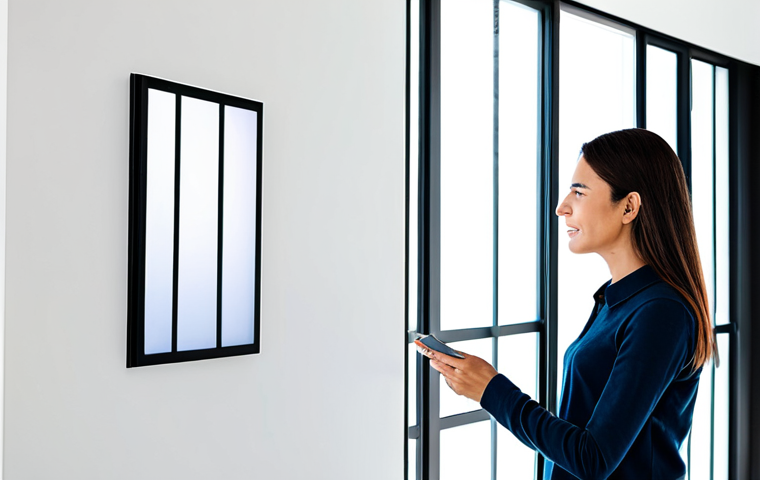
I can’t tell you how many times I used to just *accept* that my living room would feel like an oven in summer and an icebox in winter, all thanks to my large, beautiful windows. It felt like an unavoidable trade-off for natural light. But oh, how wrong I was! My personal journey into energy-efficient design truly began when I realized the incredible potential held within window treatments. It’s not just about privacy or aesthetics; these are your first line of defense against the relentless sun or the biting cold. Neglecting them is like leaving your front door open during a blizzard – you’re just bleeding money and comfort. I’ve experimented with so many options, from simple blinds to custom thermal drapes, and the impact on my energy bills and overall home comfort has been nothing short of astonishing. It feels so good to walk into a consistently comfortable room, knowing I’m not overworking my HVAC system just to compensate for poorly managed windows. It’s about smart design, not just pretty decor.
1. The Unseen Power of Advanced Drapery and Blinds
When I first moved into my current place, the old, flimsy blinds did absolutely nothing to block out the intense afternoon sun. My AC unit was constantly running, trying to fight a losing battle. I remember one scorching August day, I practically melted on my couch! That’s when I invested in some high-quality, insulated blackout drapes for my south-facing windows. The difference was immediate and palpable. The room felt significantly cooler, and the harsh glare vanished. It truly felt like I’d put up an invisible barrier. For winter, these same drapes act as an extra layer of insulation, trapping warm air inside. My own experience showed me that materials like velvet or those with thermal linings are game-changers. And don’t underestimate cellular or honeycomb blinds; their unique structure creates pockets of air that offer fantastic insulation, preventing heat transfer right through the windowpane. I’ve even found that simple roller shades, when properly fitted inside the window frame, can make a surprising difference in managing light and heat.
2. Reflective Films and Double Glazing: Your Home’s Invisible Armor
While drapes and blinds are fantastic, sometimes you want the view without the heat gain. That’s where window films come in, and let me tell you, they are unsung heroes! I applied a low-emissivity (Low-E) film to some of my less-used windows, and the difference in surface temperature of the glass was incredible. On a hot day, you could practically fry an egg on the untreated window, while the filmed one felt only mildly warm to the touch. It allows natural light in while rejecting a significant portion of solar heat. For anyone with older, single-pane windows, this is a relatively inexpensive upgrade that pays dividends. And if you’re lucky enough to be building or renovating, investing in double or even triple glazing is a no-brainer. I toured a friend’s new build recently, and even on a freezing cold day, standing by their double-glazed windows, you couldn’t feel a hint of a draft or cold radiating off the glass. It truly transforms the thermal envelope of your home, creating a stable, comfortable indoor climate no matter what’s happening outside.
The Art of Strategic Color and Material Selection
It sounds almost too simple to be true, doesn’t it? That the very colors you choose for your walls, or the materials you pick for your flooring, could have a tangible impact on your energy bills. But trust me, as someone who’s spent years observing these subtle shifts in my own home, it’s absolutely legitimate. I used to think decor was just about looking pretty, a superficial layer over the “real” work of house maintenance. What a naive thought! Now I see interior design as an incredibly powerful tool for optimizing not just aesthetics, but also functionality, comfort, and yes, energy efficiency. It’s about leveraging the inherent properties of light and matter to create a space that naturally helps regulate its own temperature. It’s a holistic approach that truly makes a difference in how your home feels and performs, month after month. Forget trendy fads; this is about timeless, intelligent design.
1. How Wall Colors Can Trick Your Thermostat (and Your Wallet)
Let me share a quick anecdote. My previous apartment had a very dark, dramatic living room – deep navy walls, heavy dark furniture. It looked chic, but in the summer, it felt like a heat trap. I distinctly remember feeling a noticeable difference in warmth compared to the lighter-colored hallway. That’s because darker colors absorb more light and, consequently, more heat. When I repainted my current living room a light, airy off-white, I was genuinely surprised by how much brighter and cooler it felt, especially on sunny days. It’s not just perception; lighter colors reflect solar radiation, helping to keep your home cooler in warmer climates or during summer months. Conversely, in colder regions or during winter, slightly warmer, mid-tone colors can create a perception of warmth without necessarily absorbing too much heat, allowing you to potentially set your thermostat a degree or two lower. It’s a subtle trick, but cumulative savings are real, and every dollar counts!
2. Flooring and Furnishings: More Than Just Aesthetics
Think about the difference between walking barefoot on cool tiles versus a plush carpet. This isn’t just about comfort; it’s about thermal mass and insulation. Materials like stone, concrete, and ceramic tile have high thermal mass, meaning they absorb and store heat slowly, then release it slowly. In hot climates, if you open windows at night, these floors can cool down and then help keep the house cool during the day. Carpets, on the other hand, provide insulation, helping to retain warmth in colder months or climates. I’ve personally experienced the impact of a thick area rug making a drafty room feel significantly cozier. Similarly, heavy, upholstered furniture can provide more insulation than sleek, minimalist pieces. It’s all about making conscious choices. My advice? Consider the primary function of the room and your local climate. A bedroom in a cold region might benefit from wall-to-wall carpeting, while a sunroom in a warm climate could leverage cool, stone tiles for natural cooling.
Illuminating Efficiency: Beyond the Smart Bulb
For years, I was that person who thought “energy-efficient lighting” just meant swapping out old incandescent bulbs for LEDs. And while that’s a huge step, it’s really just scratching the surface. The true magic, the real financial and environmental impact, comes from rethinking how we use light in our homes entirely. It’s about working *with* natural light, not against it, and then supplementing it intelligently. My journey into optimizing my home’s illumination has been incredibly eye-opening (pun intended!). I’ve discovered that the right lighting design can not only reduce electricity consumption but also enhance mood, productivity, and overall comfort. It’s not about making your home feel dark or stark; it’s about making it feel effortlessly bright and inviting, while secretly saving you a bundle. My favorite part is seeing my electricity bill drop, knowing I haven’t sacrificed an ounce of comfort or functionality.
1. Harnessing Daylight for Brightness and Warmth
This is where passive design truly shines. I’ve learned to position my desk near a large window, leveraging natural daylight for most of my workday. It feels so much better than being under artificial light all day, and it means I don’t have to turn on my overhead lights until well into the evening. Maximizing natural light reduces the need for artificial illumination, which in turn cuts down on electricity use. Think about reflective surfaces too – strategically placed mirrors can bounce light deeper into a room. My living room has a large mirror opposite a window, and it genuinely makes the space feel bigger and brighter, even on overcast days. During winter, letting direct sunlight stream in through south-facing windows can even provide passive solar heating, warming up interior surfaces and contributing to overall room temperature. It’s like getting free heat – who wouldn’t want that?
2. Smart Lighting Systems: Your Personal Energy Manager
Okay, this is where things get really fun and truly smart. Beyond just replacing bulbs, integrating smart lighting systems has been a revelation for me. I can set schedules for my lights to dim or turn off when I leave a room, or based on the time of day. My personal favorite feature is motion sensors in low-traffic areas like hallways and closets. No more accidentally leaving the bathroom light on for hours! These systems go beyond simple on/off switches. They allow for dimming, color temperature adjustments (warmer light in the evenings for relaxation, cooler light during the day for focus), and even integration with natural light sensors. For instance, my kitchen lights automatically dim if there’s enough daylight coming through the skylight. It’s not just about convenience; it’s about ensuring lights are only on at the intensity and duration truly needed. The long-term savings really add up, making the initial investment well worth it.
The Intelligent Home: Taking Control of Your Climate
I remember a few years ago, the idea of a “smart home” felt futuristic, almost intimidating. Now, it’s just… life. And honestly, it’s made my home so much more comfortable and efficient. I used to battle my old thermostat constantly, manually adjusting it up and down, feeling like Goldilocks trying to find that ‘just right’ temperature. It was inefficient, wasteful, and frankly, annoying. But integrating smart home technology, particularly for climate control, has completely revolutionized how I manage my indoor environment. It’s not just about pushing a button on an app; it’s about systems learning your habits, adapting to external conditions, and creating a truly optimized, responsive environment. My utility bills have certainly thanked me, and so has my sanity. It’s less about reacting to discomfort and more about proactively preventing it.
1. Zoning Systems: Heating and Cooling Only Where You Need It
My old house had one central thermostat, and it was a nightmare. The upstairs bedrooms would be roasting while the downstairs living room was freezing, or vice versa. I’d be paying to heat or cool empty rooms! When I looked into solutions, zoning systems immediately caught my eye. This brilliant concept allows you to divide your home into different temperature zones, each with its own thermostat or sensor. I can now keep my rarely-used guest bedroom at a lower temperature, while my home office and living room remain perfectly comfortable. It’s about not wasting energy on spaces that aren’t in use. I saw a significant drop in my heating bill the first winter I had it installed. It just makes so much sense: why pay to heat or cool a space if no one is in it? It truly is tailored comfort and efficiency, and my personal experience has confirmed its immense value.
2. Predictive Thermostats and Smart Vents: Learning Your Habits
This is where the ‘smart’ in smart home really comes alive. My smart thermostat, for example, learned my schedule within a week. It knows when I typically leave for work and lowers the temperature, then starts warming up the house just before I arrive back. It even considers external weather data. I love that it’s proactively managing things without me having to lift a finger. Beyond the thermostat, smart vents are another game-changer. These can be installed in individual rooms and communicate with your smart thermostat. If a room is too cold, the vent opens; if it’s too warm or unoccupied, it closes, redirecting airflow. My personal experience with smart vents in my office, which tends to get warmer due to direct sunlight, has been fantastic. It balances the temperature across the house, preventing hot spots and cold spots, and ensuring the HVAC system operates as efficiently as possible. It truly feels like my house is thinking for itself, and doing a much better job than I ever could.
Furniture’s Role in Airflow and Thermal Distribution
When I first started dabbling in interior design, I thought furniture was purely about aesthetics and comfort. You pick pieces that look good, fit the space, and are comfortable to sit on – simple, right? Wrong! What I’ve learned over the years, often through trial and error (and some surprisingly uncomfortable drafts!), is that the placement of your furniture plays a crucial, often overlooked role in your home’s energy efficiency. It’s all about airflow and how heat and cold naturally move through a space. Blocking vents or radiators, or even just creating barriers to natural air circulation, can make your HVAC system work much harder than it needs to, driving up those utility bills. It’s a testament to how every element in your home, even a seemingly static sofa, can impact its overall energy performance. It’s a fascinating balance to strike between beautiful design and practical efficiency.
1. Avoiding Common Airflow Blunders
I distinctly recall my first apartment. I had this huge, comfy sofa, and naturally, I pushed it right up against the wall, directly over the main heating vent. In winter, I wondered why that side of the room always felt chilly, despite the heat blasting. The answer was simple: I was blocking the airflow! Heat wasn’t circulating effectively. This is a super common mistake. Ensuring that radiators, vents, and registers are completely unobstructed is paramount. Furniture should be placed at least 6-12 inches away from these crucial points to allow for proper air circulation. Similarly, large pieces of furniture shouldn’t block windows, especially if you rely on passive solar gain in winter or natural cross-ventilation in summer. My own experience has taught me that a little bit of strategic space can make a world of difference in a room’s thermal comfort and efficiency. It’s a simple change, but its impact is quite profound.
2. Creating Zones of Comfort with Thoughtful Layouts
Beyond simply avoiding blockages, furniture placement can actually help *create* more energy-efficient zones within a larger open-plan space. For instance, in my open-concept living and dining area, I use a large area rug and the strategic placement of a bookcase and sofa to define the “living zone.” This subtly helps contain the heated or cooled air within that specific area, preventing it from dissipating too quickly into the less-used dining section. In colder climates, you might arrange seating closer together around a heat source (like a fireplace) to create a warm, inviting pocket. In warmer climates, open layouts with minimal obstruction can encourage natural cross-ventilation. My personal strategy is to observe how air moves through my home during different seasons. If I notice a persistent draft or a pocket of stagnant air, I consider how my furniture might be contributing, and then I experiment with moving things around. It’s an ongoing, intuitive process that really fine-tunes your home’s performance.
The Insulated Truth: Why Your Walls and Roof Matter So Much
Let’s be brutally honest: no matter how fancy your smart thermostat is, or how perfectly you’ve arranged your furniture, if your home is leaking air like a sieve, you’re fighting a losing battle. I’ve learned this the hard way! For years, I focused on visible improvements, thinking that was enough. It was only when I actually started feeling drafts around window frames and noticing how quickly my attic would heat up in summer that I realized the true unsung heroes of energy efficiency are insulation and sealing. These aren’t glamorous, you won’t see them on a magazine cover, but they are the foundational elements that keep your home truly comfortable and your energy bills genuinely manageable. It’s like putting on a high-tech coat – it keeps the heat in (or out) and makes all the other efforts so much more effective. My own home dramatically improved once I addressed these foundational issues. It felt like getting a giant, comforting hug from my house!
1. Plugging the Leaks: Weatherstripping and Caulking Miracles
My first home, bless its old heart, was a charming but drafty mess. I remember sitting on the sofa in winter and feeling a distinct cold breeze coming from around the window sills. It was maddening! That’s when I truly discovered the magic of weatherstripping and caulk. These simple, inexpensive materials are absolute game-changers. I spent a weekend methodically going around every single window and door frame, applying new weatherstripping and sealing up cracks with caulk. The difference was immediate and astonishing. Not only did the drafts disappear, but my heating system didn’t have to work nearly as hard. I vividly remember checking my first utility bill after this DIY project – the savings were undeniable. It’s a quick win, a truly impactful home improvement that anyone can do, and it prevents conditioned air from escaping, or unconditioned air from sneaking in. It’s basic physics, but profoundly effective.
2. Attic and Wall Insulation: The Foundation of Thermal Stability
While sealing up visible gaps is crucial, the biggest energy culprits are often hidden from plain sight: your attic and walls. I once had an energy audit done on my home, and the auditor showed me thermal images of my ceiling – it was a patchwork of hot and cold spots where the insulation was thin or missing. It was a wake-up call! Upgrading my attic insulation was probably the single best investment I’ve made for energy efficiency. Heat rises, so a poorly insulated attic is like leaving the top off a thermos. In summer, it’s where heat seeps in, radiating down into your living spaces. In winter, it’s where your expensive heated air escapes. My own experience taught me that adding insulation, whether it’s blown-in cellulose or fiberglass batts, creates a much more stable internal temperature, reducing the load on my HVAC year-round. It’s not a flashy renovation, but its impact on comfort and cost savings is immense and long-lasting.
| Design Element | Primary Energy Efficiency Impact | My Personal Benefit/Experience |
|---|---|---|
| Insulated Blackout Drapes | Reduces heat transfer through windows (gain in summer, loss in winter). | “My living room finally feels consistently cozy; no more chilling drafts or scorching sun!” |
| Light-Colored Wall Paint | Reflects solar heat, keeping rooms cooler. | “On hot summer days, my space feels noticeably brighter and less stifling, saving on AC.” |
| Smart Thermostat | Optimizes HVAC usage based on schedule, occupancy, and external conditions. | “My energy bills dropped significantly, and I don’t even think about adjusting the temperature anymore.” |
| Strategic Furniture Placement | Ensures proper airflow around vents/radiators; defines thermal zones. | “No more cold spots from blocked vents; my rooms heat/cool much more evenly now.” |
| Weatherstripping & Caulking | Seals air leaks around windows and doors, preventing drafts and energy loss. | “The drafts vanished! My home feels tighter and more comfortable, especially on windy days.” |
Closing Thoughts
As I reflect on my own journey of making my home more energy-efficient, I realize it’s less about grand, expensive overhauls and more about a series of conscious, smart choices. Every decision, from the color of your walls to the placement of your sofa, contributes to a more sustainable, comfortable, and cost-effective living space. It’s truly empowering to know that your interior design efforts aren’t just for aesthetics but are actively working to lower your bills and lessen your environmental footprint. So, go ahead, look around your home with new eyes – you might be surprised by the energy-saving potential hidden in plain sight!
Useful Information to Know
1. Energy Audit: Consider scheduling a professional home energy audit. They use specialized tools to identify hidden drafts, insulation deficiencies, and areas where your home is losing the most energy, often providing actionable recommendations for improvements.
2. Tax Credits & Rebates: Many governments and utility companies offer tax credits, rebates, or incentives for energy-efficient home improvements, such as installing new windows, upgrading insulation, or adding smart thermostats. Always check what’s available in your local area before starting a project.
3. HVAC Maintenance: Regular maintenance of your heating, ventilation, and air conditioning (HVAC) system is crucial. Clean filters, annual tune-ups, and ensuring ducts are sealed can dramatically improve efficiency and extend the life of your unit, preventing costly breakdowns.
4. Appliance Efficiency: Beyond interior design, choosing energy-efficient appliances (look for ENERGY STAR ratings) makes a significant difference. Your refrigerator, washing machine, and dryer are major energy consumers; upgrading them can yield substantial long-term savings.
5. Power Strips & Phantom Load: Unplug electronics when not in use or connect them to smart power strips. Many devices consume “phantom load” (or vampire draw) even when turned off but still plugged in, subtly increasing your electricity bill over time. A smart power strip can cut power entirely to idle devices.
Key Takeaways
Your interior design choices are powerful tools for energy efficiency. From maximizing natural light and leveraging thermal properties of materials to integrating smart home tech and addressing foundational insulation, every element plays a role. Strategic window treatments, color choices, furniture placement, and smart climate control create a home that is both comfortable and cost-effective. Investing in these areas not only reduces utility bills but also enhances your home’s overall value and contributes to a more sustainable lifestyle. It’s about designing a smarter, more efficient future, one room at a time.
Frequently Asked Questions (FAQ) 📖
Q: Beyond just turning off lights, how can my interior design choices genuinely lower my energy bills?
A: Honestly, I used to think it was all about the big stuff like insulation, but I’ve personally seen how the seemingly small design choices can make a huge dent in those scary utility bills.
For example, the colors on your walls? Not just for aesthetics! Lighter, reflective colors, especially on exterior-facing walls or in sunny rooms, can bounce natural light deeper into your home, reducing your reliance on artificial lighting during the day.
I tried this in my own living room with a fresh coat of soft white, and it made the space feel so much brighter and actually helped it stay cooler in summer.
Then there’s furniture placement; blocking vents or radiators with a bulky sofa is like throwing money out the window – literally! Just shifting a few pieces can optimize airflow and heat distribution.
Even your flooring plays a role: cozy rugs and carpets can act as an extra layer of insulation, especially on colder floors, which I definitely appreciated last winter in my drafty old house.
It’s about making your home work smarter for you, not harder.
Q: You mentioned ‘smart zoning’ and ‘advanced window treatments.’ Can you explain what those are and how they contribute to energy efficiency?
A: Oh, these two are game-changers, truly! Smart zoning, in simple terms, is like giving your home a brain for its heating and cooling. Instead of blasting the AC or heat through the entire house when you’re only occupying a couple of rooms, smart zoning allows you to control the temperature in different areas independently.
I remember always just cranking the thermostat for the whole house, even if my kids were at school and my partner was at work, which felt incredibly wasteful.
With smart zoning, I can keep the bedrooms a bit cooler at night but let the living area warm up during the day, or even turn off climate control entirely in unoccupied zones.
It’s wildly efficient, and you’re not paying to heat or cool empty space. As for advanced window treatments, we’re talking about more than just pretty curtains.
Think cellular blinds that trap air, acting as an insulating layer, or low-emissivity (Low-E) window films that reflect heat back to its source – keeping heat out in summer and in during winter.
I finally invested in some quality thermal drapes for my north-facing windows last fall, and the difference in warmth, and my heating bill, was astonishing.
They’re like a high-performance jacket for your windows!
Q: This all sounds great, but I’m on a budget.
A: re these energy-efficient design upgrades only for new builds or those with deep pockets? A3: Absolutely not! That’s a common misconception, and frankly, it used to be my fear too.
You don’t need to gut your entire house or take out a second mortgage to start seeing a difference. I’ve learned that it’s all about making smart, incremental changes.
You can start incredibly small: swapping out old incandescent bulbs for energy-efficient LEDs (they pay for themselves quickly, I promise!). Or weatherstripping around drafty doors and windows – a cheap and cheerful weekend project that makes a noticeable difference.
Beyond that, simple design tweaks like strategically placing mirrors to amplify natural light, or just rearranging furniture to optimize airflow, cost you nothing but a bit of effort.
As you save money, you can then consider slightly bigger investments like those cellular blinds or a smart thermostat. It’s a journey, not a destination.
Every little bit truly adds up, not just for your wallet, but for a more comfortable and consciously efficient home. You don’t need to jump straight into solar panels; start with what feels manageable and impactful for your budget right now.
📚 References
Wikipedia Encyclopedia
구글 검색 결과
구글 검색 결과
구글 검색 결과
구글 검색 결과
구글 검색 결과