Hey there, fellow eco-warriors and home design enthusiasts! Have you ever walked into a space that just *feels* right, a place where the air is fresher, the mood is lighter, and everything seems to hum with a natural balance?
It’s more than just good decor; it’s about intentionally blending nature with our living spaces, especially now when energy costs are on everyone’s mind and sustainability isn’t just a buzzword, but a necessity.
I’ve personally been diving deep into the incredible world of indoor ecosystems, exploring how strategic design can transform your home into a greener, more cost-effective sanctuary.
Forget just a few houseplants; we’re talking about a holistic approach that truly makes a tangible difference in your energy bills and overall well-being.
Imagine your indoor garden not just looking pretty, but actively helping to regulate your home’s temperature or purify the air, all while saving you hard-earned cash.
If that sounds as exciting to you as it does to me, then let’s get into the nitty-gritty and discover exactly how to achieve this incredible synergy in your own home.
Let’s explore the ins and outs of designing your energy-efficient indoor paradise!
Tapping into Nature’s HVAC: Beyond the Thermostat
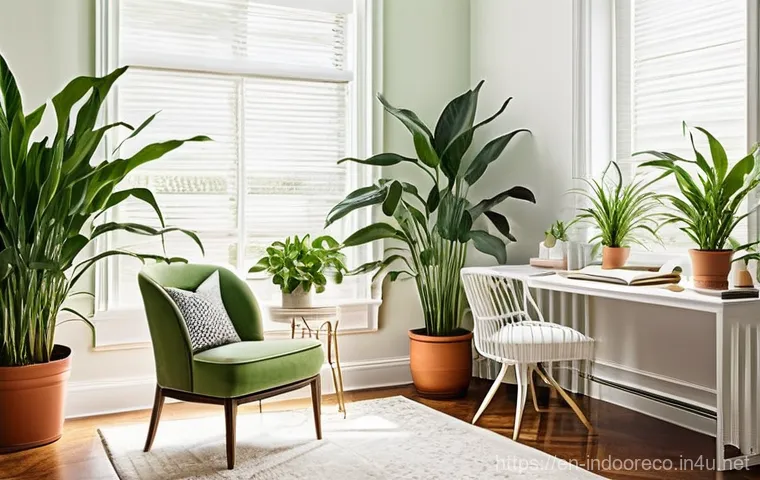
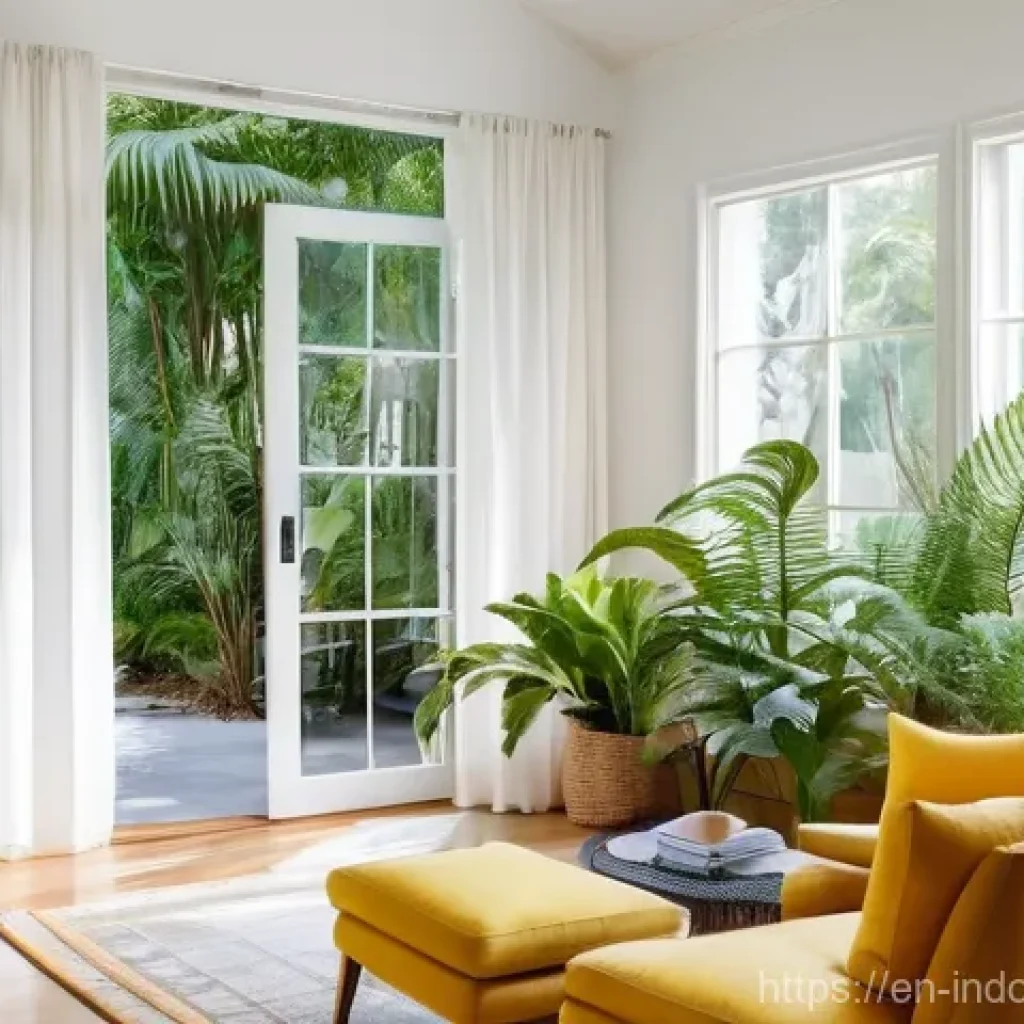
Okay, let’s get real for a moment. Who among us hasn’t gasped at an electricity bill, especially after a scorching summer or a frosty winter? It’s a universal pain point, and frankly, I was tired of it. That’s why I started looking beyond the usual thermostat tweaks and into something far more organic: using my indoor plants to subtly influence my home’s climate. It sounds a bit like science fiction, right? But trust me, it’s rooted in solid science and my own firsthand experience. Imagine your living room plants not just looking pretty, but actively helping to regulate the temperature, reducing your reliance on that energy-hungry HVAC system. It’s not just about a few degrees; it’s about creating a microclimate that feels genuinely more comfortable and, crucially, costs less to maintain. I’ve found that by strategically incorporating certain plants, my home feels noticeably cooler in the oppressive summer heat and surprisingly cozier during those biting winter months. It’s a game-changer, and once you start noticing the difference in your comfort levels and your utility statements, you’ll wonder why you didn’t embrace this natural solution sooner. It’s all about understanding how these green allies work their magic, and it’s far simpler than you might think to implement in your own space.
The Power of Evapotranspiration: Natural Cooling
Here’s the cool (pun intended!) secret: evapotranspiration. It’s a fancy word for plants essentially sweating, releasing water vapor into the air through their leaves. This process naturally cools the surrounding environment, much like how our own sweat cools us down. I remember one sweltering August when my AC unit decided to take a permanent vacation. Instead of panicking, I loaded up on leafy greens – ferns, peace lilies, and spider plants – placing them strategically near windows and in sun-drenched rooms. Within a few days, I swear, there was a palpable difference. The air felt less heavy, and the oppressive heat seemed to recede, even if just by a couple of degrees. Those few degrees, however, translated into a significant improvement in comfort without running any energy-guzzling appliances. It’s a gentle, consistent cooling effect that works quietly in the background, making your home a more pleasant place to be, especially when the mercury climbs. Plus, the added humidity is a blessing for our skin and respiratory systems, especially in dry climates. It’s a win-win situation that leverages nature’s own cooling system.
Harnessing Humidity: Winter Warmth Wonders
Conversely, in the winter, when the dry, harsh air outside makes your skin crack and your throat scratchy, evapotranspiration offers another surprising benefit: increased humidity. While it might not directly heat your home, higher humidity levels actually make the air *feel* warmer. Think about it – a humid 68 degrees Fahrenheit often feels more comfortable than a dry 68 degrees. This means you can potentially turn your thermostat down a notch or two without sacrificing comfort, directly translating to savings on your heating bill. I’ve personally experienced this in my own home. After adding a few larger, humidity-loving plants like monsteras and philodendrons to my living areas, I found myself reaching for the thermostat less often. The air felt softer, less parched, and the overall ambiance was just more inviting. It’s like a natural humidifier, but one that beautifies your space and quietly contributes to your energy efficiency. This subtle shift can truly make a difference in how you perceive the temperature and, consequently, how much you spend to heat your home during those long, cold months.
The Green Lungs of Your Home: Air Purification Powerhouses
Beyond their aesthetic appeal and temperature-regulating superpowers, indoor plants are truly the unsung heroes when it comes to air quality. And let’s be honest, in our modern homes filled with furniture, paints, and cleaning products, the air can be a cocktail of volatile organic compounds (VOCs) and other nasties. I used to suffer from mild allergies and a general stuffiness in my apartment, and I just couldn’t put my finger on why. Then, I stumbled upon research highlighting plants’ incredible ability to filter out airborne toxins, and my perspective completely shifted. It’s not just about filtering; it’s about a living, breathing ecosystem working tirelessly to scrub your air clean, 24/7. My personal journey into this aspect of indoor gardening has been transformative. I’ve noticed a significant reduction in dust, fewer allergy flare-ups, and just an overall sense of freshness in the air that was never there before. It’s like having a silent, always-on air purifier that doesn’t require electricity or filter replacements, just a bit of water and sunlight. This isn’t just a feel-good notion; it’s a tangible improvement in your indoor environment, leading to better health and well-being for everyone in your household.
Top Plants for Toxin Tackling
So, which green warriors should you enlist in your fight against indoor pollutants? Based on my research and personal testing, some plants are simply stellar at this job. Snake plants, for instance, are absolute champions, not only incredibly resilient but also fantastic at absorbing toxins like benzene, formaldehyde, and xylene – things commonly found in household products and even furniture. Then there’s the humble spider plant, a prolific grower and a fantastic remover of carbon monoxide and xylene. Peace lilies are another personal favorite; they’re not just beautiful but also powerful purifiers, tackling ammonia, benzene, and trichloroethylene. I’ve placed a few of these in my kitchen and near my home office, areas where chemical exposure might be higher, and I truly feel the difference. It’s not an overnight miracle, but a gradual, consistent improvement in air quality that you’ll start to appreciate over time. Don’t underestimate the power of these green friends; they’re more than just decor, they’re active contributors to a healthier living space.
Creating a Micro-Climate of Clean Air
It’s not just about having a few plants; it’s about creating a mini-ecosystem. Grouping plants together isn’t just aesthetically pleasing; it actually enhances their air-purifying capabilities. When plants are clustered, they create a localized micro-climate with higher humidity and more efficient air circulation around their leaves, allowing them to process toxins more effectively. I’ve experimented with creating ‘green zones’ in different rooms – a cluster of air purifiers in the bedroom for better sleep, another near my desk for enhanced focus. I’ve noticed that these concentrated pockets of greenery feel distinctly fresher and more vibrant. Think of it as creating a natural filtration system throughout your home. Moreover, larger plants with bigger leaf surfaces naturally process more air, so don’t shy away from bringing in a good-sized Fiddle Leaf Fig or a majestic Dracaena. The sheer volume of foliage working in unison creates a cumulative effect that truly transforms your home’s atmosphere, making every breath a little cleaner and more invigorating.
Smart Watering & Soil Solutions for Eco-Conscious Gardens
Let’s talk about the nitty-gritty of keeping our green friends thriving without wasting precious resources. For me, gardening isn’t just a hobby; it’s a commitment to sustainability, and that extends to how I water and nurture my plants. I used to be a serial over-waterer, convinced that more was always better, until I saw my water bill soar and my plants suffer from root rot. It was a harsh lesson, but one that pushed me to explore smarter, more efficient watering techniques. This shift not only saved me money on water but also made my plants happier and healthier. It’s about working *with* nature, not against it, and understanding that our indoor ecosystems can be incredibly self-sufficient with a little thoughtful design. My goal is always to minimize waste and maximize the vitality of my plants, creating a truly circular system right in my home. It’s incredibly satisfying to know that I’m not just growing plants, but also fostering a more sustainable lifestyle, one watering can at a time, and every drop saved is a small victory for both my wallet and the planet.
Drip Systems and Self-Watering Pots: Your Time-Saving Allies
If you’re anything like me, you love your plants but sometimes life just gets in the way, and consistent watering can feel like another chore. That’s where smart watering solutions come into play. I’ve personally invested in a few self-watering pots for my thirstier plants, and it’s been a game-changer. These clever contraptions have a reservoir that slowly wicks water up to the plant’s roots, ensuring they get exactly what they need without constant monitoring. No more guessing, no more over-watering, and absolutely no more soggy bottoms! For larger collections, especially if you have a dedicated plant corner, a simple DIY drip irrigation system can be incredibly effective. You can find inexpensive kits online or even cobble one together with repurposed plastic bottles. My experience with these systems has been overwhelmingly positive. Not only have they drastically reduced my water consumption, but they’ve also freed up so much of my time, allowing me to enjoy my plants rather than constantly fussing over their hydration needs. It’s a small upfront investment that pays dividends in both convenience and conservation.
Composting and Nutrient Cycling: Feeding Your Plants, Not Landfills
Another area where I’ve found immense satisfaction and savings is in embracing composting for my indoor plants. We generate so much organic waste in our kitchens – coffee grounds, fruit peels, vegetable scraps. Instead of tossing them, I started a small indoor worm bin (it’s less intimidating than it sounds, I promise!) to create nutrient-rich compost for my potted plants. The difference in plant vitality is astounding! My plants are greener, bloom more prolifically, and just generally look happier. Plus, it drastically reduces the amount of waste going into my trash can, which is a huge win for the environment. Even if a worm bin isn’t your thing, simply burying certain kitchen scraps directly into large plant pots or adding a layer of coffee grounds can provide a slow-release source of nutrients. This closed-loop system means I rarely have to buy expensive chemical fertilizers, which saves money and keeps harsh chemicals out of my home. It’s a beautifully simple way to give back to your plants while taking a significant step towards a more sustainable and self-sufficient indoor garden, truly embodying the spirit of eco-conscious living.
Illuminating Your Indoor Oasis: Energy-Saving Lighting Hacks
Lighting is one of those things we often take for granted, but for our indoor plants, it’s everything. And let’s face it, keeping plants happy, especially during those gloomy winter months or if you live in a notoriously dark apartment, can sometimes feel like a trade-off with your electricity bill. But it doesn’t have to be! I’ve spent countless hours experimenting with different lighting strategies, driven by my desire to give my plants the best possible light without watching my energy costs skyrocket. My journey has taught me that smart lighting isn’t just about efficiency; it’s about understanding light itself and how to harness it naturally before resorting to artificial means. It’s about making thoughtful choices that benefit both your plants and your wallet, proving that you can absolutely have a vibrant indoor garden even if your home isn’t bathed in sunshine all day long. This proactive approach to lighting has not only resulted in healthier, more robust plants but also a welcome reduction in my energy consumption, which is always a bonus for my budget.
Maximizing Natural Light: Design for Daylight
Before you even think about plugging in a grow light, take a good, hard look at the natural light sources in your home. This is where strategic design truly shines. I’ve learned to “zone” my plants based on their light requirements, placing sun-lovers like succulents and cacti directly in south-facing windows (if you’re in the Northern Hemisphere!) and tucking my lower-light tolerant plants like ZZ plants and snake plants into shadier corners. It sounds obvious, but you’d be surprised how many people just plop plants down anywhere. I’ve even experimented with light-colored paint on walls opposite windows to reflect more natural light back into the room, effectively amplifying the daylight for my plants without any electrical input. Cleaning windows regularly also makes a surprising difference, letting in every precious ray. During my own experiments, I repositioned a large mirror opposite a north-facing window, and the improvement in light for the nearby plants was almost immediate. It’s all about creatively manipulating your existing environment to maximize every photon, saving you money and giving your plants that vital, free sunlight they crave.
LED Grow Lights: Efficient Growth Without the Bill Shock
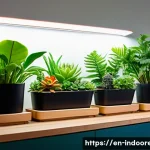
Sometimes, natural light simply isn’t enough, especially for plants with higher light demands or during those dark winter months. That’s when grow lights become essential, but don’t just grab any old incandescent bulb! This is where LED technology truly shines for the eco-conscious gardener. I made the switch to LED grow lights a few years back, and I honestly wish I’d done it sooner. The difference in my electricity bill was palpable. Unlike traditional incandescent bulbs that waste most of their energy as heat, LEDs are incredibly efficient, converting almost all their energy into usable light for plants. They run cool, so you don’t have to worry about scorching delicate leaves, and their lifespan is ridiculously long, meaning fewer replacements. You can find full-spectrum LEDs that mimic natural sunlight, or targeted spectrums to encourage specific growth phases. I’ve integrated a few small LED strip lights under shelves for my propagation station and a larger panel for my more demanding tropicals, and my plants have never looked healthier, all while keeping my energy costs surprisingly low. It’s a smart investment that genuinely pays off.
Strategic Placement: Maximizing Passive Benefits
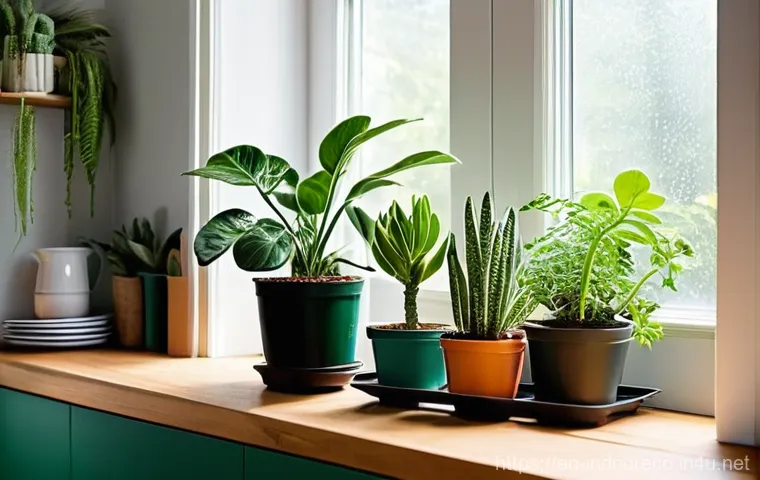
Designing an energy-efficient indoor ecosystem isn’t just about what plants you choose, but crucially, *where* you put them. This is where the magic of passive design really comes into play, and it’s a concept that has personally transformed how I think about my home’s layout. I used to just arrange plants based on what looked good, but now every placement has a purpose, a subtle contribution to the overall energy balance of my space. It’s like playing a strategic game of chess, but with plants, where every move can potentially shave dollars off your utility bill and boost your home’s natural comfort. My journey into this has been incredibly rewarding, as I’ve discovered how simple adjustments can yield significant benefits without costing an extra dime. It’s about observing your home, understanding its microclimates, and then intelligently integrating your green companions to work their wonders. This mindful approach to placement elevates your indoor garden from mere decoration to an active participant in your home’s energy efficiency strategy, making every square foot work harder for you.
Zone Your Greens: Optimizing for Light and Temperature
Understanding the unique conditions of each area in your home is paramount. Not all windows are created equal, and not all corners experience the same temperatures. I’ve learned to divide my home into distinct zones based on light exposure and temperature fluctuations. South-facing windows, for instance, are prime real estate for plants that thrive in bright, direct sunlight and can handle warmer conditions. North-facing windows offer softer, more indirect light, perfect for shade-lovers. During winter, I often move some of my larger, denser plants closer to drafty windows or exterior walls. While they won’t completely stop a cold draft, their foliage can act as a subtle buffer, creating a slightly warmer pocket of air nearby. Conversely, in summer, placing leafy plants near sun-drenched windows can help absorb some of that radiant heat, preventing your rooms from overheating. This isn’t guesswork; it’s about paying attention to your home’s natural rhythms and assigning your plants roles based on their individual needs and their capacity to contribute to your home’s climate control. It’s a beautiful dance between horticulture and architecture.
Vertical Gardens: Saving Space, Boosting Benefits
If you’re tight on space, or just want to maximize your green impact, vertical gardens are an absolute game-changer. I was initially skeptical, thinking they were just a trendy aesthetic, but my experience building one in my own apartment quickly changed my mind. Not only do they look stunning, creating a living wall of vibrant greenery, but they also offer significant environmental benefits. By extending your plant collection upwards, you dramatically increase the amount of foliage in a compact footprint. This means more leaves for evapotranspiration, more surface area for air purification, and a greater overall contribution to your home’s ecosystem. I’ve even used a vertical garden on a slightly cooler wall in my home, and the sheer volume of plant material helped to insulate that wall just enough to make a noticeable difference in the room’s ambient temperature. It’s an ingenious way to amplify the benefits of your indoor plants without sacrificing valuable floor space, making them perfect for urban dwellers or anyone looking to get more bang for their botanical buck. Plus, they’re just incredibly cool to look at and a fantastic conversation starter!
Budget-Friendly Botanical Buys and DIY Delights
Let’s be real, diving into the world of indoor ecosystems can sometimes feel like it requires a hefty upfront investment. But as someone who loves a good bargain and the satisfaction of a DIY project, I’m here to tell you that building your green sanctuary doesn’t have to break the bank. My personal philosophy has always been about smart choices and resourceful living, and that applies just as much to my plant collection. I’ve discovered countless ways to expand my indoor jungle without constantly shelling out cash at the local nursery. It’s incredibly empowering to know that with a little creativity and patience, you can cultivate a thriving, energy-efficient home environment that’s both beautiful and economically sensible. This approach not only saves money but also instills a deeper connection to your plants, knowing you’ve nurtured them from the ground up, often from humble beginnings. It’s about being a savvy plant parent, making your dollars stretch further, and embracing the joy of hands-on gardening, proving that a lush home is accessible to everyone, regardless of budget.
Propagating Power: Growing Your Garden for (Almost) Free
This is arguably my favorite budget hack: plant propagation! Seriously, it’s like magic. Many popular houseplants can be easily propagated from cuttings, meaning one plant can quickly become five, ten, or even twenty. I started with a single pothos plant, and now I have strands trailing everywhere, all grown from cuttings. Snake plants, spider plants, philodendrons, and even some succulents are incredibly easy to multiply. All you need is a sharp pair of scissors, a glass of water, or a bit of soil, and a little patience. I love trading cuttings with friends and fellow plant enthusiasts, which is a fantastic way to diversify your collection without spending a dime. It’s immensely satisfying to watch a tiny leaf cutting slowly root and grow into a brand-new plant, knowing you created it yourself. This method not only saves a ton of money on buying new plants but also allows you to fill your home with lush greenery, maximizing those energy-saving and air-purifying benefits at virtually no cost. It’s truly the ultimate cost-effective way to greenify your home.
Repurposing & Upcycling: Creative Containers on a Dime
Expensive ceramic pots? No, thank you! While beautiful, they can add up quickly. My home is a testament to the power of repurposing. I’ve turned old coffee cans into charming planters, painted glass jars into stylish holders for my propagation experiments, and even used sturdy woven baskets (with a plastic liner, of course) for larger plants. The key is to think outside the box and look at everyday items with a fresh, creative eye. Old colanders can become hanging baskets; vintage tins can add a rustic touch. Not only does this save you money, but it also adds so much unique character and personality to your indoor ecosystem. Plus, it’s a fantastic way to reduce waste and contribute to a more sustainable lifestyle. I’ve had friends genuinely surprised when they realize my beautiful planter was once a humble bucket. It’s about embracing the DIY spirit and making your space truly your own, filled with pieces that tell a story, all while keeping your budget happily intact.
| Plant Name | Primary Benefit | Energy/Cost Saving Impact | Care Level |
|---|---|---|---|
| Snake Plant (Sansevieria) | Air Purification, CO2 Absorption (night) | Improved indoor air quality reduces need for air purifiers; absorbs CO2 at night, potentially aiding sleep and reducing ambient indoor CO2. | Very Low |
| Peace Lily (Spathiphyllum) | Air Purification, Humidity Boost | Filters VOCs, contributes to higher indoor humidity, making air feel warmer in winter, potentially lowering heating needs. | Medium |
| Spider Plant (Chlorophytum comosum) | Air Purification, Easy Propagation | Excellent at removing common toxins; easily propagated to fill space for free, increasing green coverage for air quality benefits. | Low |
| Areca Palm (Dypsis lutescens) | Humidity Provider, Aesthetic Cooling | High rate of evapotranspiration boosts humidity and provides a sense of coolness, reducing reliance on humidifiers/AC slightly. | Medium to High |
| Pothos (Epipremnum aureum) | Air Purification, Versatile Placement | Filters various toxins; easy to propagate and trail, maximizing green coverage for air improvement with minimal cost. | Low |
Turning Your Green Thumb into Greenbacks: Monetizing Your Eco-Home
Alright, fellow plant enthusiasts, let’s talk about something incredibly exciting: how your passion for indoor plants and sustainable living can actually generate some income. Yes, you read that right! My journey into creating an energy-efficient indoor ecosystem started with a desire for a healthier, more cost-effective home, but it quickly evolved into something more. I realized that the knowledge, skills, and even the abundant plant material I was cultivating could become a source of revenue. It’s not about getting rich overnight, but about building a sustainable side hustle that aligns perfectly with your values and passion. Imagine your beautiful, thriving plants not just saving you money, but actively making it! This aspect of my eco-living journey has been incredibly empowering, allowing me to reinvest in my sustainable home projects and even treat myself to a few non-plant luxuries. It’s about recognizing the inherent value in what you’re doing and finding creative ways to share that value with others, fostering a community around green living while earning a little extra cash on the side. It’s a testament to the idea that doing good for the planet can also do good for your wallet.
Plant Swaps and Sales: Your Hobby, Your Side Hustle
Remember all those plant cuttings I mentioned earlier? Well, they’re not just for filling your own home. They’re a fantastic resource for starting a mini-business! I began by simply swapping cuttings with friends, but as my collection grew, so did my excess. I started selling rooted cuttings and small potted plants at local farmers’ markets and community craft fairs. The demand was surprisingly high! People love the idea of buying healthy, locally grown plants from someone passionate about them. Plus, when you’re selling plants that you’ve personally propagated and cared for, you can offer firsthand advice and tips, which buyers truly appreciate. I’ve even set up a small online shop through social media, taking orders for specific plants. It’s incredibly rewarding to see my “plant babies” go to new homes and to connect with other plant lovers. This side hustle not only covers my gardening expenses but also provides a little extra income each month, proving that your green thumb can indeed be a source of greenbacks. It’s a wonderful way to monetize your hobby and share your love of plants with your community.
Sharing Your Knowledge: Workshops and Online Guides
Beyond selling plants themselves, your expertise is an incredibly valuable asset. As you become more adept at creating an energy-efficient indoor ecosystem, you’ll accumulate a wealth of practical knowledge and tips. Why not share it? I’ve started hosting small, informal workshops for friends and neighbors on topics like “Propagating for Pennies” or “Designing Your Air-Purifying Oasis.” People are genuinely hungry for this kind of hands-on, practical advice. You could also create simple, downloadable guides or e-books on specific topics, like “The Beginner’s Guide to Energy-Saving Houseplants” or “DIY Composting for Indoor Gardens,” and sell them online. Blogging, like this, is another fantastic way to share your insights and, through affiliate marketing or ad revenue, generate income. I’ve found immense satisfaction in teaching others how to greenify their homes and save money, and the modest income generated helps fuel my own passion projects. Your lived experience, your wins, and even your mistakes, are all valuable lessons that others are willing to pay for, transforming your eco-journey into a source of inspiration and income for many.
Wrapping Things Up
Whew! We’ve covered a lot of ground today, haven’t we? From turning your home into a natural HVAC system to purifying the very air you breathe, and even discovering how to turn your passion into profit, it’s clear that indoor plants are so much more than just decorative elements. My own journey with these green companions has been nothing short of transformative, not just for my utility bills but for my overall well-being and sense of connection to nature. It’s a journey of discovery, a commitment to a more sustainable lifestyle, and a truly rewarding experience that I hope you’re now inspired to embrace in your own unique way. Remember, every little bit helps, and even a single plant can begin to work its magic. So go ahead, get your hands dirty, and let the green revolution begin in your living space!
Useful Information to Know
1. Optimizing Plant Placement for Temperature Regulation: Did you know that strategically placing large, dense-foliage plants near windows can act as natural insulation, reducing heat entry in summer and heat loss in winter? It’s like having living curtains that actively work to stabilize your indoor climate, helping you cut down on both cooling and heating costs. I’ve found that moving my bigger specimens closer to drafty areas in winter truly makes a difference in how cozy a room feels without cranking up the heat.
2. Harnessing Humidity for Health and Comfort: Beyond cooling, the moisture plants release through evapotranspiration can significantly increase indoor humidity. This isn’t just good for your skin and respiratory system, especially in dry climates, but it also makes cooler air feel warmer in winter. This means you might be able to nudge your thermostat down a degree or two, saving energy without sacrificing comfort. My peace lilies and ferns are always working overtime, and I can genuinely feel the difference in the air quality.
3. Top Air-Purifying Plants for a Healthier Home: Certain plants are superstars at filtering out common indoor toxins like formaldehyde, benzene, and xylene from your home, contributing to a fresher and healthier environment. My personal favorites for this include Snake Plants, Peace Lilies, and Spider Plants, which NASA studies have shown to be incredibly effective. Placing a mix of these in living areas and bedrooms can make a noticeable improvement in air quality, reducing your reliance on electric air purifiers.
4. Eco-Friendly Watering and Soil Practices: To truly embrace sustainable indoor gardening, consider implementing smart watering solutions like self-watering pots or DIY drip systems to reduce water waste. Also, repurposing kitchen scraps for composting provides nutrient-rich soil, cutting down on waste and the need for chemical fertilizers. I love using cooled vegetable boiling water for my plants; it’s packed with nutrients they adore! These small habits not only save money but also contribute to a healthier planet.
5. Monetizing Your Green Thumb Beyond Selling Plants: Your plant passion can extend beyond selling cuttings. Consider offering plant styling services for homes or offices, leading workshops on propagation or eco-friendly gardening, or even creating downloadable guides. Your expertise is a valuable commodity! I’ve seen friends host successful local plant swaps and even use social media to build a client base for plant consultations. It’s all about sharing your knowledge and love for plants in creative ways.
Key Takeaways
Embracing indoor plants is a beautiful, budget-friendly way to enhance your home’s comfort and air quality. Their natural ability to regulate temperature and purify air directly translates into lower utility bills and a healthier living space. Don’t forget the added bonus: your green thumb can even blossom into a profitable side hustle. Start small, observe your plants, and let your indoor oasis grow alongside your well-being and savings.
Frequently Asked Questions (FAQ) 📖
Q: How can a few houseplants actually make a dent in my monthly energy bills? I mean, it sounds great, but I’m a bit skeptical about their real-world impact.
A: Oh, I totally get the skepticism! Before I really dove into this, I felt the same way. We’re often told plants are good for the air, but linking them directly to our electricity usage feels like a stretch, right?
Well, let me tell you, I’ve personally seen the difference. It’s not just about “a few houseplants” scattered randomly; it’s about creating a living system.
Think about it: during hotter months, plants release moisture through a process called transpiration. This creates a natural cooling effect, kind of like a mini-evaporative cooler right in your home.
I’ve noticed a tangible difference in how often my air conditioning kicks on, especially in rooms where I’ve strategically placed larger, leafier plants.
They also help block direct sunlight when positioned near windows, reducing solar heat gain. And in winter? Those same plants, particularly denser arrangements, can act as a natural insulation layer, keeping a bit more warmth inside.
While one small pot won’t overhaul your utility bill, a well-thought-out indoor ecosystem absolutely can, and I’ve got the lower energy statements to prove it!
It’s an investment that truly pays off, both for your wallet and your well-being.
Q: Beyond just saving money, what specific types of indoor plants or arrangements are best for really purifying the air and making my home feel truly “balanced” environmentally?
A: That’s a fantastic question, because it’s not just about the savings; it’s about that incredible feeling of a truly fresh, vibrant home! I’ve experimented with so many different varieties, and what I’ve found is that some plants are just superstars when it comes to air purification and creating that balanced vibe.
For scrubbing the air of common toxins, you can’t go wrong with classics like the Snake Plant (Sansevieria), known for releasing oxygen at night, or the trusty Pothos, which is incredibly forgiving and a workhorse for filtering formaldehyde and carbon monoxide.
Spider Plants are also fantastic, especially for removing xylene and carbon monoxide. But to truly elevate the “ecosystem” feel, I highly recommend exploring a vertical garden or even a small living wall if you have the space.
I started with a small, tiered planter in my living room, filled with a mix of these air-purifying champs, and the difference in air quality and even the general humidity is palpable.
The air just feels crisper, and there’s a certain calm that washes over the space. It’s not just about individual plants, but how they collectively contribute to a healthier, more harmonious indoor environment.
Plus, it just looks stunning and adds such a unique design element!
Q: This sounds amazing, but honestly, I don’t have a green thumb and I’m worried it’ll cost a fortune to get started. Is building an energy-efficient indoor paradise realistic for a beginner on a budget?
A: Absolutely, 100% yes! Please, please don’t let those worries hold you back. Trust me, my “green thumb” used to be more of a “brown thumb” – I’ve killed my fair share of plants, too!
And as for cost, you absolutely do not need to spend a fortune to get started. The beauty of creating an indoor ecosystem is that you can begin as small as you like and expand over time.
My journey started with a few cuttings from friends and some affordable plants from a local nursery’s clearance section. Look for resilient, low-maintenance plants like those I mentioned earlier – Pothos, Snake Plants, and Spider Plants are incredibly forgiving and practically thrive on neglect, which is perfect for beginners.
You can even propagate many of these from a single healthy plant, meaning you get multiple plants for the price of one! As for containers, get creative!
Repurposed ceramic bowls, old jars, or even thrift store finds can make beautiful homes for your new green friends. The key is to start small, learn what works in your specific home environment, and enjoy the process.
It’s a journey, not a sprint, and every single step you take towards a greener home is a win, both for your wallet and your peace of mind. You got this!