You know, there’s something truly magical about the way our pets weave themselves into the fabric of our homes. But have you ever stopped to consider how their presence, combined with our ever-evolving indoor living spaces, creates a unique, living ecosystem right under our noses?
It’s more than just a cat napping on a sunbeam or a dog enjoying a backyard; it’s a dynamic interplay of air quality, plant life, and even our own well-being.
As someone who’s constantly tweaking my own living space to be more harmonious for both me and my furry companions, I’ve personally noticed how much impact a truly balanced indoor environment can have.
We’re talking about everything from air purifiers that tackle pet dander to biophilic design concepts that make our homes feel like a natural extension of the outdoors, even for our pets.
This isn’t just about aesthetics; it’s about a holistic approach to living that benefits everyone, two-legged and four-legged alike. The latest trends, driven by smart home tech and a deeper understanding of pet wellness, are pushing us towards integrating things like automated climate control and even specialized plant species that are safe and beneficial for our animal friends.
Frankly, it’s exciting to think about the future of pet-centric smart homes. Let’s explore precisely how to achieve this synergy in your own home.
You know, there’s something truly magical about the way our pets weave themselves into the fabric of our homes. But have you ever stopped to consider how their presence, combined with our ever-evolving indoor living spaces, creates a unique, living ecosystem right under our noses?
It’s more than just a cat napping on a sunbeam or a dog enjoying a backyard; it’s a dynamic interplay of air quality, plant life, and even our own well-being.
As someone who’s constantly tweaking my own living space to be more harmonious for both me and my furry companions, I’ve personally noticed how much impact a truly balanced indoor environment can have.
We’re talking about everything from air purifiers that tackle pet dander to biophilic design concepts that make our homes feel like a natural extension of the outdoors, even for our pets.
This isn’t just about aesthetics; it’s about a holistic approach to living that benefits everyone, two-legged and four-legged alike. The latest trends, driven by smart home tech and a deeper understanding of pet wellness, are pushing us towards integrating things like automated climate control and even specialized plant species that are safe and beneficial for our animal friends.
Frankly, it’s exciting to think about the future of pet-centric smart homes. Let’s explore precisely how to achieve this synergy in your own home.
Optimizing Indoor Air Quality for Our Beloved Companions
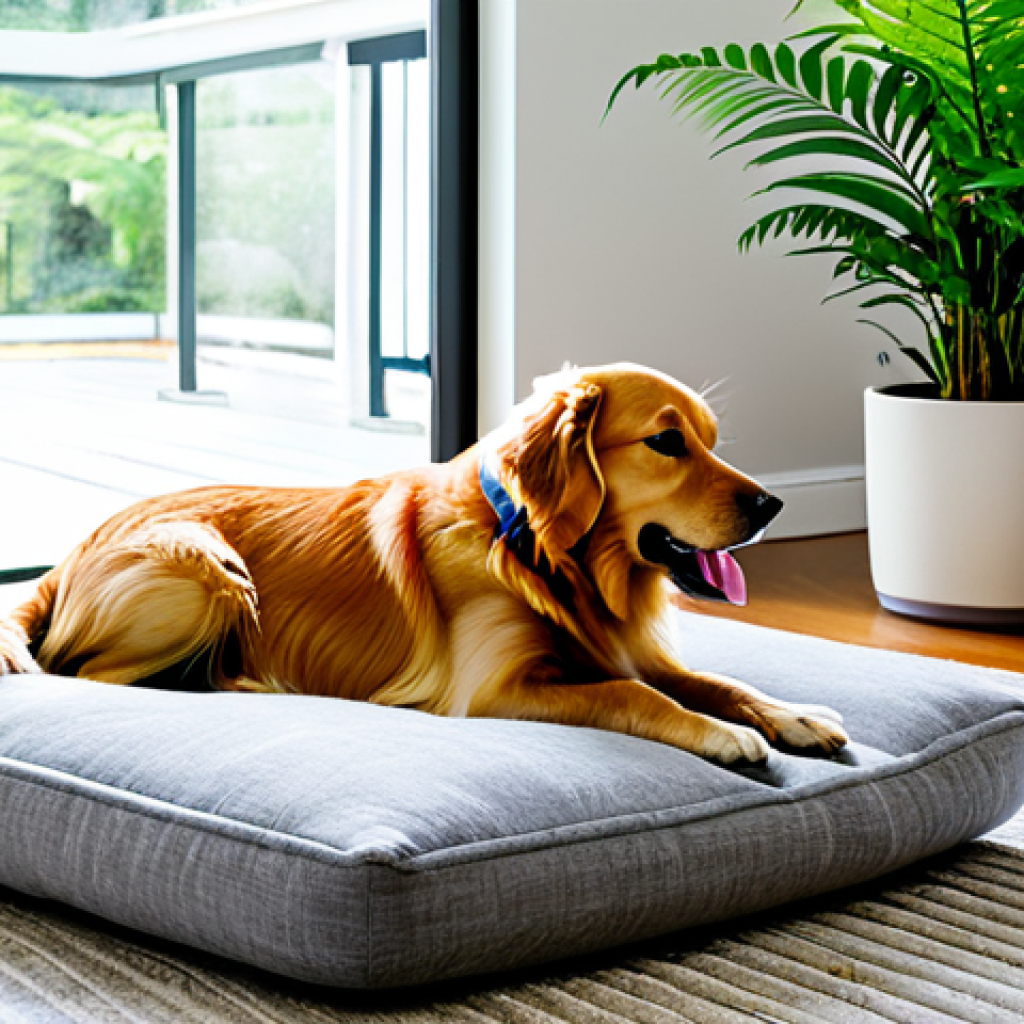
One of the most critical, yet often overlooked, aspects of creating a truly harmonious indoor environment for our pets is the quality of the air they breathe. Just like us, animals are susceptible to airborne allergens, pollutants, and irritants, especially those from pet dander itself, dust mites, pollen tracked in from outside, and even volatile organic compounds (VOCs) from household cleaners or new furniture. I remember vividly when my senior dog started showing signs of increased coughing indoors; after ruling out other issues, I realized it was likely related to the older carpet and general dust buildup. It was a wake-up call that simply vacuuming wasn’t enough. Implementing robust air purification systems tailored to pet households became a game-changer, not just for him but for my own allergies too. It’s about creating an invisible shield that helps them thrive, reducing respiratory stress and promoting overall vitality. Think about it: our pets spend the vast majority of their lives indoors, so the air quality directly impacts their long-term health and comfort in ways we might not immediately perceive.
1. Choosing the Right Air Purifiers for Pet Households
When you’re wading through the sea of air purifiers, it’s easy to feel overwhelmed. My personal journey led me to prioritize units with true HEPA filters, which are absolutely essential for capturing pet dander, hair, and other fine particles that trigger allergies. Beyond HEPA, activated carbon filters are a must-have for neutralizing pet odors, which, let’s be honest, can be a major challenge even in the cleanest homes. I’ve found that placing smaller units in high-traffic pet areas, like where your dog sleeps or where the litter box is located, significantly improves localized air quality, while a larger, whole-house system tackles the broader environment. Consider the CADR (Clean Air Delivery Rate) specific to the room size you’re targeting to ensure efficient air turnover. Don’t just pick the cheapest option; invest in quality for their (and your) respiratory health.
2. Beyond Filtration: Ventilation and Humidity Control
Air purification is only one piece of the puzzle; proper ventilation is equally crucial. Stagnant air allows pollutants to accumulate, so regularly opening windows, even for just 10-15 minutes a day, can make a huge difference. If you live in an area with high outdoor pollution or extreme temperatures, consider energy recovery ventilators (ERVs) or heat recovery ventilators (HRVs) that exchange indoor air with fresh outdoor air without significant heat loss or gain. Furthermore, maintaining optimal humidity levels (ideally between 40-60%) is vital. Too dry, and it can irritate respiratory tracts and skin; too humid, and it creates a breeding ground for mold and dust mites, which are major allergens for pets and humans alike. A smart humidifier or dehumidifier can automate this, creating a consistently comfortable microclimate for everyone.
Biophilic Design: Cultivating a Pet-Safe Urban Jungle
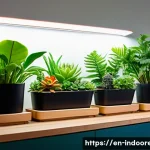
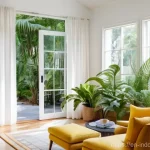
Bringing the outdoors in isn’t just a trend; it’s a fundamental aspect of creating a more vibrant and pet-friendly home. This concept, known as biophilic design, focuses on connecting occupants with nature, and I’ve seen firsthand how much my cats thrive with access to natural light and the gentle rustle of leaves from strategically placed plants. It’s not just about aesthetics; it’s about stimulating their natural instincts, providing visual enrichment, and even contributing to improved air quality. However, it’s absolutely paramount to select plants that are non-toxic to pets. I’ve had a scare or two in the past when a curious kitty nibbled on a plant I didn’t realize was dangerous, leading to a frantic vet visit. My advice: always, always double-check. The joy of seeing your pet interact safely with natural elements in your home is truly unmatched, transforming a sterile living space into a miniature, breathable ecosystem that benefits everyone.
1. Choosing the Right Greens: Pet-Friendly Plant Powerhouses
Embarking on your indoor plant journey requires careful consideration when you have pets. While many common houseplants are toxic, there’s a surprising array of beautiful and beneficial alternatives that are perfectly safe. From the elegant simplicity of a Boston fern to the vibrant leaves of a prayer plant, these natural air purifiers and stress reducers can add so much to your home’s ambiance. I personally love spider plants; they’re incredibly easy to care for, effective at air purification, and completely safe if my cat decides to take a playful swipe. I’ve even noticed a reduction in my older cat’s anxiety when she’s near a large, leafy plant, offering her a sense of natural comfort. Below is a quick guide to some popular pet-safe and unsafe choices that I keep in mind when expanding my indoor garden:
| Plant Category | Pet-Safe Examples | Pet-Unsafe Examples (Common) | Notes for Pet Owners |
|---|---|---|---|
| Common Houseplants | Spider Plant, Boston Fern, Areca Palm, Prayer Plant, Christmas Cactus, African Violet, Friendship Plant | Pothos, Lilies (all types), Sago Palm, Oleander, Dumb Cane (Dieffenbachia), Philodendron, Azalea | Always check the specific variety. Even ‘safe’ plants can cause mild stomach upset if consumed in large quantities. |
| Herbs | Basil, Rosemary, Thyme, Catnip, Parsley (in moderation) | Chives, Garlic, Onions (allium family) | Many culinary herbs are fine, but be mindful of quantity. Garlic/onions are highly toxic. |
| Flowering Plants | African Violet, Christmas Cactus, Sunflower, Orchid (some varieties) | Lilies, Tulips, Daffodils, Chrysanthemums, Hyacinths, Amaryllis | Avoid most cut flowers unless you’re absolutely certain of their safety for pets. |
2. Strategic Placement and Enrichment
It’s not just about what plants you choose, but where you put them. High shelves, hanging planters, or terrariums can keep particularly curious pets from destructive nibbling, while still allowing the biophilic benefits to permeate the space. For plants you know are safe, consider placing them where your pet can interact with them under supervision, perhaps a resilient peace lily that can withstand a gentle brush. Moreover, incorporating natural textures like jute rugs, wooden scratching posts, and ceramic water bowls further enhances this connection to nature. I’ve found that even introducing a patch of pet grass (oat, wheat, or barley grass) provides a safe and stimulating outlet for their natural grazing instincts, diverting them from potentially harmful household plants. It’s about thoughtful design that caters to their inherent need for natural environments.
Smart Home Tech: Elevating Pet Comfort & Safety
The convergence of smart home technology and pet care has truly revolutionized how we manage our pet’s well-being, especially when we’re not around. From automated feeders that ensure portion control and timely meals to smart cameras that let you check in on your furry friend’s antics (and safety!) from anywhere, these innovations offer unparalleled peace of mind. As someone who travels frequently for work, my smart pet camera has become my lifeline, allowing me to speak to my dog and even dispense treats remotely. It’s an amazing feeling to know I can monitor his anxiety levels or simply enjoy watching him nap, even when I’m hundreds of miles away. This isn’t just about convenience; it’s about proactively enhancing their daily lives and addressing potential issues before they escalate, providing a layer of security and engagement that traditional pet care simply couldn’t offer.
1. Automated Feeding and Hydration Systems
Gone are the days of worrying if you’ll be home in time for dinner. Smart feeders not only dispense precise portions at scheduled times, preventing overfeeding, but some even track food consumption, allowing you to monitor changes in appetite – a key indicator of health. Brands like PetSafe and SureFeed offer models that can even read your pet’s microchip, ensuring only the intended pet accesses their food, which is a godsend in multi-pet households with specific dietary needs. Beyond food, smart water fountains encourage pets to drink more, often featuring filtration systems to provide fresh, clean water throughout the day. I invested in one for my cat who was always reluctant to drink from a bowl, and the constant flow of filtered water drastically improved her hydration, a small change with a huge health impact.
2. Monitoring, Security, and Environmental Control
The ability to keep an eye on your pet when you’re out is invaluable. Pet cameras like Furbo or Wyze Cam offer two-way audio, treat dispensing, and even motion alerts, letting you intervene if your dog is barking excessively or your cat is up to mischief. They’ve allowed me to calm my anxious dog during thunderstorms from afar, which is a relief beyond words. Moreover, smart thermostats such as Ecobee or Nest can maintain optimal temperatures for your pets, preventing overheating or chilling, especially important for breeds sensitive to temperature fluctuations. Imagine setting a “pet mode” that adjusts climate when you’re away to ensure their comfort. Even smart lighting can be programmed to mimic natural light cycles, contributing to their circadian rhythm and overall well-being, further integrating them into the seamless smart home ecosystem.
Crafting Dedicated Pet Havens: More Than Just a Bed
It’s easy to think of a pet bed as just a place for them to sleep, but in a truly integrated home, dedicated pet spaces become vital sanctuaries. These aren’t just corners with a cushion; they are thoughtfully designed zones that cater to a pet’s natural instincts for security, play, and rest, while seamlessly blending into your home’s aesthetic. From personal experience, providing my dog with his own cozy den, complete with his favorite blanket and toys, has drastically reduced his anxiety during thunderstorms or when new guests arrive. It gives them a sense of ownership and a safe retreat from the hustle and bustle of human life, which can sometimes be overwhelming. It’s about respecting their need for personal space and giving them a designated area where they can truly be themselves, whether that means a quiet nap or an energetic romp.
1. Designing Cozy Retreats and Vertical Spaces
Every pet needs a safe, comfortable spot they can call their own. For dogs, this might be a crate that’s been transformed into a cozy den with soft bedding and dim lighting, or a dedicated corner with a plush bed away from high-traffic areas. I’ve seen some incredible under-stair doghouses that look like miniature architectural marvels! For cats, vertical space is key. Cat trees, wall-mounted shelves, and even custom-built “cat highways” provide climbing opportunities, lookout points, and private napping spots away from the floor. My cat absolutely adores her wall-mounted perch near a window; it’s her kingdom where she can survey her domain and soak up the sun without interruption. These spaces fulfill their innate desire to climb and observe from a height, contributing significantly to their mental well-being and sense of security.
2. Integrating Play Zones and Enrichment Areas
Beyond resting, pets need spaces for play and mental stimulation. This doesn’t mean your living room needs to become a chaotic obstacle course, but rather intelligently designed areas for engagement. For dogs, a designated indoor fetch zone with soft, non-damaging toys, or a puzzle feeder corner can provide essential mental exercise. For cats, a scratching post integrated into furniture, a laser pointer path, or even a simple box transformed into a play tunnel can keep them entertained. I’ve personally found that rotating toys and introducing new puzzle feeders keeps my dog engaged and prevents boredom, which can often lead to destructive behaviors. Think about washable rugs or easy-to-clean flooring in these zones to simplify maintenance, ensuring that enrichment doesn’t come at the cost of cleanliness or convenience.
Holistic Pet Wellness: The Unsung Heroes of Indoor Living
When we talk about pet well-being in an indoor ecosystem, it’s easy to focus on air purifiers and smart gadgets. However, the true depth of holistic care lies in the fundamentals: nutrition, mental stimulation, and regular, consistent interaction. I’ve realized, through years of being a pet parent, that no amount of tech can replace the daily commitment to their physical and emotional health. For instance, transitioning my older cat to a specialized diet for urinary health completely transformed her energy levels and reduced vet visits; it wasn’t a fancy gadget, but a thoughtful choice about what went into her bowl. It’s about building a foundation of wellness that permeates every aspect of their indoor life, ensuring they don’t just exist, but truly thrive. This often means critically evaluating their daily routines and making small, impactful adjustments that lead to significant long-term benefits for both their body and mind.
1. Tailored Nutrition and Hydration Strategies
Diet is the cornerstone of pet health, and indoor pets often have different caloric and nutritional needs than their outdoor counterparts due to less activity. Working closely with my vet, I’ve learned to fine-tune my pet’s diet based on their age, activity level, and any specific health concerns. This isn’t a one-size-fits-all approach. For example, my large dog, who is mostly indoors, requires specific joint-supporting nutrients, while my cat needs ample moisture in her diet to prevent kidney issues. Beyond food, consistent access to fresh, clean water is paramount. As mentioned earlier, smart water fountains can encourage hydration, but also consider placing multiple water bowls around the house to make it easily accessible, especially for older or less mobile pets. I remember relocating one of my dog’s water bowls closer to his favorite napping spot, and saw an immediate increase in his water intake – a simple change with a big impact.
2. Enriching Their Minds: Mental and Physical Stimulation
Indoor living, while safe, can sometimes lead to boredom and a lack of mental stimulation, especially for active breeds. This is where creative enrichment comes in. Beyond structured play, consider puzzle toys that dispense treats, sniff mats that engage their sense of smell, or even interactive games you can play with them that mimic hunting behaviors. For cats, things like catnip-filled toys, feather wands, and even simply hiding treats for them to find can provide crucial mental exercise. I’ve personally seen how a few minutes of focused play with a laser pointer (used responsibly!) can tire out even my most energetic cat. Regular, short training sessions, even for basic commands, also provide valuable mental engagement and strengthen your bond. It’s about recognizing that a healthy body also requires a healthy, active mind.
The Symbiotic Relationship: Pets, Plants, and People Living in Harmony
Ultimately, creating a pet-centric smart home isn’t just about isolated elements like air purifiers or clever gadgets. It’s about understanding the beautiful, often subtle, symbiotic relationship that develops when pets, plants, and people coexist in a thoughtfully designed indoor ecosystem. I’ve come to believe that when we intentionally cultivate an environment that caters to the natural needs and instincts of our animal companions, we inadvertently enhance our own well-being. The calming presence of nature, the clean air, the joyous interactions with a healthy, happy pet – these are all interconnected threads in the rich tapestry of home life. It’s not just a house anymore; it becomes a sanctuary, a living, breathing space where every member, two-legged or four-legged, can truly thrive and find their place. This holistic approach fosters a sense of peace and mutual benefit that truly elevates daily living beyond mere functionality.
1. Fostering Mutual Well-being Through Shared Spaces
When you design your home with pets in mind, you’re not just accommodating them; you’re creating a space that enhances the well-being of every inhabitant. Consider how a sun-drenched nook that’s perfect for your cat’s nap also creates a cozy reading spot for you. Or how a robust air purification system that tackles pet dander simultaneously reduces allergens for human occupants. The gentle rustle of a pet-safe palm tree adds biophilic beauty for us, while providing a sense of natural comfort for them. I’ve personally noticed that the more thoughtful I am about my pets’ comfort and stimulation, the calmer and more joyful our home feels overall. It’s a reciprocal relationship where their contentment contributes directly to the peaceful atmosphere that we, as humans, also crave. It truly brings a deeper dimension to the concept of ‘home sweet home.’
2. Continuous Adaptation and Observational Care
A truly harmonious indoor ecosystem isn’t a static achievement; it’s an ongoing journey of observation, adaptation, and continuous learning. Your pets’ needs will evolve as they age, as seasons change, and as new technologies emerge. It’s about paying close attention to their behaviors, energy levels, and even subtle cues that might indicate discomfort or joy. For instance, I recently noticed my older dog struggling a bit with slippery floors, prompting me to invest in more strategically placed runners. This constant tweaking, informed by empathy and a desire to see them flourish, is what truly defines a successful pet-centric home. It’s a testament to our bond, ensuring that our shared living space remains a source of comfort, health, and happiness for every member of the family, paving the way for a truly enriching coexistence for years to come.
Wrapping Things Up
As we’ve journeyed through the intricacies of creating a pet-centric smart home, it becomes clear that this endeavor is far more than just adding gadgets or greenery. It’s about forging a deeper, more intentional connection with our beloved companions, recognizing their fundamental needs and integrating them seamlessly into our modern lives. The peace of mind from smart monitoring, the joy of watching them thrive in a naturalized environment, and the sheer comfort of a clean, healthy home – these are the true rewards. This isn’t just a trend; it’s a mindful evolution of how we share our most intimate space, leading to happier pets and, undoubtedly, happier pet parents.
Useful Information
Always Verify Plant Toxicity: Before bringing any new plant into your home, cross-reference it with multiple reliable sources (like ASPCA) to ensure it’s non-toxic for your specific pets. A quick search can save a stressful vet visit.
Regularly Change Air Purifier Filters: To maintain optimal air quality, set a reminder to clean or replace your air purifier’s filters as recommended by the manufacturer. Pet dander can clog them quickly, reducing efficiency.
Consult Your Veterinarian for Dietary Changes: Any significant changes to your pet’s diet, especially for indoor animals with different activity levels, should always be discussed with your vet to ensure balanced nutrition and avoid health issues.
Pet-Proof Your Home Beyond the Basics: Look for potential hazards like unsecured wires, small objects that can be swallowed, or chemicals stored within reach. Pets are naturally curious, so proactive safety measures are crucial.
Start Small with Smart Tech Integration: You don’t need to overhaul your entire home at once. Begin with one or two smart devices, like an automated feeder or a pet camera, and gradually expand as you see the benefits and your comfort level grows.
Key Takeaways
Creating a harmonious pet-centric smart home involves a multi-faceted approach. Prioritize indoor air quality with HEPA and carbon filters, and ensure proper ventilation and humidity. Embrace biophilic design by introducing pet-safe plants and natural textures for enrichment. Leverage smart home technology for automated feeding, remote monitoring, and environmental control. Design dedicated, comfortable retreats and stimulating play zones tailored to your pet’s needs. Finally, integrate holistic wellness strategies through tailored nutrition, consistent hydration, and engaging mental and physical stimulation, fostering a truly symbiotic relationship that benefits both pets and their human companions.
Frequently Asked Questions (FAQ) 📖
Q: You know, my biggest struggle is always keeping the air fresh and dealing with all that pet dander. I mean, beyond just constant vacuuming, what have you found makes a real difference in maintaining good air quality in a home shared with active pets?
A: Oh, trust me, I’ve been there! It’s an ongoing battle, right? For me, the absolute game-changer has been investing in a really robust air purifier with a true HEPA filter.
I remember the first time I ran mine for a full day; the difference in how the air felt, even smelled, was palpable. It’s not just about dander; it tackles odors and allergens too.
Beyond that, I’ve learned that keeping your HVAC filters clean and upgrading to a higher MERV rating helps immensely. And honestly, it sounds simple, but consistent grooming for your pets outdoors, if possible, dramatically reduces shedding indoors.
It’s a multi-pronged attack, but the air purifier is where I saw the most immediate, significant improvement.
Q: I’m intrigued by the biophilic design and the idea of specialized plants, but my biggest fear is bringing something toxic into my home for my incredibly curious cat.
A: re there genuinely safe and beneficial plants that really contribute to that ‘natural extension of the outdoors’ vibe for pets, and where do you even put them?
A2: That’s a totally valid concern, and one I’ve definitely navigated myself! It’s heartbreaking to think of accidentally harming them. The good news is, yes, there are fantastic, pet-friendly plants that not only look great but actually help improve your indoor air.
My go-to choices include the Boston Fern, Spider Plant, and especially the Areca Palm – they’re non-toxic and surprisingly resilient. I’ve found placing them in strategic spots, like a sunny corner where my dog loves to nap or on a high shelf away from curious paws, makes a difference.
They add that lush, calming green without the constant worry. It’s all about doing a quick double-check on plant toxicity before you buy, and then observing your pets’ behavior around them.
A little bit of green truly transforms a space for both of you.
Q: You mentioned smart home tech and the future of pet-centric living, and frankly, I’m fascinated! Beyond just automatic feeders, what smart home technologies have you seen or personally used that truly elevate pet wellness and make day-to-day life genuinely easier for pet parents?
A: Oh, this is where it gets really exciting! Beyond the basic feeders – which, let’s be honest, are already lifesavers – I’ve seen some incredible innovations.
Automated climate control, for instance, isn’t just for human comfort; being able to ensure the house stays cool enough for my husky in the summer, even when I’m at work, gives me such peace of mind.
I actually got a smart thermostat after a particularly hot day where I worried about him. Then there are smart pet cameras with two-way audio, which are brilliant for checking in and even comforting a lonely pet.
I’ve heard stories of people using them to talk to their dogs during thunderstorms! And while I haven’t personally installed one yet, smart pet doors that only open for your pet’s microchip are brilliant for secure outdoor access.
These aren’t just gadgets; they’re tools that truly deepen our connection and reduce daily stresses, allowing us to be better pet parents even when we’re not physically there.
The future really is about creating these seamless, integrated environments.
📚 References
Wikipedia Encyclopedia
구글 검색 결과
구글 검색 결과
구글 검색 결과
구글 검색 결과
구글 검색 결과