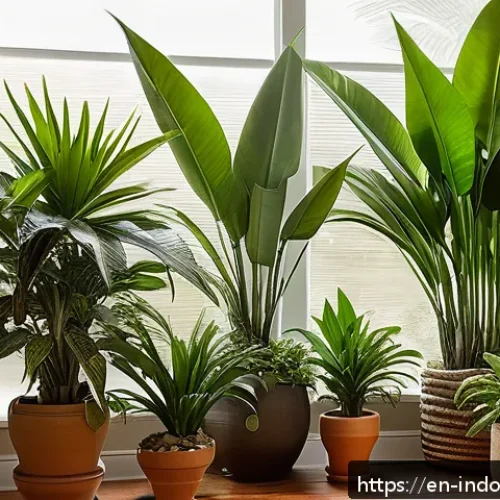
Surrounding ourselves with plants does more than just brighten up a room—it can profoundly impact our mental well-being. Studies show that indoor greenery helps reduce stress, boost mood, and even improve concentration.

Whether you have a tiny succulent on your desk or a lush garden at home, the psychological benefits are undeniable. Personally, I’ve noticed how caring for plants brings a calming routine and a sense of accomplishment.
Let’s dive deeper and explore how plants can truly nurture our minds and emotions. I’ll walk you through the details so you get the full picture!
The Subtle Ways Plants Influence Our Daily Mindset
Enhancing Focus Through Natural Elements
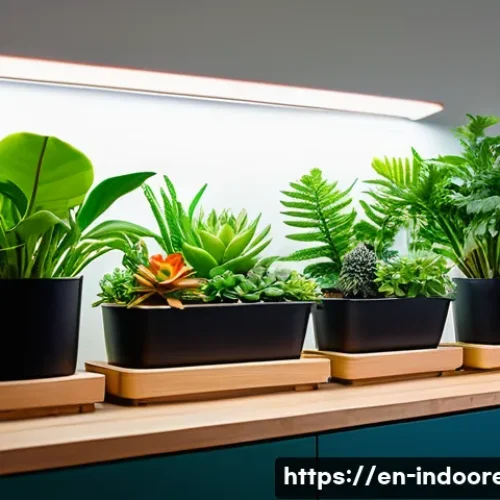
It’s fascinating how just having a bit of greenery nearby can sharpen your mental clarity. I’ve found that when I place a small potted plant on my work desk, my concentration improves noticeably.
The presence of plants seems to create a mini sanctuary that helps drown out distractions. There’s something about the soft green hues and natural textures that calms the brain’s overstimulation.
Research supports this too—studies have shown that employees with plants in their offices report better attention spans and higher productivity. It’s like our minds instinctively relax when surrounded by nature, even indoors.
Creating a Soothing Environment to Ease Anxiety
Plants have this almost magical ability to make a space feel more peaceful. I remember days when I felt overwhelmed by deadlines, but sitting near my indoor garden gave me a moment of calm.
The act of caring for plants—watering, trimming, observing growth—offers a grounding routine that distracts from anxious thoughts. Scientifically, interacting with plants can lower cortisol levels, our stress hormone, which explains why I often feel less tense after spending time with them.
This calming effect is not just psychological; it’s physical, providing a subtle but powerful mood boost.
Boosting Positivity by Connecting with Living Things
There’s an undeniable joy in watching a plant thrive under your care. Personally, I’ve felt that small victories like seeing a new leaf sprout can brighten my whole day.
This connection to life fosters a sense of accomplishment and purpose, which naturally elevates mood. Beyond just aesthetics, plants act as silent companions that respond to your care.
This relationship can nurture emotional well-being by encouraging mindfulness and gratitude, especially during stressful times. It’s a gentle reminder that growth is possible, both for plants and ourselves.
How Plants Affect Our Cognitive Abilities
Improving Memory and Learning Capacity
From my experience, spaces enriched with plants seem to make absorbing new information easier. Whether reading a book or tackling complex tasks, I noticed that my retention felt stronger when I was surrounded by greenery.
This aligns with studies suggesting that plants improve cognitive function by reducing mental fatigue. The natural environment fosters a state of relaxed alertness, which is ideal for learning.
So if you’re trying to study or work creatively, adding plants could be a surprisingly effective hack.
Stimulating Creativity Through Natural Inspiration
I’ve often found myself more inventive when my workspace includes plants. The organic shapes and colors spark a kind of creative thinking that artificial objects rarely evoke.
It’s almost as if plants help break mental blocks by introducing variety and a sense of life into the environment. Artists, writers, and designers frequently use nature to recharge their creativity, and indoor plants offer a convenient way to bring that influence inside.
The subtle sensory engagement—touching leaves, smelling soil—can trigger fresh ideas and problem-solving approaches.
Reducing Mental Fatigue for Prolonged Mental Endurance
When I’ve had long days filled with intense focus, I noticed that taking breaks near plants helped me feel refreshed. This is not just anecdotal; research shows that exposure to natural elements reduces cognitive fatigue.
Plants provide a restorative effect by gently shifting attention away from stressors, allowing the brain to recover. This means you can sustain your mental energy longer without feeling drained.
Incorporating plants into break areas or study nooks is a simple way to boost mental endurance throughout demanding days.
Emotional Support from Nature’s Quiet Presence
Offering Comfort During Difficult Times
During moments of sadness or stress, I’ve found that plants offer an unexpected source of comfort. Their quiet, steady presence feels like a gentle reminder that life continues and thrives.
Caring for a plant gives a sense of responsibility and routine, which can be grounding when emotions run high. Many people report that nurturing plants helps them feel less isolated, as if the plants provide silent companionship.
This emotional support, though subtle, can make a meaningful difference in managing tough periods.
Fostering Patience and Mindfulness
Growing plants has taught me patience in a way few other activities do. Watching a seedling slowly develop into a full plant requires slowing down and appreciating gradual progress.
This process encourages mindfulness, a practice well-known for improving mental health. Paying attention to the needs of plants—when to water, how much light they require—helps cultivate a present-focused mindset.
This mindful care often spills over into daily life, reducing impulsivity and fostering a calmer approach to challenges.
Strengthening Emotional Resilience
Through my ongoing relationship with indoor plants, I’ve noticed a boost in emotional resilience. Plants don’t demand perfection; they tolerate mistakes and recover, which is a valuable lesson for anyone.
When a leaf wilts or a plant struggles, learning how to adapt care reinforces problem-solving skills and persistence. This adaptability nurtures a positive attitude toward setbacks in life.
The steady growth of plants despite obstacles mirrors our own capacity to bounce back, providing quiet encouragement during emotional lows.
Environmental Factors That Amplify Plant Benefits
Light and Its Role in Mood Enhancement
Natural light is crucial not just for plants but for our own well-being. I’ve found that placing plants near windows maximizes their positive effects.
Sunlight helps regulate circadian rhythms, which influences mood and sleep quality. When plants thrive in bright spots, their vibrancy seems to energize the space and uplift spirits.
Conversely, dim environments can dull both plant health and the mood-boosting impact. Optimizing light conditions for plants is a simple way to enhance the overall atmosphere and psychological benefits.
Air Quality Improvement and Its Psychological Impact
One of the perks I didn’t expect was how plants purify indoor air. Cleaner air means fewer pollutants and allergens, which can reduce headaches and fatigue.
This physical improvement translates into better mental clarity and comfort. Some species are especially effective at filtering toxins, contributing to a fresher environment that feels more inviting.

Knowing that your surroundings are healthier adds a layer of peace of mind, which indirectly supports emotional wellness.
Humidity Regulation and Comfort Levels
Plants release moisture into the air, which can balance indoor humidity. In dry climates or heated rooms, this natural humidification helps prevent irritation of the skin and respiratory tract.
I’ve noticed that when my plants are thriving, the indoor air feels less dry and more comfortable. This subtle change can influence mood by reducing physical discomfort and promoting relaxation.
Maintaining balanced humidity is often overlooked but plays a significant role in creating a cozy, calming environment.
Choosing the Right Plants for Your Space and Mind
Low-Maintenance Plants for Busy Lifestyles
Not everyone has the time or patience for high-maintenance greenery. From my trial and error, succulents, snake plants, and pothos stand out as great options for beginners or busy folks.
These plants survive well with minimal watering and light, making them perfect for desks or apartments. They still offer all the psychological benefits without demanding constant care.
Having these low-key plants around can gently introduce the calming effects of greenery into hectic schedules.
Plants That Actively Boost Air Quality
If you’re looking to maximize health benefits, consider plants known for air purification. Spider plants, peace lilies, and Boston ferns are excellent choices.
I’ve personally noticed a fresher, cleaner feel in rooms with these plants. Their ability to remove airborne toxins can complement mental well-being by reducing irritants that might cause discomfort or distraction.
This adds a functional layer to the emotional perks of indoor plants.
Colorful and Flowering Plants for Emotional Uplift
Sometimes, the visual impact of vibrant flowers can brighten moods instantly. African violets, orchids, and kalanchoes bring pops of color that stimulate joy and creativity.
I’ve kept flowering plants on my windowsill during gloomy seasons, and their blooms never failed to lift my spirits. These plants not only add aesthetic value but also reinforce the positive connection between nature and emotional health through their lively presence.
Integrating Plant Care into Daily Routines
Using Plant Care as a Mindfulness Practice
Watering and tending to plants can be a meditative ritual. I often use this time to slow down, breathe deeply, and focus solely on the task. It’s a simple yet effective way to practice mindfulness without needing special skills or equipment.
This routine encourages a break from screen time and mental clutter, refreshing the mind. Over time, it cultivates a habit of presence and calm that extends beyond plant care.
Creating a Personal Sanctuary with Plants
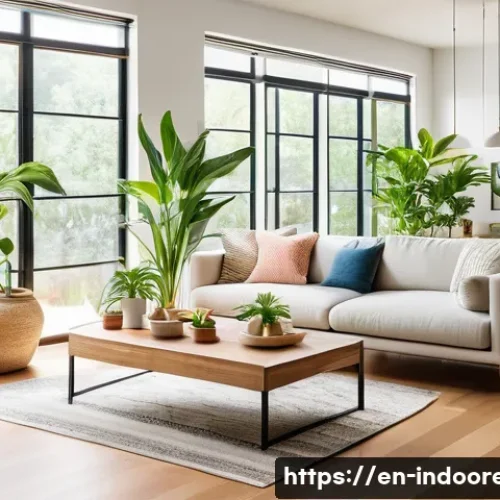
Designing a small green corner or indoor garden can transform your living space into a sanctuary. I’ve found that arranging plants thoughtfully around seating areas or bedrooms creates inviting spots for relaxation.
The presence of plants signals to the brain that this is a safe, nurturing environment. Personalizing your plant space adds emotional value, making it a go-to refuge during stressful moments.
It’s like having a living, breathing support system at home.
Tracking Growth for a Sense of Progress
Keeping a simple journal or photo log of your plants’ growth enhances the sense of accomplishment. I started this practice to motivate myself and it surprisingly boosted my mood.
Seeing tangible progress over weeks and months reminds you that care and patience pay off. This reinforces positive feelings and encourages continued engagement with plants.
It’s a rewarding feedback loop that strengthens the bond between you and your greenery.
Comparing Popular Indoor Plants and Their Psychological Effects
| Plant Type | Maintenance Level | Primary Psychological Benefit | Ideal Location |
|---|---|---|---|
| Snake Plant | Low | Stress reduction, air purification | Low to bright indirect light |
| Spider Plant | Low to Medium | Improves focus, cleans air | Bright indirect light |
| Peace Lily | Medium | Enhances mood, removes toxins | Low to medium light |
| Succulents | Very Low | Boosts creativity, low effort care | Bright light |
| Orchids | Medium to High | Emotional uplift, beauty | Bright indirect light |
| Boston Fern | Medium | Humidity regulation, calming | Indirect light, high humidity |
글을 마치며
Plants are more than just decor; they quietly shape our mindset and emotional well-being in meaningful ways. From boosting focus to providing comfort during tough times, their presence enriches our daily lives. By integrating greenery thoughtfully, anyone can create a nurturing environment that supports mental clarity and emotional resilience. Embracing plants is a simple yet powerful step toward a healthier, happier mindset.
알아두면 쓸모 있는 정보
1. Placing plants near natural light sources maximizes their mood-enhancing effects and supports their health.
2. Low-maintenance plants like succulents and snake plants are ideal for busy people seeking psychological benefits without added stress.
3. Regular plant care routines can serve as effective mindfulness practices, helping reduce anxiety and improve focus.
4. Certain plants, such as spider plants and peace lilies, actively improve indoor air quality, contributing to better mental and physical health.
5. Tracking plant growth through journals or photos can boost motivation and deepen your emotional connection with nature.
중요 사항 정리
Incorporating plants into your environment offers multiple psychological and cognitive benefits, but their impact depends on proper care and placement. Prioritize plants suited to your lifestyle and space, focusing on adequate light and humidity conditions. Remember, the true value lies not only in the plants themselves but in the mindful interaction and routine they encourage. This relationship fosters sustained mental well-being, creativity, and emotional balance.
Frequently Asked Questions (FAQ) 📖
Q: How exactly do indoor plants help reduce stress and improve mood?
A: Indoor plants have a calming effect that stems from their connection to nature, which our brains naturally respond to with relaxation. When you spend time caring for plants or simply being around greenery, it can lower cortisol levels—the hormone linked to stress.
Plus, the act of nurturing something living gives a sense of purpose and accomplishment, which lifts your mood. From my experience, even just looking at a thriving plant during a busy workday can provide a quick mental break and refresh your focus.
Q: Can having plants really improve concentration and productivity?
A: Absolutely! Studies have shown that environments with plants can boost concentration by reducing mental fatigue. Plants help clean the air and increase humidity, which creates a more comfortable and healthier workspace.
I’ve personally noticed that when I have a few plants near my desk, I feel less distracted and more energized to tackle tasks. It’s like they create a small oasis that helps me stay grounded and focused for longer periods.
Q: What kinds of plants are best for beginners who want these mental health benefits?
A: If you’re new to plant care, it’s best to start with low-maintenance options that are forgiving and easy to grow. Succulents, pothos, snake plants, and peace lilies are great choices.
They don’t require constant attention but still add that touch of greenery that can brighten your space and mood. I remember when I first started with a small succulent, the simple routine of watering it every week gave me a soothing ritual without any stress.
Once you get comfortable, you can gradually add more variety to your indoor garden.