Hey everyone! Ever walk into your home, take a deep breath, and wonder what’s *really* in the air? I know I do, especially with all the chatter about invisible threats like allergens, wildfire smoke, and even pesky pet dander these days.
It turns out, our indoor air quality can often be more compromised than we realize, making a good air purifier less of a gadget and more of a health essential for 2025.
With so many smart features, advanced HEPA filtration, and sleek designs hitting the market, navigating your options can feel overwhelming. Trust me, I’ve been down this rabbit hole, and I’m here to give you the real scoop based on what truly works.
Let’s dive deeper and clear the air on how to pick your perfect purifier.
Hey everyone! Ever walk into your home, take a deep breath, and wonder what’s *really* in the air? I know I do, especially with all the chatter about invisible threats like allergens, wildfire smoke, and even pesky pet dander these days. It turns out, our indoor air quality can often be more compromised than we realize, making a good air purifier less of a gadget and more of a health essential for 2025. With so many smart features, advanced HEPA filtration, and sleek designs hitting the market, navigating your options can feel overwhelming. Trust me, I’ve been down this rabbit hole, and I’m here to give you the real scoop based on what truly works. Let’s dive deeper and clear the air on how to pick your perfect purifier.
Beyond the Obvious: What’s Lurking in Your Home’s Air?

You might think your home is a sanctuary, a haven from the outside world’s pollution. But honestly, I’ve learned that’s not always the case! Indoor air quality in the U.S. has reached a critical point in 2025, with pollutant concentrations often being two to five times higher than outdoors. This really hit home for me when I started experiencing more persistent allergies, even indoors. It wasn’t just pollen drifting in; it was a cocktail of things. For instance, cooking, especially with gas stoves, can release fine particulate matter (PM2.5) and nitrogen dioxide, which are definitely not great for your lungs. Then there are those sneaky volatile organic compounds (VOCs) that off-gas from everyday items like paints, cleaning products, and even new furniture. They can cause headaches and respiratory issues, and trust me, nobody wants that.
Unmasking the Invisible Invaders
When I first started looking into air purifiers, I thought it was just about dust and pet hair. Boy, was I wrong! Wildfire smoke, an increasing concern, can infiltrate our homes, and its tiny particles (0.1 to 0.3 microns) can penetrate deep into the lungs and bloodstream, potentially causing serious health problems. If you have pets like I do, you’re also dealing with dander and allergens that cling to everything. I’ve found that these invisible threats are the real culprits behind itchy eyes, sneezing, and even that lingering “stuffy” feeling in a room. It’s not just about comfort; it’s about protecting your long-term health, especially for kids or anyone with respiratory sensitivities.
The Silent Attack on Your Well-Being
It’s genuinely mind-boggling how many things contribute to poor indoor air. Beyond the usual suspects, mold growth in damp areas can trigger allergies and asthma, while dust mites are constantly contributing to respiratory problems. And let’s not forget airborne pathogens – with global health concerns, these are more relevant than ever. I once had a persistent cough that doctors couldn’t quite pinpoint, and looking back, I’m almost certain it was tied to the poor ventilation and unknown pollutants in my old apartment. It really underscores why an effective air purifier is an investment in your health, not just a fancy appliance. The EPA even states that indoor air can be significantly more polluted than outdoor air, making effective purification a necessity.
The Heart of the Machine: Demystifying Filtration Systems
Alright, so you know you need cleaner air, but how do these magical boxes actually work? The secret sauce is in the filtration. When I first started researching, it felt like alphabet soup with all the acronyms. But after trying out a few models, I realized that understanding the core technologies is key to making a smart purchase. You want a multi-stage system, not just a single filter that claims to do it all. Most modern purifiers, especially the good ones, combine several types of filters, each designed to tackle different kinds of pollutants. It’s like having a specialized task force for every airborne nastiness, ensuring comprehensive cleaning for your home.
HEPA and Activated Carbon: Your Dynamic Duo
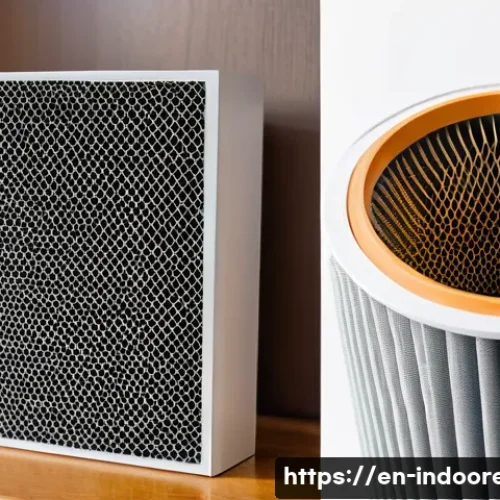
When it comes to filtration, True HEPA is the gold standard, and seriously, don’t settle for anything less than “True HEPA” or “H13.” These filters are certified to capture at least 99.97% of airborne particles as tiny as 0.3 microns, which includes dust, pollen, pet dander, mold spores, and even many bacteria and viruses. From my own experience, a purifier with a strong HEPA filter made a noticeable difference in my allergy symptoms, especially during peak pollen season. But here’s the kicker: HEPA filters are fantastic for particles, but they’re not great with gases and odors. That’s where activated carbon comes in. These filters are packed with porous carbon that acts like a sponge, adsorbing gases like VOCs, cooking smells, and pet odors. I’ve found the combination to be absolutely essential, especially in a house with a dog and a passion for cooking! Many of the best purifiers, like the Dyson and Levoit models, leverage this powerful combo.
Beyond Filters: Exploring Additional Technologies
While HEPA and activated carbon are the mainstays, many advanced purifiers integrate other technologies for an extra layer of defense. UV-C germicidal lamps, for example, use ultraviolet light to attack the DNA and RNA of microorganisms, effectively sterilizing the air by preventing bacteria, viruses, and mold from reproducing. I remember being skeptical about this at first, but hearing how hospitals use UV-C made me a believer. Some systems also incorporate photocatalytic oxidation (PCO) or ionizers. PCO breaks down chemical pollutants at a molecular level, while ionizers release charged ions that attach to particles, making them easier to capture. However, with ionizers, you need to be mindful of ozone production. Always look for “ozone-free” certification or features that ensure no harmful byproducts are released. It’s all about finding the right blend of technologies that target your specific air quality concerns, because there’s no one-size-fits-all solution.
Matching the Purifier to Your Pad: Sizing and Placement Secrets
Buying an air purifier isn’t just about picking a fancy model; it’s about making sure it actually works for *your* space. I’ve seen so many people get this wrong, stuffing a small purifier into a huge living room and then wondering why they’re not breathing any easier. The size of your room and the purifier’s capacity are incredibly important, and honestly, it’s not as complicated as it sounds once you understand a few key metrics. Getting this right can increase the purifier’s effectiveness by up to 2.5 times!
Cracking the CADR Code
When you’re shopping, you’ll inevitably run into “CADR” ratings. This stands for Clean Air Delivery Rate, and it’s basically a measure of how quickly an air purifier can clean a room of specific pollutants like smoke, dust, and pollen. It’s measured in cubic feet per minute (CFM), and a higher CADR means faster cleaning. Different pollutants have different CADR ratings because their particle sizes vary. For instance, smoke particles are much smaller than dust or pollen. I always recommend checking the CADR for your primary concern. If you have severe allergies, prioritize a high pollen CADR. For general air quality, aim for a balanced rating. Most quality air purifiers have a CADR of at least 300. The Association of Home Appliance Manufacturers (AHAM) certifies these ratings, so look for that seal of approval. Don’t just trust a brand’s claim; verified CADR numbers give you an objective way to compare models and ensure you’re getting enough cleaning power for your room size.
Optimal Placement: More Than Just an Aesthetic Choice
Once you’ve got the right-sized purifier, *where* you put it makes a massive difference. Seriously, it’s not just about hiding it in a corner! Air purifiers need space to breathe and circulate air effectively. I’ve learned from trial and error that placing it in a central area of the room, away from walls, corners, and obstructions, is key. Think about it: the machine sucks in dirty air and pushes out clean air, so you don’t want anything blocking that flow. Ideally, give it 3-5 feet of clearance all around. For bedrooms, placing it 6-10 feet from the head of the bed is often recommended, ensuring clean air without blowing directly on your face. In living rooms, a central spot, perhaps near seating areas but still open, works best. If you have a specific pollution source, like a fireplace or a pet’s favorite spot, put the purifier closer to that source to capture pollutants before they spread. Elevating the device slightly, on a table or shelf, can also boost its performance, especially in rooms where you’re mostly sitting. And one crucial tip I picked up: keep doors and windows shut! Otherwise, your purifier is constantly trying to clean the outside air too, which defeats the purpose.
| Feature | What it Means for You | Why it Matters |
|---|---|---|
| CADR (Clean Air Delivery Rate) | Measures how fast a purifier cleans air of smoke, dust, pollen. | Ensures the purifier is powerful enough for your room size, preventing underperformance. |
| True HEPA Filter | Captures 99.97% of particles 0.3 microns or larger. | Crucial for allergens, pet dander, dust, and many viruses/bacteria, essential for respiratory health. |
| Activated Carbon Filter | Adsorbs gases, odors, and VOCs. | Eliminates cooking smells, pet odors, and chemical fumes that HEPA filters miss, leading to fresher air. |
| Smart Sensors & Auto Mode | Detects air quality and adjusts fan speed automatically. | Provides real-time air quality insights, optimizes energy use, and offers hands-off convenience. |
| Low Noise Level (dB) | Indicates how quietly the unit operates. | Essential for bedrooms and offices to avoid disruption, especially important for light sleepers. |
| Filter Replacement Indicator | Alerts you when filters need changing. | Ensures consistent performance and prevents you from unknowingly running an ineffective purifier. |
Smart Features: Convenience or Necessity in 2025?
Let’s be real, almost everything is “smart” these days, and air purifiers are no exception. At first, I thought some of these features were just gimmicks, but after living with a smart purifier for a while, I can honestly say they make a huge difference in convenience and even effectiveness. The air purification industry in 2025 is really leaning into intelligence and integration, and for good reason. These aren’t just standalone units anymore; they’re becoming integrated parts of our connected homes, offering levels of control and insight we couldn’t have imagined a few years ago.
Real-Time Insights and Remote Control
The biggest game-changer for me has been real-time air quality monitoring. My smart purifier has built-in sensors that detect pollutants and display the air quality, often with a color-coded indicator or precise PM2.5 readings. This isn’t just cool tech; it’s empowering! I can see exactly when the air quality dips (like after cooking or when my dog shakes off a bunch of dander) and watch the purifier work its magic. Plus, being able to control it from my phone, no matter where I am, is incredibly handy. Forgot to turn it on before leaving for work? No problem, just open the app. Or better yet, many have auto modes that adjust fan speed based on detected pollution levels, so you don’t even have to think about it. This automation isn’t just about laziness; it ensures the purifier is always working optimally when needed, without you having to constantly fiddle with settings.
Seamless Integration and Energy Savvy Operation
Modern smart purifiers are designed to integrate seamlessly into your smart home ecosystem. Many offer Wi-Fi connectivity and are compatible with voice assistants like Amazon Alexa and Google Assistant. I’ve got mine hooked up to my smart home routines, so it kicks into gear when I leave for work or when the outdoor air quality alerts spike due to wildfire smoke. This level of integration genuinely enhances the user experience, turning a chore into a truly hands-off operation. Beyond convenience, smart features often lead to better energy efficiency. Devices with occupancy sensors can adjust their operation when a room is empty, and smart scheduling means it’s only running when you need it, which can help reduce those utility bills. It’s a win-win: cleaner air and a smarter, more efficient home.
The Long Haul: Filter Replacements and Maintenance Costs

Okay, let’s talk about the elephant in the room: ongoing costs. An air purifier isn’t a one-and-done purchase. Those filters, the very heart of the system, need to be replaced regularly. This is something I learned the hard way after neglecting my first purifier for too long and realizing it wasn’t doing much more than circulating air. Trust me, ignoring filter changes means your air quality benefits plummet, and you might as well not even have a purifier running! You’re paying for clean air, so you need to keep up with the filter game.
Budgeting for Replacements
The cost and frequency of filter replacements vary significantly by model and manufacturer. Some pre-filters are washable, which is a nice money-saver, but HEPA and activated carbon filters usually aren’t. Expect to replace HEPA filters anywhere from every 6-12 months, and activated carbon filters might need changing even more frequently, especially if you have pets or strong odors. Individual HEPA and carbon filters can range from $25 to over $100, and some systems have multiple filters, so those costs can add up. I’ve seen some brands offer subscription services for filters, which can sometimes save a little money and ensures you never forget to reorder. When you’re looking at a new purifier, always factor in the annual filter cost – it’s a critical part of the true ownership cost. My advice? Look for models with longer filter life ratings, some even claiming up to 9000 hours, like certain Philips and Qubo models. This can make a substantial difference in your yearly spending.
Keeping Your Purifier in Top Shape
Beyond replacing filters, regular maintenance is crucial for optimal performance. This usually involves vacuuming or wiping down the pre-filter every few weeks to prevent larger particles like pet hair and lint from clogging it. Some brands, like the NuWave OxyPure, even feature washable and reusable pre-filters, which is a fantastic way to cut down on recurring costs and waste. You should also wipe down the exterior of the unit to prevent dust buildup. It sounds simple, but a dusty purifier can’t efficiently draw in air. I make it a point to add “check air purifier filter” to my monthly cleaning routine. Many smart purifiers even come with helpful filter replacement indicators or app notifications, so you don’t have to guess when it’s time for a change. Staying on top of these small tasks ensures your investment continues to deliver clean, fresh air day in and day out, truly making a difference in your home’s environment.
Advanced Air Purification: Technologies Beyond the Standard
Just when you think you’ve got a handle on HEPA and carbon, the world of air purification keeps evolving! For 2025, there are some really exciting advancements that go beyond traditional filtration, offering even more comprehensive protection against a wider range of indoor pollutants. It’s like the difference between a standard security system and one with all the bells and whistles, including laser grids and facial recognition. These aren’t just minor tweaks; they’re significant technological leaps that can address specific, often harder-to-tackle, air quality issues.
Tackling the Toughest Threats with Multi-Technology Systems
Many of the top-performing air purifiers now integrate multiple technologies to create a truly robust air purification system. For example, some units combine pre-filters, True HEPA, activated carbon, *and* UV-C germicidal treatment. This multi-pronged approach ensures that not only are particles captured, but microorganisms are also neutralized. I’ve personally seen systems that guide air through a “purification journey,” starting with larger particle capture, moving to fine particle filtration, then UV-C for germs, and finally activated carbon for gases and odors. Some even add photocatalytic oxidation (PCO) to break down remaining chemical pollutants. This kind of integrated system can achieve particle reduction of up to 99.99999% and eliminate up to 99.9% of bacteria and viruses, which is honestly astonishing. If you’re dealing with serious concerns like lingering odors, persistent allergens, or simply want the highest level of air hygiene, these advanced, multi-technology systems are definitely worth considering.
Innovations in Filter Materials and Smart Sensing
Beyond combining existing technologies, the actual filter materials themselves are getting an upgrade. We’re seeing innovations like nano-fiber technology, which offers even higher efficiency in capturing ultrafine particles. This is particularly important for those microscopic threats that are hardest to filter. Another exciting development is “high dust collection capacity filters” that are designed to capture a larger volume of particulate matter before they get saturated, extending filter lifespan and reducing replacement frequency. This not only saves you money in the long run but also makes the devices more eco-friendly by reducing waste. On the “smart” front, beyond basic monitoring, we’re now seeing systems with predictive analytics. These can anticipate changes in air quality and automatically adjust filter settings, ensuring optimal efficiency and energy savings. It’s like having a crystal ball for your home’s air, always one step ahead to keep things clean and healthy. These advancements highlight that air purification isn’t standing still; it’s constantly evolving to meet our needs for healthier indoor environments.
Pet Parents’ Paradise: Choosing Purifiers for Furry Friends
As a proud pet parent, I can tell you there’s a special kind of love that comes with living with animals… and a special kind of mess, especially when it comes to air quality! Pet hair, dander, and those infamous “pet smells” can turn your lovely home into an allergen battlefield. I’ve spent years trying to find the perfect solution, and thankfully, the market for pet-specific air purifiers has exploded, offering some fantastic options designed to tackle these unique challenges head-on. It’s not just about getting *any* air purifier; it’s about finding one that’s truly built for the job.
Targeting Dander and Odors with Precision
For us pet owners, the key is filtration that specifically targets pet-related issues. You absolutely need a True HEPA filter to capture pet dander and other allergens effectively. Pet dander is tiny, so a high-efficiency filter is non-negotiable. Many of the top models for pets, like the Levoit Core P350 Pet Care or the Coway Airmega Icon, excel in this area. But dander is only half the battle. What about those lingering odors from the litter box, dog beds, or even just a wet dog after a walk? That’s where a robust activated carbon filter becomes your best friend. A good activated carbon filter can significantly reduce or eliminate those persistent smells that regular filters often miss. I once had a guest comment on how fresh my house smelled, despite having two cats, and I knew it was all thanks to my purifier’s excellent carbon filtration. Some purifiers, like the Winix 5500-2, even feature washable carbon filters, which is a fantastic bonus for long-term savings and convenience.
Beyond Filters: Features That Cat Parents Love
Beyond just the filter types, certain features make a huge difference for pet-friendly homes. Consider purifiers with a strong pre-filter that can capture larger particles like pet hair before they clog your more specialized filters. Many can be easily cleaned or even washed, which extends the life of your HEPA and carbon filters. I also appreciate models that are designed to be quiet, especially since pets can be sensitive to loud noises. Many purifiers have a “sleep mode” that keeps them running almost silently. Another smart feature is an auto mode with air quality sensors. This allows the purifier to automatically ramp up when it detects an increase in pet dander or odors, such as when your furry friend has an energetic zoomie session or after you scoop the litter box. Brands like Levoit and Winix offer excellent pet-friendly smart purifiers that often include Wi-Fi connectivity and app control, so you can manage your home’s air even when you’re not there – perfect for those times you come home to a “surprise” from your four-legged companion.
Concluding Thoughts
Whew! We’ve covered a lot, haven’t we? From the unseen nasties lurking in our air to the cutting-edge tech making our homes healthier, I truly hope this deep dive has empowered you to make an informed choice. Investing in a quality air purifier isn’t just about owning another gadget; it’s about reclaiming your space, breathing easier, and genuinely improving your family’s well-being. Trust me, the difference it makes to your daily comfort and long-term health is absolutely priceless. So go ahead, clear the air, and enjoy that fresh, clean feeling!
Useful Information to Know
1. Regular Filter Checks are Non-Negotiable: I can’t stress this enough! Your air purifier is only as good as its filters. Make it a habit to check your pre-filter every few weeks for dust and pet hair, and always replace your True HEPA and activated carbon filters according to the manufacturer’s recommendations. Ignoring this step means your unit is just blowing air around, not actually cleaning it, which completely defeats its purpose and your investment.
2. Placement Matters More Than You Think: Don’t just tuck your purifier away in a corner. For optimal performance, position it in a central location within the room you want to clean, ideally with 3-5 feet of clearance on all sides. This allows for unrestricted air intake and distribution, ensuring that every corner of your space benefits from fresh, purified air. A slight elevation can also boost its effectiveness, especially in rooms with a lot of floor-level activity.
3. Smart Features are a Game Changer, Not Just Gimmicks: While some smart features might seem like overkill, I’ve found that real-time air quality sensors, auto modes, and app control are incredibly useful. They provide crucial insights into your home’s air, allow the unit to run efficiently without constant manual adjustments, and offer unparalleled convenience. This means cleaner air with less effort on your part, maximizing both comfort and energy savings.
4. Consider Your Specific Needs: Before you buy, take a moment to assess your household’s unique air quality challenges. Are you battling pet dander and odors? Persistent allergies? Worried about wildfire smoke or VOCs from new furniture? Tailoring your purifier choice to address these specific concerns, perhaps by prioritizing a high CADR for smoke or a robust carbon filter for odors, will lead to far greater satisfaction and better results.
5. Factor in Long-Term Costs: It’s easy to get excited about the initial price tag, but remember that air purifiers come with ongoing maintenance expenses, primarily filter replacements. When budgeting, always research the cost and frequency of replacement filters for any model you’re considering. This foresight will prevent any unpleasant surprises down the road and ensure you can consistently keep your air clean without breaking the bank.
Key Takeaways
Choosing the right air purifier in 2025 is a holistic approach: understanding hidden indoor pollutants, prioritizing True HEPA and activated carbon filtration, correctly sizing and placing your unit, and leveraging smart features for convenience. Don’t forget to factor in ongoing filter costs and consistent maintenance. Ultimately, investing wisely in an air purifier is an investment in your health and comfort, transforming your home into a true sanctuary of fresh, clean air.
Frequently Asked Questions (FAQ) 📖
Q: Do I really need an air purifier, or is it just another gadget I’ll forget about in a month?
A: Oh, I totally get why you might be wondering that! For the longest time, I thought indoor air was pretty much fine, a sanctuary from the outside world.
But my perspective completely changed when I dug into it. Turns out, our indoor air can actually be 2 to 5 times more polluted than the air outdoors, loaded with invisible threats like allergens, dust mites, pet dander, and even volatile organic compounds (VOCs) from everyday cleaning products and furniture.
And let’s not even start on wildfire smoke or seasonal pollen that sneaks in! For me, personally, investing in a good air purifier has been a game-changer, especially during allergy season.
I noticed a huge difference in how I slept – less stuffy nose, fewer morning sneezes. It’s not just a gadget; it’s genuinely a health essential in 2025, actively working to keep things like airborne viruses, common allergens, and those sneaky VOCs at bay, making your home a truly healthier space.
Q: What’s the deal with HEP
A: filters, and are there any other features I should care about when buying one? A2: Okay, so HEPA filters are definitely the superstars of air purification!
HEPA stands for High-Efficiency Particulate Air, and what you want is a “True HEPA” filter. These bad boys are certified to capture 99.97% of airborne particles as small as 0.3 microns, which includes almost all the common nasties like pollen, dust, pet dander, and mold spores.
Trust me, for anyone dealing with allergies or just wanting cleaner air, a True HEPA filter is non-negotiable. But here’s a pro tip: pair it with an activated carbon filter!
While HEPA tackles particles, activated carbon is the champion for gases, odors, and those pesky VOCs from cooking, pets, or even new furniture. Together, they’re an unstoppable team.
Beyond the filtration, look for a good CADR (Clean Air Delivery Rate) rating – this tells you how quickly the purifier can clean a room of a certain size.
For my living room, I always aim for a CADR that’s about two-thirds of the room’s square footage to ensure it’s truly effective. Smart features like app control, auto mode (which adjusts fan speed based on air quality), and quiet operation (especially for bedrooms!) are also huge pluses that make day-to-day use a breeze.
Q: With so many options out there, how do I actually pick the best air purifier for my home?
A: This is where it gets fun, but can also feel a bit overwhelming, right? The “best” air purifier really depends on your specific needs, so let’s break it down based on what I’ve learned from my own trial and error!
First, identify your main problem: Are you fighting pet odors, battling seasonal allergies, concerned about wildfire smoke, or just looking for general air improvement?
This helps you prioritize filter types (HEPA for particles, activated carbon for smells and chemicals). Second, measure your room! Don’t make the mistake I almost did and buy a purifier too small for your space.
Check the manufacturer’s recommended room coverage and, ideally, aim for a Clean Air Delivery Rate (CADR) that matches your room’s square footage for optimal performance.
Third, consider your lifestyle and budget. Do you need something super quiet for a bedroom? Do you want smart features that integrate with your home tech?
And remember, it’s not just the upfront cost – factor in the price and frequency of filter replacements. Look for ENERGY STAR certified models to save on electricity.
By focusing on these key areas, you’ll be able to narrow down those overwhelming options and find the perfect air purifier that truly makes a difference in your home’s air quality.
You’ve got this!